Investigation into the grounding of the Malaysian flag containership Bunga Teratai Satu on Sudbury Reef in the Great Barrier Reef on 2 November 2000

The ATSB is conducting a full investigation into the grounding of the Malaysian flag containership 'Bunga Teratai Satu' on Sudbury Reef in the Great Barrier Reef on 2 November 2000.

In line with the essential function of the ATSB, it is a safety investigation conducted to ascertain all the factors which contributed to the incident.

The Navigation (Marine Casualty) Regulations require that, before the report is released, an 'Interested Party Review' occurs, in which all those whose affairs could be effected by the report are given an opportunity to comment on the draft of the report and to make submissions.

This process takes at least one month from the completion of the investigation and drafting of the report, and consequently the report is not released as a public document for some months after the occurrence. The report will be published on this website as soon as the document is publicly released.

Cessna 404 VH-SKW, a scheduled passenger service from Cairns to Aurukun in Queensland was involved in a landing accident at Aurukun

The Australian Transport Safety Bureau (ATSB) has been advised that a Cessna 404, VH-SKW, a scheduled passenger service from Cairns to Aurukun in Queensland was involved in a landing accident at Aurukun. It is understood the nose landing gear collapsed during the landing roll. None of the twelve occupants were injured.

In accordance with Section 19CB(2) of the Air Navigation Act 1920, the ATSB has commenced an investigation into this accident. Investigators will not be attending the accident site.

In-flight windscreen fire in an Airbus A330 aircraft en route from Osaka, Japan to Coolangatta, Australia

At approximately 0400 Eastern Standard Time today the Australian Transport Safety Bureau was notified of a in-flight windscreen fire in an Airbus A330 aircraft that was en route from Osaka, Japan to Coolangatta, Australia.

The incident occurred at about 0220 and the flight crew diverted to Guam where the 13 crew and 185 passengers disembarked safely. There are no reported injuries.

The ATSB has commenced an investigation in accordance with International Civil Aviation Organization Annex 13 on the understanding that the event took place over international waters. The ATSB has notified the US National Transportation Safety Board (NTSB) and the French Bureau dEnquétes et dAnalyses pour la sécurité de laviation civile (BEA).

A team of investigators including operations, electrical engineer and licensed aircraft maintenance engineer will travel to Guam this morning to commence the investigation.

Any further inquiries should be directed to the ATSB on 1800 020 616.

ATSB investigates 24 000 tonne container vessel running aground on Sudbury Reef, SE of Cairns Qld on 2 November 2000

At approximately 0730 this morning a Malaysian flag, 24 000 tonne container vessel 'Bunga Teratai Satu' ran aground on Sudbury Reef south-east of Cairns in the Great Barrier Reef marine park. The ship was en route from Singapore to Sydney.

The ship was not in the compulsory pilotage area of the inner-route of the Great Barrier Reef and so there was no marine pilot on board at the time of the incident.

The Cairns Regional Harbour Master's office is currently assessing the damage to the ship.

There are no reports of pollution.

The ATSB is sending two investigators to Cairns to investigate this incident.

Tail Strike Melbourne Airport 20 March 2009, Airbus A340-500 aircraft, registered A6-ERG Media Conference

Today the Australian Transport Safety Bureau (ATSB) is releasing its Preliminary Factual report into the tail strike involving Airbus A340-500, A6-ERG, during take-off at Melbourne Airport at approximately 10:31 PM on the evening of 20 March 2009. The aircraft was being operated on a scheduled passenger flight from Melbourne to Dubai in the United Arab Emirates.

It is important to note that the information contained in the preliminary factual report, as the name suggests, is limited to preliminary factual information that has been established in the initial investigation of the accident. Caution should be exercised as there is the possibility that new evidence may become available that alters the circumstances as depicted in the report. Analysis of the factual information and findings as to the factors that contributed to the accident are subject to ongoing work and will be included in the final report.

The ATSB investigation, assisted by a number of other organisations and agencies, including the United Arab Emirates General Civil Aviation Authority (GCAA), the French Bureau d'Enquetes et d'Analyses (BEA), Emirates and Airbus, has determined that during the take-off roll on runway 16, the captain called for the first officer to rotate (lift off). However, when the aircraft was slow to respond, the captain commanded and applied maximum take-off thrust (TOGA). The aircraft's tail struck the runway and the aircraft lifted off shortly afterwards. During the take-off, the aircraft's tail contacted the ground beyond the end of the runway and a number of airport landing aids came into contact with the aircraft.

After becoming airborne, the flight crew received a cockpit message that a tail strike had occurred and so they contacted Air Traffic Control (ATC) and requested a return to Melbourne. The aircraft was radar vectored by ATC over Port Philip Bay to dump fuel to reduce the aircraft's weight for landing. While reviewing the aircraft's performance documentation in preparation for landing, the crew noticed that an incorrect weight had been inadvertently entered into the laptop when completing the take-off performance calculation prior to departure. The performance calculations were based on a take-off weight that was 100 tonnes below the actual take-off weight of the aircraft.

The result of that incorrect take-off weight was to produce a thrust setting and take-off reference speeds that were lower than those required for the aircraft's actual weight. During the return to land at Melbourne, a cabin crew member reported smoke in the cabin. The aircraft subsequently landed safely at 11:36 PM and was able to be taxied to the terminal where the passengers were disembarked. There were no reported injuries.

Damage to the aircraft included abraded skin to the rear, lower fuselage and damage to the rear pressure bulkhead. There was also damage to a fixed approach light, an instrument landing system (ILS) monitor antenna and the ILS localiser antenna.

The aircraft was fitted with a Flight Data Recorder (FDR), Cockpit Voice Recorder (CVR) and a Digital Aircraft Condition Monitoring System Recorder (DAR). The FDR was dislodged from its mounting in the rear of the aircraft during the tail strike and only recorded data up to that point. The CVR and DAR recorded data for the entire flight.

The investigation is continuing and will examine:

  • human performance and organisational risk controls
  • computer-based flight performance planning, including the effectiveness of the human interface of computer-based planning tools.
  • reduced power take-offs, including the associated risks and how they are managed.

The aircraft operator has informed the ATSB that based on their internal investigation, the following areas are under review:

  • human factors
  • training
  • fleet technical and procedures
  • hardware and software technology.

The investigation is ongoing and the ATSB continues to work closely with representatives from the UAE GCAA, French BEA, Emirates and Airbus. While the investigation is likely to take some months, should any critical safety issues emerge that require urgent attention, the ATSB will immediately bring such issues to the attention of the relevant authorities who are best placed to take prompt action to address those issues.

ATSB to assist in investigation of accident at Chiang Kai-Shek International Airport, Taipei on 1 November 2000

The Aviation Safety Council (ASC) in Taipei has requested the assistance of the Australian Transport Safety Bureau (ATSB) in the investigation of the tragic accident at Chiang Kai-Shek International Airport, Taipei, on Monday 1 November 2000 involving a Boeing 747-400 operated by Singapore Airlines.

Two ATSB investigators are expected to arrive in Taipei later today, to join the international teams working with the ASC.

The ATSB cooperates closely with the ASC and the Civil Aviation Authority of Singapore through memoranda of understanding that have been exchanged to facilitate the enhancement of aviation safety in the region.

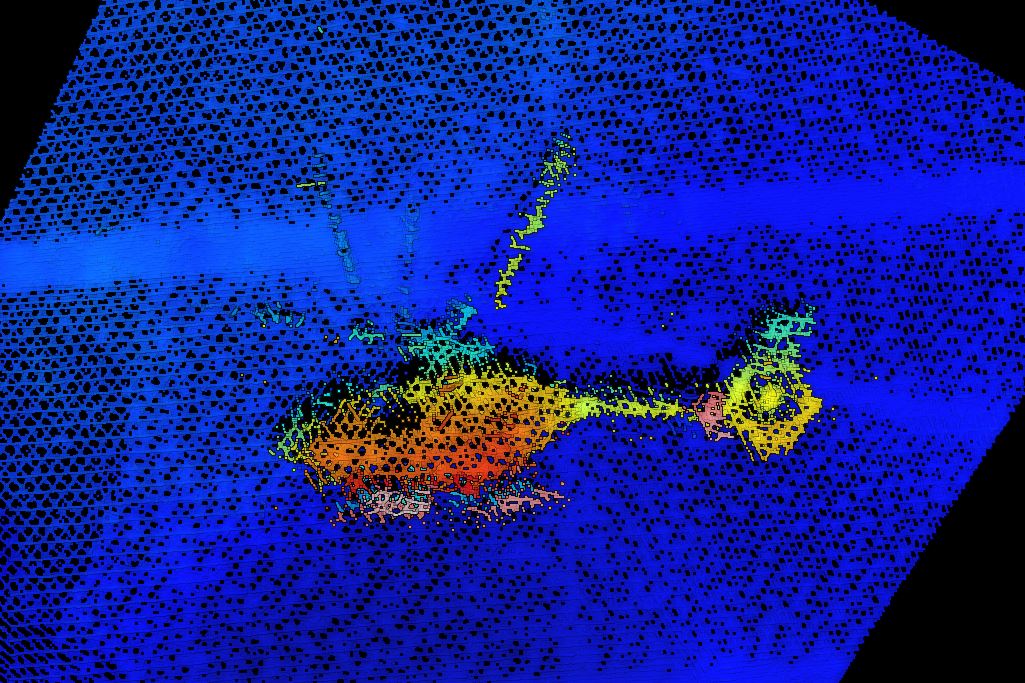
Hughes 300 Helicopter, VH-THM

In accordance with Section 19CB(2)* of the Air Navigation Act 1920, the Australian Transport Safety Bureau (ATSB) will not be attending the accident site of the fatal crash of the Hughes 300 helicopter, VH-THM, rather an office investigation will be carried out.

The rationale for this decision is as follows:

  • The Bureau's main focus is on the safety of fare-paying passengers.
  • Bureau resources are currently heavily committed to a number of high-profile occurrences involving fare-paying passengers including QF1, Whyalla Airlines flight 904 and the recent Beechcraft King Air, and the systemic investigation into fuel contamination.
  • The circumstances of this occurrence do not suggest that there will be any new safety lessons to be gained from a full ATSB investigation.

*Director's power to investigate accidents etc

19CB.(1) The Director may investigate:

(a) the circumstances surrounding any accident, serious incident or incident that occurs involving or affecting an aircraft in Australian territory; and

(b) any safety deficiency involving or affecting an aircraft that arises in Australian territory; and

(c) the circumstances surrounding any accident, serious incident or incident involving or affecting an Australian aircraft outside Australian territory; and

(d) any safety deficiency that arises involving or affecting an Australian aircraft outside Australian territory.

(2) Subsection (1) does not impose on the Director any duty to investigate a particular accident, serious incident, incident or safety deficiency.

(3) The Director is not subject to any liability whatever for failing to investigate a particular accident, serious incident, incident or safety deficiency.

ATSB Interim Factual Report into the Qantas Boeing 747 depressurisation occurrence, 475 km north-west of Manila, Philippines, 25 July 2008

The Australian Transport Safety Bureau has released an interim factual report on its investigation into the Qantas Boeing 747 depressurisation event that occurred 475 km north-west of Manila, Philippines on 25 July 2008.

The ATSB's preliminary report, released in August 2008, provided details on the circumstances of the accident, in which a passenger oxygen cylinder (the number 4 cylinder) failed and ruptured the aircraft's fuselage, while the aircraft was cruising at 29,000 ft on a scheduled passenger flight (QF30) from Hong Kong to Melbourne. As a result of the depressurisation, the flight crew diverted the aircraft to Ninoy Aquino International Airport, Manila, where an uneventful visual approach and landing was made.

There were no major injuries, although there were reports of ear pain and discomfort associated with the rapid depressurisation, including some faintness and light-headedness. There was also evidence that showed that a large portion of the failed oxygen cylinder had been propelled upward through the cabin floor, impacting with the R2 door and the overhead ceiling panels, before exiting the aircraft through the fuselage rupture.

The interim factual report released today contains information on the progress, and future direction, of the investigation. Analysis of the factual information and findings as to the factors that contributed to the accident are subject to ongoing work and will be included in the final report.

The investigation has determined that, despite the damage to the aircraft's passenger oxygen system caused by the oxygen cylinder failure, the system would have continued to operate for approximately 65 minutes following the depressurisation event. Passenger oxygen was only required for about 5 minutes during the period between the depressurisation event and when the aircraft reached an altitude of 10,000 ft.

Tests have revealed no evidence of an external explosive event or the use of explosive materials around the rupture area. The oxygen valve from the number 4 cylinder, which was the only item of physical evidence recovered from the cylinder, has also been closely examined, with no evidence to suggest that an oxygen-promoted fire or an overpressure event had contributed to the cylinder failure.

No significant maintenance difficulties had been experienced with the passenger oxygen system prior to the occurrence. Investigators visited the Qantas Sydney Jet Base oxygen workshop, where the servicing and replenishment of all Qantas oxygen cylinders is performed. The inspections did not identify any significant issues or deviations from documented practice that had the potential to affect the integrity of the cylinder-valve assemblies.

The ATSB obtained two samples of the gaseous oxygen that was used to fill the number 4 cylinder. These samples have been analysed and compared against the required specification for aviators breathing oxygen. No anomalies were identified that would have contributed to this event.

The remaining cylinders from QF30, together with five other cylinders from the same manufacturing batch lot as the number 4 cylinder are being physically examined for evidence of any deficiencies or deviations from the certified design. This will help further understand the cylinder failure event (because the number 4 cylinder was not recovered and is presumably lying on the bottom of the South China Sea).

Special computer modelling and analysis of the oxygen cylinder design will also provide an enhanced understanding of the cylinder shell stresses, and an assessment of the critical flaw size required to produce an uncontrolled cylinder failure.

Several cylinders from the number 4 batch have been destructively tested and the shell material mechanical and metallurgical properties established. The results are being used to establish the fundamental strength levels of the cylinder type, and whether or not the properties of the batch meet the certified design requirements. No major anomalies have been observed at this stage.

Hydraulic and pneumatic testing of several 'batch' cylinders is also planned. The pneumatic testing will provide further understanding of the mechanism and characteristics of a cylinder failure at elevated pressures. In addition to the pneumatic tests, both cyclic and static hydraulic pressure tests will be performed on select cylinders to establish their performance against the certified design requirements.

The investigation will also continue to examine the serviceability and functionality of the cabin oxygen apparatus and other cabin safety equipment, cabin crew actions, and passenger actions and problems. The cabin safety / survival factors investigation will employ the information gathered from the operating crew interviews and passenger surveys, to review the cabin crew procedures and determine whether any improvements or changes to those procedures would enhance safety.

The ATSB has received survey responses from approximately 47% of the aircraft passengers. Passengers who have received a survey, but have not yet responded are encouraged to do so. Replacement surveys are also available for those that may have misplaced or did not receive the original documents please provide an email or postal address to the ATSB (aviation.investigation@atsb.gov.au) or phone +61 26257 4150 (from overseas) or 1800 020 616 (within Australia).

Safety actions arising from the occurrence commenced on 27 July 2008 (2 days after the event), with the operator completing a fleet-wide program of detailed visual inspections of its Boeing 747 oxygen system installations. The operator has completed a preliminary internal review of the event, addressing the crew and passenger response, the emergency passenger oxygen system operation, supplementary passenger oxygen requirements, and the functionality of the depressurisation emergency announcement system operation. Some cabin crew procedural changes have also been implemented.

The ATSB has published two safety advisory notices recommending that operators and maintainers ensure all procedures and activities meet the appropriate requirements and are best practice. The ATSB has also published two Research and Analysis reports providing information for passengers and cabin crew in the event of an aircraft depressurisation.

The ATSB expects to release a final report into this accident towards the end of 2009. However, the ATSB will immediately bring any critical or significant safety issue(s)s to the attention of the relevant organisations best placed to address them, should any such issues arise. The ATSB will also publish details of any such issue(s).

Beech King Air accident, 80 NM SW Normanton Qld on 4 September 2000

The ATSB has a team of four investigators at the site of the Beech King Air accident near Normanton in Queensland. The team will be examining the aircraft and its systems. Based on initial information, pilot and passenger incapacitation will also be considered.

In June 1999 another Beech King Air was involved in an incident where the cabin pressurisation system did not operate and the pilot became temporarily incapacitated. Although the final report is yet to be released, the ATSB issued interim recommendations on 28 July and 7 October 1999 regarding:

a) the fitment of passenger oxygen mask container doors;

b) automatic deployment of passenger oxygen systems and automatic activation of cabin altitude alert systems; and

c) an audible warning to operate in conjunction with the cabin altitude alert system.

These and any other recommendations relating to this type of aircraft will be reviewed in the context of the investigation near Normanton.

The Investigator-In-Charge of the June 1999 investigation is a member of the team investigating the latest accident.

If any new information becomes available from the accident site the ATSB will conduct further media briefings. Details of these briefings will be posted on this website through media alerts.

Beech King Air accident, 80 NM SW Normanton Qld on 4 September 2000

At approx 1150 pm (Eastern Daylight Saving Time) on Monday 4 September, the ATSB was advised by Air Traffic Control that a Beech King Air on a flight from Perth to Leonora had climbed through it's assigned flight level and continued on a NE heading beyond Leonora. Attempts to contact the pilot by radio were unsuccessful. The aircraft with one pilot and 7 passengers had departed Perth at 6.16 pm (Perth Time). It remained airborne for about 5 hours. Wreckage was located 80 NM SW of Normanton in Queensland.

An initial team of four ATSB investigators is expected to arrive at the site later today.