Rising terrain accident

The collision with rising terrain of an FU24 Stallion aerial application aircraft highlights the importance of pre-flight planning of application runs to account for nearby terrain, an ATSB investigation notes.

The Pacific Aerospace FU24 Stallion, registered VH-EUO, was conducting aerial agricultural application operations from an airstrip 40 km north of Bathurst, New South Wales, to apply fertiliser and seed to grazing land.

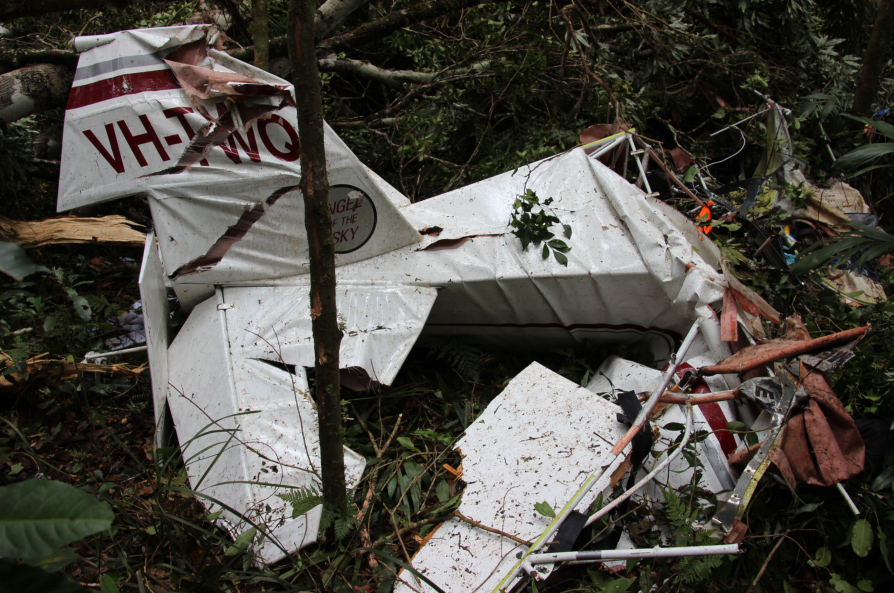
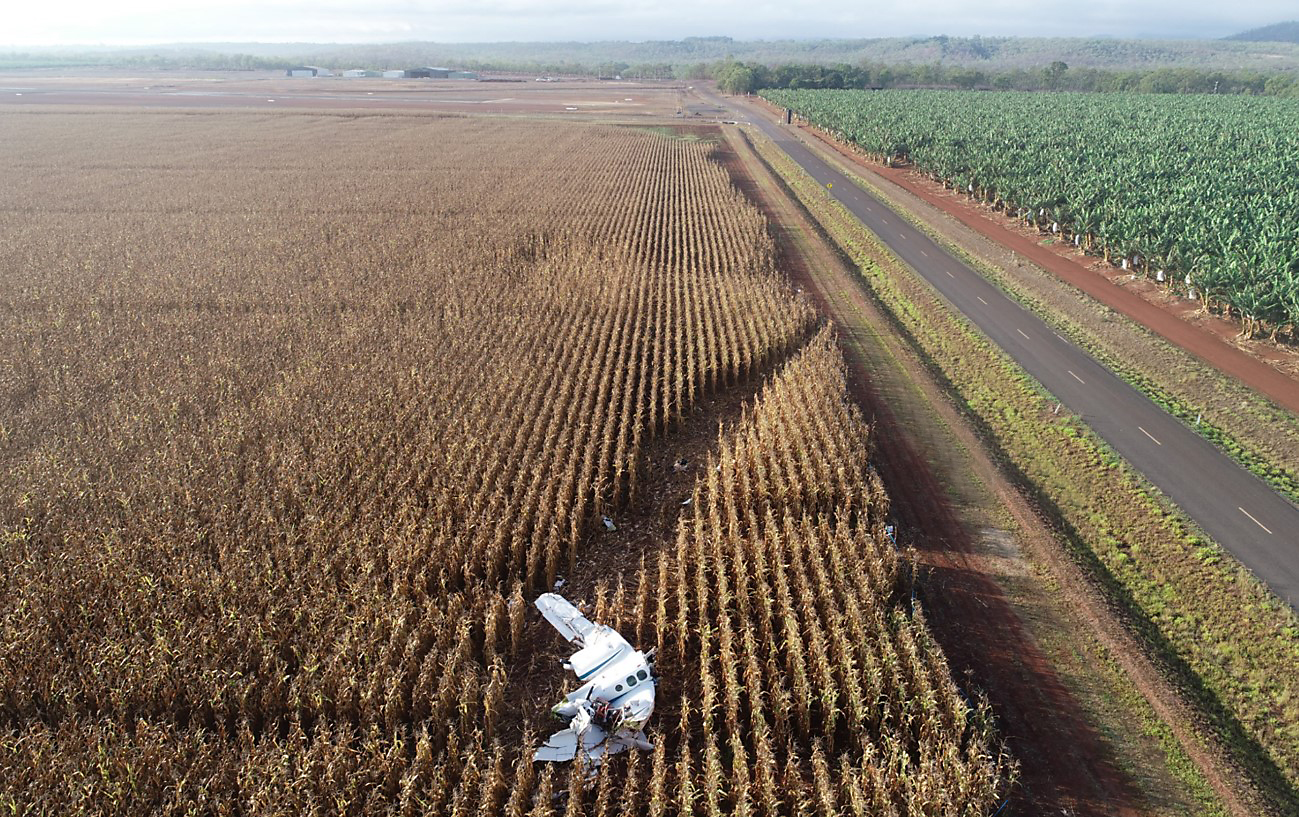
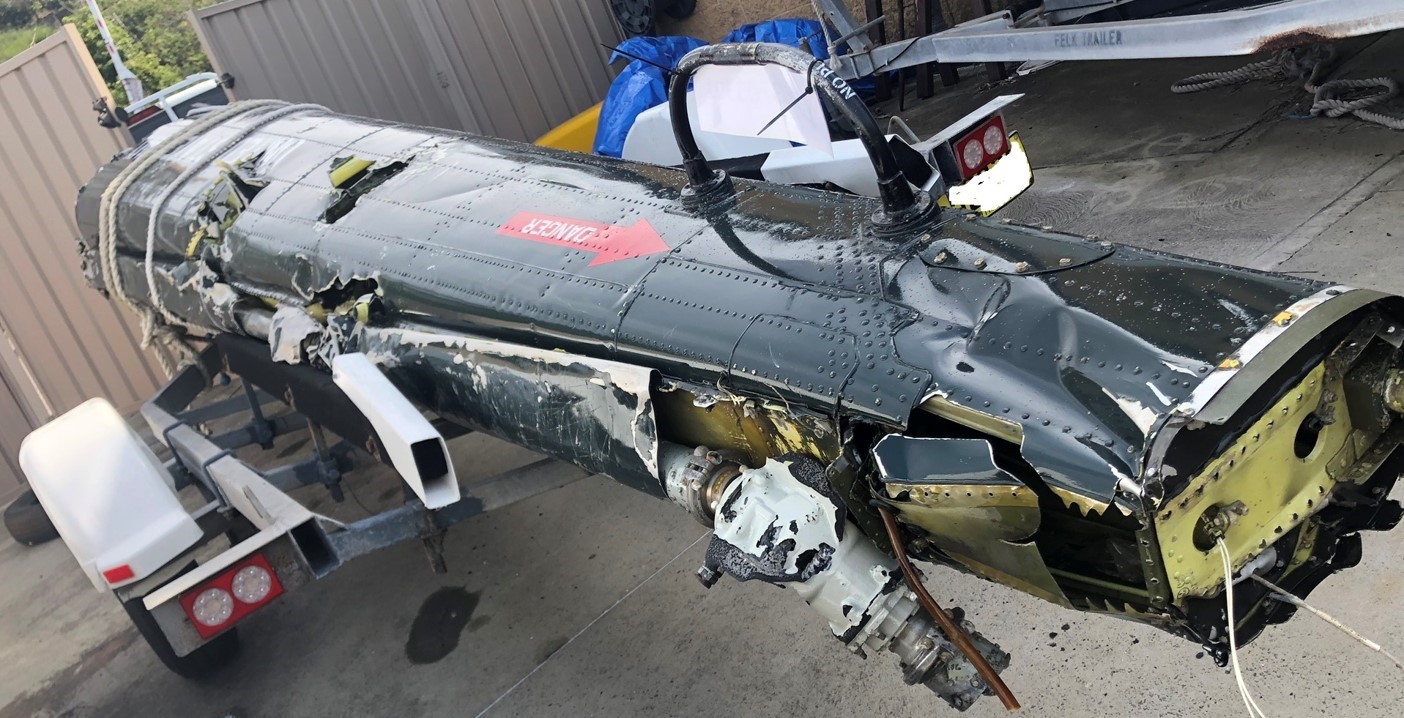
At about 2:05pm, the Stallion (a TPE331 turboprop conversion of the FU24 Fletcher) took off from the airstrip for the second flight of the second job of the day. When the aircraft did not return as expected, the loader raised the alarm and a search for the aircraft was launched. Early the next morning, the wreckage of the aircraft was found in dense scrubland to the east of the application area. The pilot had sustained fatal injuries as a result of the accident.

The ATSB investigation found that shortly after the end of the third application run, the aircraft was flown into an area of rising terrain that was outside the normal operating area for the job site. While repositioning the aircraft for the fourth application run, it was likely that the aircraft stalled at a low altitude, resulting in a low-speed, low-energy collision with wooded terrain part way up an approximately 28˚ slope rising to the north.

This accident highlights the importance of pre-flight planning of application runs to account for nearby terrain.

With no evidence of any defect with the aircraft that would have contributed to the loss of control, the investigation explored several possible factors that may have contributed to the loss of control, including birdstrike, pilot distraction and mishandling of a procedure turn. However, the ATSB investigation was unable to determine the reason for the loss of control, based on the available evidence.

“The ATSB is reminding operators and pilots of the dangers of aerial application near rising terrain,” ATSB Director Transport Safety Stuart Macleod said. “This accident highlights the importance of pre-flight planning of application runs to account for nearby terrain.”

An on-site visual inspection of the aircraft’s hopper identified that the hopper was approximately half full. The position of the hopper outlet control and dump control levers and the half-load in the hopper were indicative of the hopper’s contents not being dumped or applied in the lead-up to the collision with terrain.

“Although it could not be established that not dumping the hopper contributed to this accident, in an emergency, reducing the aircraft’s weight by dumping the hopper load will optimise an aircraft’s flight performance,” Mr Macleod said.

“As the Aerial Application Association of Australia (AAAA) pilot’s manual states, ‘The only safe rule is ‘if in doubt, dump’.”

Read the final report: Loss of control and collision with terrain involving FU24 Stallion, VH-EUO, 40 km north-east of Bathurst, New South Wales, on 16 June 2017

Low-level flying

R22 helicopter’s collision with terrain highlights the risks of low-level flying in hazardous weather conditions.

A Robinson R22 helicopter collided with terrain when it likely encountered a downdraft with insufficient height to recover while unnecessarily flying at low level through the Northern Territory’s MacDonnell Ranges, an ATSB investigation has found.

The R22 had departed a cattle station’s homestead’s helipad to inspect bore sites and then assist with the recovery of a vehicle at Quartz Hill. After completing a bore inspection, the helicopter took-off and was levelled off at 150 feet above ground level, which was below the peaks of the surrounding terrain as it tracked into the MacDonnell Ranges to continue towards Quartz Hill.

Shortly after entering the MacDonnell Ranges, the R22 collided with the ground on a downslope, about 125 kilometres east of Alice Springs. The helicopter’s last recorded data point indicated it was at about 142 feet above ground level with an estimated ground speed of about 79 knots. The pilot sustained fatal injuries and the passenger was seriously injured.

Even if a pilot has been trained and approved to conduct low-level operations it should be avoided when there is no operational need to do so.

ATSB analysis of the helicopter’s GPS data and other available evidence suggested the pilot was likely operating the helicopter at low level and possibly contour flying. For the prevailing winds, the helicopter’s final track placed it on the lee side of higher ground. Bureau of Meteorology anaylsis indicated that broadscale moderate turbulence was especially likely at the time of the accident in the lee of the ranges and as a result of stronger upper winds mixing with lower winds.

ATSB Director Transport Safety Dr Godley said the investigation determined it was very likely the pilot was operating at low-level when the helicopter encountered a downdraft with insufficient height to recover, leading to the collision with terrain.

“When flying at low altitude there is a lower margin for error for obstacle avoidance. Even if a pilot has been trained and approved to conduct low-level operations it should be avoided when there is no operational need to do so,” Dr Godley said.

The investigation also found a number of other factors that increased risk, including incomplete pre-flight planning, overloading, a forward centre-of-gravity, and the pilot’s elevated blood alcohol level.

“Examination of the pilot’s iPad and iPhone found it was unlikely that flight planning data, such as meteorological information, had been accessed in the lead-up to the flight,” Dr Godley said.

“Thorough pre-flight planning is essential for avoiding hazardous weather conditions. It is not only important to obtain the relevant weather information to develop a mental picture of the conditions that may be encountered, but also to assess and understand how it relates to the planned flight.”

The investigation report also notes that it was very likely that the helicopter was overweight on departure and its centre-of-gravity was beyond the forward limit for the entire flight.

“Weight and balance have the potential to influence aircraft handling characteristics, and so it is critical that the loading remains within the prescribed operating limits for the entire flight,” Dr Godley said. “Otherwise, as the safety margin steadily erodes, even an experienced pilot may not be able to recover from a rapidly developing unsafe condition.”

The report also notes that alcohol was also present in the pilot’s blood at a level capable of impairing performance. However, evidence of previous low flying suggested the pilot’s actions may have been normal behaviour and not influenced by alcohol. Therefore, the investigation could not conclude that the pilot’s elevated level of alcohol contributed to the accident, but considered that it increased the likelihood of risk-taking behaviour and mishandling the helicopter in an emergency. 

“This accident is an important reminder that blood alcohol can persist the day after significant alcohol consumption, and the residual effects of alcohol may impair performance, especially in demanding situations,” Dr Godley said.

Read the final report: Weather event and collision with terrain involving Robinson R22, VH-KZV, 125 km east-north-east of Alice Springs Airport, Northern Territory, on 24 November 2018

ITSA chair reappointment

ATSB Chief Commissioner reappointed chair of the International Transportation Safety Association.

The Australian Transport Safety Bureau’s Chief Commissioner, Greg Hood, has been reappointed as the chair of the International Transportation Safety Association (ITSA) for a second 12-month term.

The unprecedented reappointment was confirmed during a virtual meeting of ITSA members on Monday evening (Australian time) on what would have been the opening day of the ITSA 2020 forum, to have been hosted by the ATSB in Sydney on May 4-5. This year’s forum was deferred earlier in the year due to the international travel restrictions and social distancing requirements made necessary in response to the COVID-19 pandemic.

“ITSA is an international network of heads of agencies of independent transport safety investigation authorities from 17 nations, covering aviation, marine, rail and road transport, as well as pipelines and underground infrastructure,” Mr Hood explained.

This is a great responsibility at a time when the world is navigating the COVID-19 pandemic, and when safe and efficient transport networks are needed like never before.

“I feel privileged to have been re-elected chair of ITSA for a second term. This is a great responsibility at a time when the world is navigating the COVID-19 pandemic, and when safe and efficient transport networks are needed like never before.”

Mr Hood said the ITSA 2020 forum in Sydney would have been a valuable platform for sharing safety information and pursuing best practices in independent “no blame” transport safety investigations.

“During our virtual meeting members agreed to the desirability of rescheduling the deferred ITSA 2020 forum to a yet-to-be determined date in Sydney next year so that information sharing can be continued, should that be safe and plausible to do so,” Mr Hood said.

“The mission of ITSA is to improve transport safety in each member country by learning from the experiences of others,” said Mr Hood.

“It is our hope that that mission can be furthered with our next forum in Sydney some time in 2021.”

Main rotor blade crack

Cracked rotor blade highlights importance of vigilant pre-flight inspections.

A large crack across the width of a Robinson Helicopter Company R22 helicopter’s main rotor blade demonstrates that unexpected fatigue cracking can occur on critical flight components, and serves as a reminder to pilots and maintainers of the importance of vigilance during pre-flight and daily inspections, an ATSB investigation notes.

The R22 Beta helicopter, registered VH-HPH, was conducting mustering at Labelle Downs Station in the Northern Territory on 16 December 2016 when the pilot noted the onset of vibrations. In response, the pilot successfully conducted a precautionary landing and shut down the helicopter. A subsequent ground inspection revealed a significant crack had progressed almost entirely through the cross-section of a main rotor blade.

“Technical analysis of the main rotor blade at the ATSB’s facilities in Canberra identified that a significant fatigue crack had propagated almost entirely through the blade chord,” said ATSB Director Transport Safety Stuart Macleod. “This led to instability and vibrations of the aerofoil structure during the occurrence flight.”

If main rotor vibration rapidly increases or becomes severe during flight, make an immediate precautionary landing.

The analysis identified that the fatigue crack initiated at the trailing edge bond line and propagated through both the upper and lower blade skins until terminating at the leading edge D-spar.

The ATSB’s investigation was unable to determine conclusively which factors – either individually or in combination – contributed to the crack initiation, but said it was possible a number of variables influenced the initiation of the blade cracking, including the component’s design, manufacture and operation.

“This incident reinforces to helicopter pilots, operators and maintainers that they should be particularly vigilant during the daily or pre-flight inspections,” Mr Macleod said. “Inspections represent important opportunities to detect cracking that may not be obvious. Any form of damage such as paint blistering, denting and corrosion to the main rotor blade surfaces is cause for further investigation.”

Following the occurrence, Robinson issued a safety alert to all R22 operators detailing the crack location and recommended particular attention from pilots and maintainers when visually examining the trailing edges of blades during the daily or pre-flight inspection.

“Robinson warns that if main rotor vibration rapidly increases or becomes severe during flight, make an immediate precautionary landing,” Mr Macleod said. “Do not attempt to continue flight to a convenient destination.”

Mr Macleod noted that during the incident flight, the pilot’s action to land the helicopter prevented further deterioration of the main rotor blade surface and removed the potential for an in-flight blade separation and subsequent loss of control.

Robinson subsequently implemented a minor design change to the A016-6 blade design, extending the length of the trailing edge metal doubler to eliminate potential stress gradients. The revised blade entered production in February 2017.

Separately, the Civil Aviation Safety Authority issued an Airworthiness Bulletin to alert all R22 operators and maintainers to the occurrence, and to provide advice on how to avoid future occurrences.

Read the final report: Main rotor blade crack and precautionary landing involving Robinson R22 Beta, VH-HPH, 12 km south-west of Labelle Downs Station, Northern Territory, on 16 December 2016

Aviation Occurrence Statistics

ATSB releases Aviation Occurrence Statistics from 2010 to 2019.

The Australian Transport Safety Bureau has released its latest Aviation Occurrence Statistics report, covering the 10-year period from 2010 to 2019.

“Each year, thousands of safety occurrences involving Australian aircraft and foreign‑registered aircraft operating in Australia are reported to the ATSB,” said Dr Stuart Godley, ATSB Director Transport Safety.

“This report is part of a series that aims to provide information and statistical data to the aviation industry, manufacturers and policy makers, as well as to the travelling and general public, about these aviation safety occurrences. In particular, the data can be used to determine what can be learned to improve transport safety in the aviation sector.”

This latest Aviation Occurrence Statistics report notes that there have been no fatalities in scheduled commercial air transport in Australia since 2005, while that over the 10-year 2010-2019 period, the number of general aviation fatalities and fatal accidents decreased, and the number of fatalities and fatal accidents within the recreation aviation sector remained relatively constant.

The study uses information over the 10-year period from 2010–2019 to provide an insight into current and possible future trends in aviation safety.

The study uses information over the 10-year period from 2010–2019 to provide an insight into current and possible future trends in aviation safety, Dr Godley explained.

“For example, since 2016, remotely piloted aircraft have surpassed helicopters to become the second most common aircraft type involved in an accident. Further, the number of manned aircraft experiencing near encounters with an RPA also increased significantly over the study period.”

Dr Godley also noted that for the first time, statistics in this report have been organised around the type of aircraft activity being conducted, rather than the operational regulation.

“An activity type reflects the activity the aircraft was engaged in, while an operation type reflects the legal regulation that the aircraft was flown under,” he said.

“For instance, all ferry flights are now recorded under the same activity irrespective of whether the ferry flight was a positioning flight for a commercial air transport passenger flight or an aerial work flight.”

The report incorporates interactive web versions of all tables and graphs to allow the user to display aviation occurrence data in the format of their choice.

Read the report AR-2020-014: Aviation Occurrence Statistics 2010 to 2019

Mid-air collision

Mid-air collision preliminary report released. 

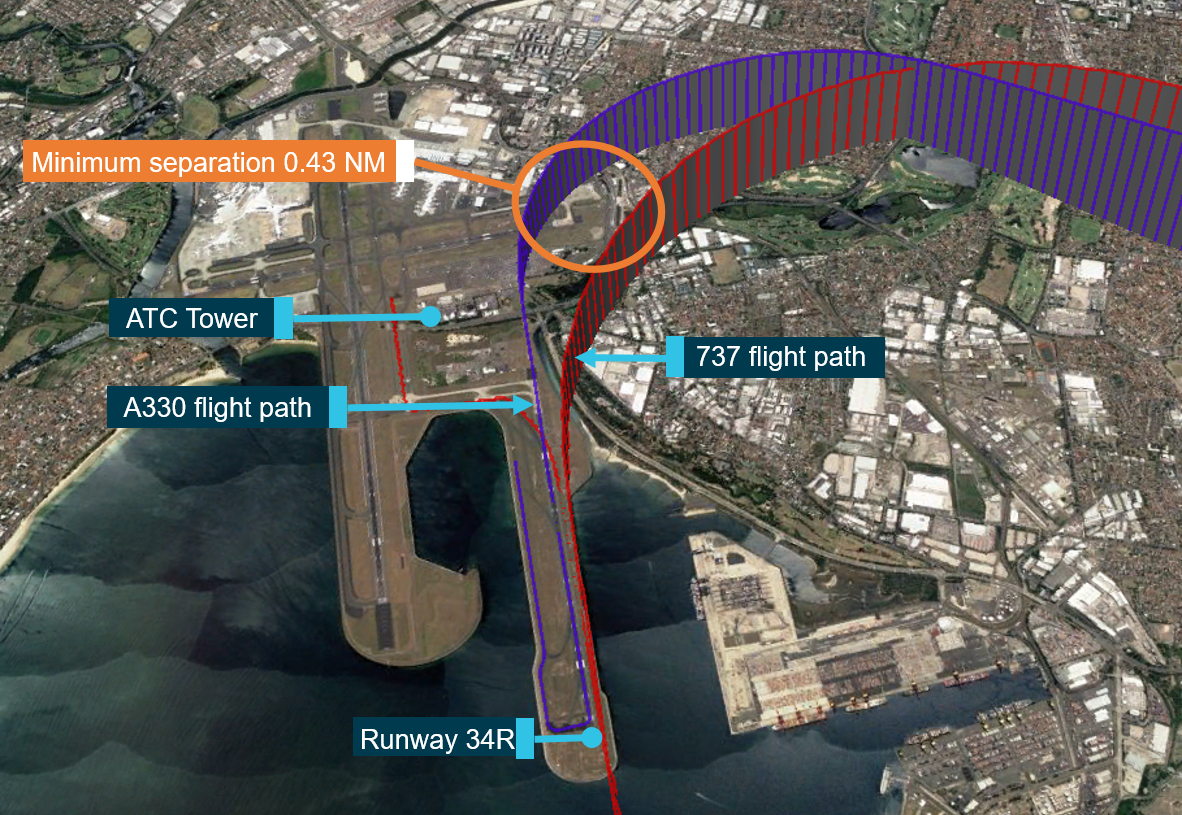
The Australian Transport Safety Bureau has released the preliminary report from its ongoing investigation into the mid-air collision involving a Piper Seminole and a Beech Travel Air aircraft south of Mangalore Airport in Victoria on 19 February 2020.

The preliminary report details basic factual information established in the investigation’s early evidence collection phase, and outlines the collision’s sequence of events using a number of sources including ADS-B transponder data and information from an iPad with an electronic flight bag app installed. The report also outlines weather information at the time and notes that there was no recording of the Common Traffic Advisory Frequency (CTAF) frequency.

The Travel Air aircraft, registration VH-AEM, had departed Tyabb Airport for a return Instrument Flight Rules (IFR) training flight to Shepparton via Mangalore with an instructor and student pilot on board at 10:55 am. Meanwhile the Seminole, registration VH-JQF, advised Air Traffic Control (ATC) at 11:11 am they were taxiing for departure from Mangalore for a round-trip IFR flight via Essendon and Shepparton. An authorising testing officer and pilot were on board.

Six minutes later, the Travel Air began its descent from 6,000 ft for airwork at Mangalore between 4,000 ft and ground level. ATC advised the Travel Air of the departing Seminole from Mangalore. The Seminole then made a departure call, advising ATC of a planned climb to 7,000 ft. ATC passed details of the Travel Air’s intended airwork to the Seminole.

The two aircraft collided at 11:24 am approximately 8 km south of Mangalore Airport at an altitude of about 4,100 ft. The Seminole travelled for about half a kilometre to the east before impacting an open field, while the Travel Air  continued north and impacted a lightly wooded area 1.4 km from the collision point. Debris was found in area ranging from 1.6 km to the north-north-east and about 200m to the west of the Hume Highway. The two pilots on board each aircraft were fatally injured.

Examination of the recovered radios, weather conditions at the time of the accident, as well as recorded area frequency calls and recollections of CTAF radio broadcasts will be the focus as the investigation moves forward.

ATSB Chief Commissioner Greg Hood noted preliminary reports do not contain findings, identify contributing factors or outline safety issues and actions, which will be detailed in an investigation’s final and any interim reports.

“Examination of the recovered radios, weather conditions at the time of the accident, as well as recorded area frequency calls and recollections of CTAF radio broadcasts will be a focus as the investigation moves forward,” Mr Hood said. 

“Other areas for investigation include air traffic services actions, procedures and practices, traffic density in and around Mangalore Airport and classification of its airspace, and Class G* and CTAF operational and communication processes and procedures at the airport. Visibility from both aircraft will also be examined.”

A final report is expected to be completed next year.

“However, should a critical safety issue be identified during the course of the investigation, the ATSB will immediately notify relevant parties so appropriate safety action can be taken,” Mr Hood said.

* In class G airspace, air traffic controllers provide traffic information to IFR aircraft about other conflicting IFR and observed VFR flights, but do not provide separation services.

Read the preliminary report: Mid-air collision involving Piper PA-44-180 Seminole, VH-JQF and Beech D95A Travel Air, VH-AEM, 8 km south of Mangalore Airport, Victoria, on 19 February 2020

Winching safety notice

Important safety notice issued to helicopter winching operators.

Improper stowage of helicopter winch hook assemblies can lead to excessive movement and accelerated wear of the cable, which if undetected, can lead to catastrophic failure of the winch cable, an Australian Transport Safety Bureau (ATSB) Safety Advisory Notice advises.

The Safety Advisory Notice comes after an incident involving an Airbus Helicopters AS350 B3 helicopter on 5 February 2020 near Bulga, New South Wales. While conducting winching operations of personnel and equipment during the recent bushfires, the helicopter crewman detected the outer strands of the hoist cable toward its termination into the hook assembly had loosened. Such loosening is known to occur during repeated short length winch deployment and retrieval cycles.

The crewman attempted to reset the cable strands using an accepted maintenance practise known as cable conditioning, however the following day the cable strands had not reset and remained loose, which prompted a second cable conditioning operation. During that operation, and while under load, the cable fractured at the hook assembly, releasing the dummy weight to the ground. There was no damage to the helicopter or injuries to personnel.

As part of an ATSB investigation into the incident, an examination of the helicopter’s winch system found that the cable failed near to the swaged ball-end that terminated into the hook assembly. The ATSB identified that the wear associated with the cable failure probably occurred due to improper stowage of the hook assembly following hoisting operations.

“A hook that is not firmly seated or with the bump stop spring not sufficiently compressed can move during exposure to airframe vibrations and rotor downwash buffeting during normal helicopter operations, which can lead to accelerated wear of the hoist cable close to the ball-end fitting where it enters the hook assembly” ATSB Director, Transport Safety, Stuart Macleod said.

“Should the cable fail while under load during operation, personnel being winched may sustain serious or fatal injuries.”

The ATSB is advising all helicopter operators and flight crew involved in rescue hoist operations to review their current operational practices to ensure hoist operation and hook stowage are in accordance with the hoist manufacturers’ published procedures.

“In addition, the ATSB advises those operators, flight crew, and maintainers, to closely review the pre- and post-flight inspection requirements of the hook and cable assembly, along with any recurring scheduled maintenance of the hoist system to ensure that they are completed in accordance with the manufacturers’ instructions,” Mr Macleod said.

In response to the failure, on 6 April 2020 winch system manufacture Breeze-Eastern published a Service Information Letter to operators, hoist maintainers and personnel working on the BL-29700 series rescue hoist. The letter reinforced the requirement for proper homing of the hook assembly following operation of the hoist, the importance of pre- and post-flight inspections of the hook assembly, and the recommended maintenance practises for the hoist system.

The Service Information Letter can be accessed from Breeze-Eastern’s website.

The Civil Aviation Safety Authority has also issued an Airworthiness Bulletin (AWB-25-034(Opens in a new tab/window)) warning of accelerated winch cable wear.

The ATSB’s investigation into the rescue hoist cable failure (AO-2020-013) is continuing.

Read the Safety Advisory Notice: Rescue hoist cable failure

Fuel drum contamination

The origin of a white, rubbery contaminant discovered in Jet A1 fuel drums was determined to be sealant.

The origin of a white, rubbery contaminant discovered in Jet A1 fuel drums was determined to be sealant used on drum lids and bases, an ATSB investigation has found.

In September of 2016, the ATSB received a report from a helicopter operator in Cloncurry, Queensland, that while inspecting one of several recently arrived drums, a pilot had discovered white particles floating in the Jet A1 fuel. The same material, described as small pieces of white debris that tended to settle at the base of the drum, was subsequently found in all seven of the drums that were opened and inspected.

The same operator would subsequently report further instances of fuel drum contaminants, from a second location in Queensland and two remote sites in Western Australia on separate occasions in 2016, 2017 and 2019.  

The operator advised that the contaminated drums had been filled by different refuelling companies but all had been manufactured the same company, VIP Packaging. Batch numbers and manufacturing dates on the drums across the incidents did not show any correlation.

There are a number of ways to minimize the likelihood of using contaminated fuel.

The ATSB determined that the contaminant was a sealant used by the drum manufacturer on the lid and base of the drums. The sealant’s mechanical properties were found to degrade when exposed to Jet A1 fuel. This, in combination with vibration and drum deformation during transport to remote locations over rough roads, likely resulted in pieces of sealant entering the fuel within the drum.

“Fuel sourced from drum stock is particularly susceptible to contamination. However, there are a number of ways to minimise the likelihood of using contaminated fuel,” ATSB Director Transport Safety Stuart Macleod said.

“These include applying appropriate drum handling and storage methods; visually inspecting drums for contaminants prior to refuelling activities; regularly inspecting fuel pump filters; and conducting fuel drains from the aircraft after each refuel for visual inspection.”

Mr Macleod noted that the investigation established that no contaminants were found in any aircraft exposed to the fuel.

“Filtration during the refuelling process appears to be effective in preventing these contaminants from reaching the aircraft and there was no evidence that the sealant dissolved in the fuel.”

The report notes it is possible that the sealant may break down into small enough pieces to pass through a fuel transfer pump’s micronic pre-filter and reach the aircraft’s fuel tank, and from there pass through the aircraft’s fuel filtration system and enter the engine.

“However, if that was to occur, the particles would be in minor quantities and too small to affect engine operation,” Mr Macleod said.

“As long as fuel is filtered as required under the regulations, and in accordance with best practice, harmful contaminants should not be able to reach the aircraft.”

Read the final report: Fuel drum contamination, near Cloncurry Aerodrome, Queensland, on 7 September 2016

New safety measures

New safety measures instituted after track worker fatality.

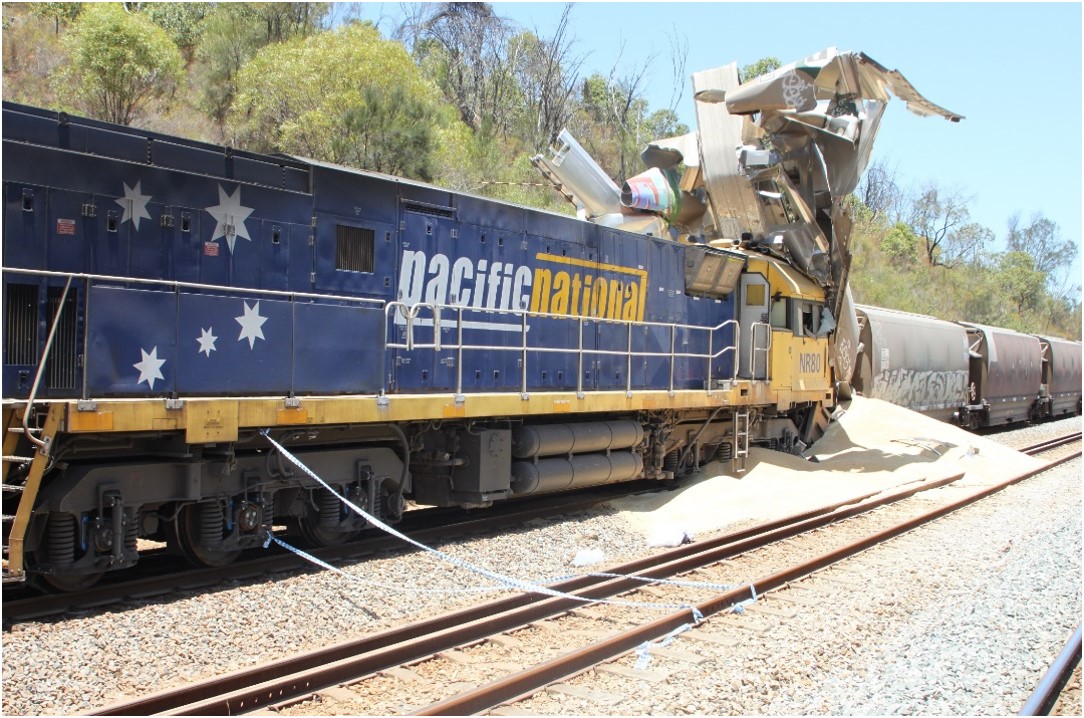
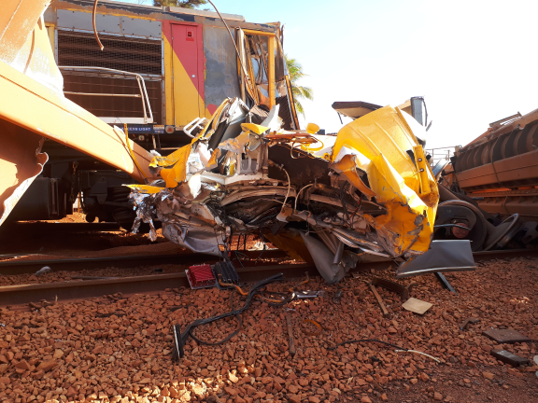
A signal maintenance mechanic working on crossover points at Clyde rail yard, western Sydney, entered the danger zone before being struck by a passenger train and sustaining fatal injuries in the early morning of 18 June 2016.

A transport safety investigation into the accident, conducted on behalf of the Australian Transport Safety Bureau by NSW’s Office of Transport Safety Investigation (OTSI), determined that two signal maintenance team workers (a mechanic and an electrician) had assumed their worksite was within the protective limits of a Track Occupancy Authority (TOA) established for a civil maintenance team tasked to replace sleepers under the crossover at 64 points.

However, the protective limits of the TOA extended only to defined clearance points on either side of 64 points and did not include the 63B points, on the Up main line, where the signal maintenance team entered the danger zone.

The accident highlights the importance of planning and integrating safety across the entire scope of work.

“The investigation found that Sydney Train’s work-planning process, involving multiple work groups, did not assure the consideration of worksite safety for all tasks undertaken by each party over the duration of the work and when returning the rail infrastructure into service,” said OTSI Deputy Chief Executive Officer Kevin Kitchen.

The civil maintenance team’s Protection Officer (PO) was aware of the signal team’s work tasks but did not consider these in his worksite protection arrangements. The PO had not been briefed on the scope of the signal team’s work, and so did not provide protection at 63 points.

The investigation also identified that the network communications by various parties in Sydney Trains were not in accordance with the principles underpinning the network rules.

“This accident highlights the importance of planning and integrating safety across the entire scope of work,” said Mr Kitchen. “It also highlights the importance of briefing all workers, and of all workers seeking a safety briefing about the worksite protection plans before work commences and when circumstances change.”

Following the accident, Sydney Trains implemented a number of safety actions and delivered on safety commitments. These included requiring proposed worksite protection plans be reviewed and validated by Sydney Trains’ Corridor Safety Centre; appointing additional rail safety coaches and mentors, with a required coaching session for all Protection Officers at least once per year; and requiring Protection Officers implement a form of worksite protection at least once every quarter to remain eligible to be re-certified as a Protection Officer.

Additionally, Sydney Trains established a Post-Incident Assurance Group to respond to the accident. This Group established key focus areas to promote the safety of workers and avoid future incidents. These areas included worksite protection, culture, planning for maintenance work, and safety-critical communications.

The Group later established the Safety Focus Program, whose initiatives include safety focus sessions, a safety culture program, improvements to protection officer selection and training, a signal key switch project, safety-critical communication enterprise-wide program, and a maintenance access planning project.

Read the final report: Track worker fatally injured when struck by train W510, Clyde, New South Wales, on 18 June 2016

Remembering Senja Robey

Paying tribute to the extraordinary contributions to aviation by Senja Robey.

The Australian Transport Safety Bureau (ATSB) recognises and pays tribute to the extraordinary contribution made to aviation by Senja Robey, who passed away on 14 April at home, aged 93.

Senja was an Australian aviation icon, professional pilot, and extraordinary instructor, who in November 2017 was inducted into the Australian Aviation Hall of Fame.

“On behalf of the ATSB, I would like to extend my sincere condolences to Senja’s family, her friends and the wider aviation community who are mourning her passing,” ATSB Chief Commissioner Greg Hood said. “I have known Senja for several years having been introduced to her through the Australian Women Pilots Association - she exuded an aura of yesteryear – of having been there and done that before many of us were born, but with modesty and humility.”

Senja, influenced to fly by her father, a physics teacher and who started the Air Training Corps Flight at  Sydney Technical High, began her flying training at the Royal Aero Club of NSW in March 1949. Having flown solo within a month of commencing her training, Senja obtained her private pilot licence six months later.

One of a handful of original members of the Australian Women Pilots’ Association (AWPA), Senja worked at the then de Havilland Aircraft Company in Sydney, where she studied part-time to gain her Commercial Pilot Licence in 1953. Obtaining her flight instructor rating nine years later, Senja became an instructor at the Illawarra Flying School located at Bankstown Airport, where her husband, Keith, was the Chief Flying Instructor.

At the time, the Illawarra Flying School was one of the largest commercial schools in Australia. By 1969, Senja had accrued around 3,500 hours of instructing, with some of her students going on to become airline captains.

Rising to National President of AWPA in the 1970s, Senja assisted fellow aviator Deborah Wardley to challenge Ansett Airlines for her right to become an airline pilot. The Wardley case opened the door for other women pilots in Australia.

“Senja was renowned for her ability to fly with extraordinary accuracy and steadiness,” Chief Commissioner Hood said. “She held endorsements on approximately 60 aircraft types, both single-engine and multi-engine, ranging from the Tiger Moth to Aero Commanders and Aerostars. Senja Robey was a remarkable aviatrix whose life, achievements and almost 14,000 flight hours needs to be remembered, savoured and celebrated.”

In a career spanning more than 60 years, Senja was awarded the Order of the British Empire Medal (BEM) for her contribution to aviation in 1976. Giving a lifetime of service to aviation, Senja will be remembered throughout the industry for her high level of professionalism and unstinting generosity in providing practical guidance to less experienced and potential aviators.