UH-1H helicopter main drive shaft failure

Safety Advisory Notice

Loss of drive to the main rotor system

What happened

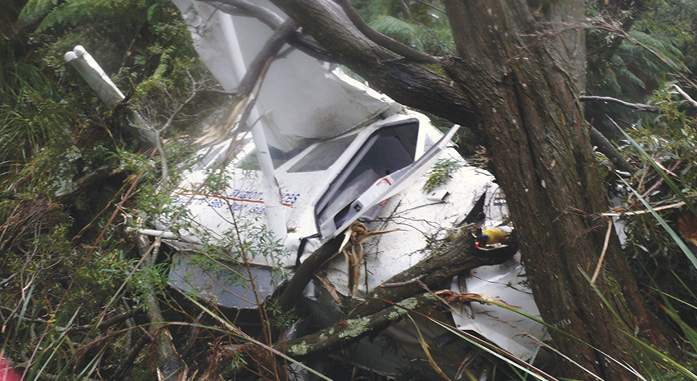
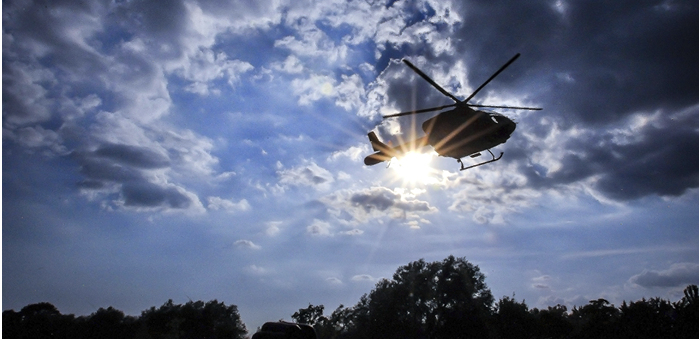
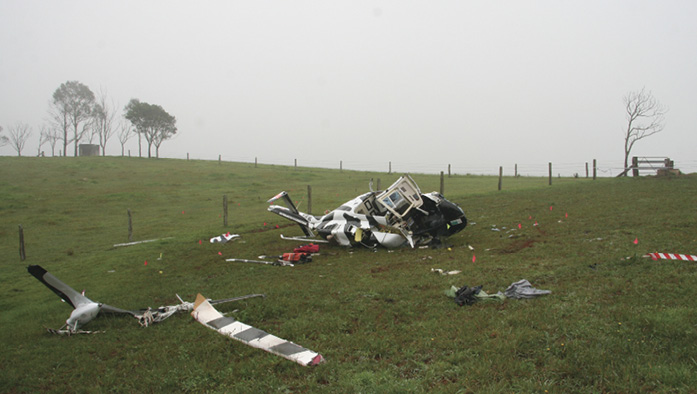
On 14 February 2022, the pilot of a Garlick Helicopters UH-1H was providing aerial firefighting support to combat the ‘Labrina’ bushfire that had developed north of Launceston, Tasmania. That afternoon, the pilot was tasked to firebomb a localised hot-spot that had developed within the fireground. Witnesses both on the ground, and within a nearby helicopter, observed the early release of the water load from the underslung bucket, before the UH-1H commenced a left turn and descended toward nearby open terrain. The helicopter was then observed to slow and enter a hover, then rapidly yaw, before descending and impacting terrain. The pilot was fatally injured, and the helicopter was destroyed.

Why did it happen

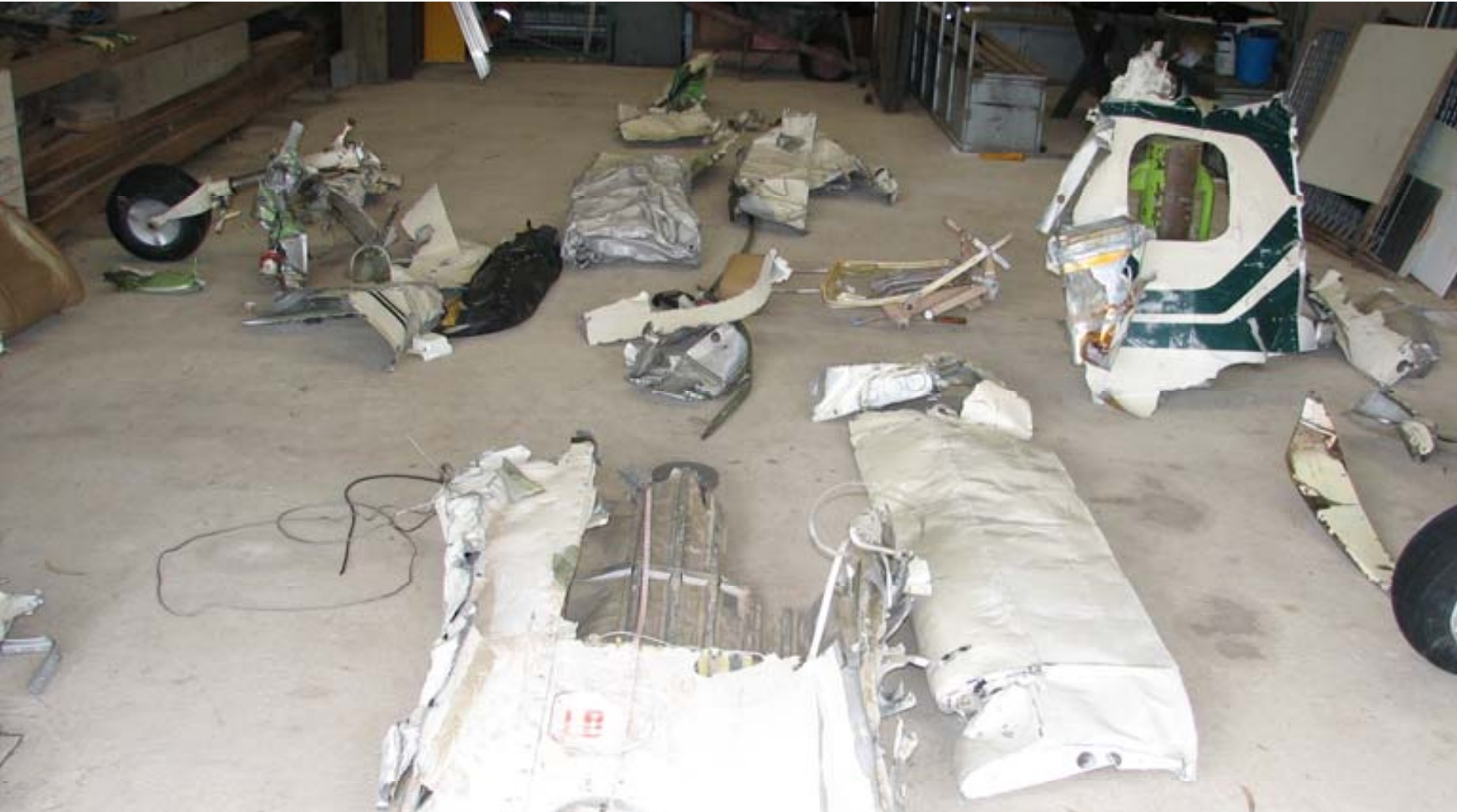
The ATSB’s on-site examination of the wreckage found anomalies with the helicopter’s main drive shaft, identified as a KAflex and manufactured in the United States by Kamatics Corporation (Kamatics), that transmits engine power to the transmission. The shaft was found to have fragmented during the accident sequence, with 4 of the flex-frame attaching hardware (nuts, bolts, and their washers) and portions of the flexible frame elements unable to be accounted at the accident site. The ATSB subsequently commenced a detailed technical examination of the KAflex shaft assembly and importantly, severe frictional and wear damage was identified to have occurred to one portion of the shaft. The results of that work was presented to Kamatics and the Civil Aviation Safety Authority (CASA).

While the ATSB’s investigation of this accident and further technical examination of the KAflex shaft remain ongoing, the manufacturer advised that the presence of the frictional damage was evidence that the shaft had entered fail-safe mode during operation. The frictional damage was consistent with other KAflex shafts that had entered fail-safe mode following the release of flex-frame attaching hardware, or, when one of the flexible frame elements had fractured during operation.

Kamatics further advised that, although the fail-safe feature is intended to allow for uninterrupted drive for up to 30 minutes of helicopter operation, if a flex-frame attachment bolt were to release, the time before complete shaft failure may be significantly reduced. Reports from other UH-1H accidents involving a partial KAflex shaft failure identified that the off-centre operation and corresponding imbalance can produce sudden loud noises, vibrations, and control difficulties for the pilot.

Kamatics also stated that, while the United States Federal Aviation Administration airworthiness directive AD 2021‑26‑16 became effective on 25 February 2022 for the inspection and potential replacement of KAflex shafts installed in UH-1H helicopters, some concern remains for shafts identifed in the serial number ranged 0635 and below. The manufacturer is uncertain of the configuration status of this serial number range, whereby these shafts may be fitted with legacy flex-frame attachment hardware that can exhibit signs of deterioration, increasing the potential for shaft failure.

While the specific circumstances of this accident are still under investigation, the ATSB has issued the following safety advisory notice to advise UH-1H operators and maintainers of the potential safety concern.

Safety advisory notice

AO-2022-006-SAN-001 (339.48 KB)
: KAflex main drive shaft failure

The ATSB advises operators of UH-1H helicopters to note the preliminary details of this accident, the content of AD 2021‑26‑16 and CASA Airworthiness Bulletin AWB 63-004, and to look for the presence of:

  • corrosion
  • fretting
  • frame cracking
  • missing or damaged flex-frame attaching hardware

during all inspections of the KAflex drive shaft. Any identified defects should be notified to the Civil Aviation Safety Authority and the ATSB.

Additionally, operators should be aware of Kamatics concern of a certain serial number range of shafts for the UH‑1H helicopter that may be fitted with legacy flex-frame attachment hardware. Kamatics (chris.prain@kaman.com) should be contacted if a shaft in the affected serial number range (0635 and below) is identified.

san-ao-2022-006-image.jpg

Fragmented KAflex from the accident helicopter, source ATSB

Read more about this ATSB investigation: Drive shaft failure and loss of control involving Garlick Helicopters UH-1H, VH-UHX, 36 km north of Launceston, Tasmania, on 14 February 2022

Publication details

Investigation number AO-2022-006
Publication type Safety Advisory Notice
Publication mode Aviation
Publication date 15/06/2022

Unknown functions in locomotive braking systems

Office of Transport Safety of Investigation

Safety Advisory Notice

To Rollingstock Operators Number: 
RO-2020-022-SAN-002

Unknown functions in locomotive braking systems

An ongoing investigation, conducted by NSW’s Office of Transport Safety Investigations on behalf of the Australian Transport Safety Bureau, highlights risks associated with misunderstood functionality of locomotive braking systems. Locomotive drivers require a clear understanding of the braking systems on all the locomotives they are operating.

What happened

On 15 December 2020 a loaded grain train derailed whilst descending the 1 in 30 grade rail line between Robertson and Unanderra, NSW.

Runaway locomotives (Source: ATSB)

Runaway locomotives (Source: ATSB) 

Why did it happen

During the descent, the train driver lost control of the train. As the train continued to increase speed, the driver did not apply the emergency brake, believing an emergency application of the air brake would disengage the dynamic brake.

The ATSB identified that the locomotives involved had an electronic braking system that allowed the dynamic brake to remain active while the emergency brake was applied. This feature was unknown to the operator and the train driver.

While the specific circumstances of this incident and contributing factors are still under investigation, the ATSB has issued this safety advisory notice to advise rolling stock operators and operational staff of a potential broader industry safety concern.

The ATSB identified similar functional changes on locomotive braking systems more broadly across industry that were also unknown to Rollingstock Operators.

Importantly, dynamic brake functionality is not consistent across all locomotives with electronic braking systems. While some locomotives will disengage the dynamic brake when an emergency brake application is made, in other locomotives the dynamic brake remains functional.

Safety advisory notice

RO-2020-022-SAN-002: The ATSB advises that all Rollingstock Operators (RSO) should review specifications and test locomotives under their control to understand how the braking systems are configured. RSOs must communicate this knowledge through their organisation’s procedures and training material to ensure train crew knowledge and competence in operating various locomotive braking systems.

Ensure understanding of locomotive specifications and operation

Rollingstock Operators must have a complete understanding of the operation of their locomotives. Identifying safety critical information from technical specifications and testing locomotive operations must be completed and used to inform the organisation’s procedural and training material.

Read more about this ATSB investigation: 
/publications/investigation_reports/2020/rair/ro-2020-022/

Publication details

Investigation number RO-2020-022
Publication type Safety Advisory Notice
Publication mode Rail
Publication date 27/06/2022

Correctly fitted, secured and maintained flight helmets can save lives

Safety Advisory Notice

A correctly fitted and secured flight helmet can significantly reduce injuries and save lives in the event of a serious incident or accident. But a helmet is only fully effective if it is fitted correctly, retained securely on the wearer’s head, and maintained in accordance with the manufacturer’s instructions.

san-picture-2.jpg

Source: ATSB

What happened

On 31 July 2020, the pilot of a Robinson R44 helicopter was conducting aerial spraying along a property fence line. During the fifth spray load, as the helicopter descended from above trees to recommence spraying, it struck a powerline about 5 metres above the ground. The helicopter subsequently collided with terrain resulting in substantial damage. The pilot sustained fatal injuries.

Survivability

The pilot was not adequately restrained by the seat belt’s shoulder sash resulting in the pilot’s head impacting on the left side of the helicopter. This resulted in non-survivable head injuries.

The pilot was wearing a helmet during the initial impact. While it could not be determined if the accident impact forces were survivable, the helmet may not have been fully effective as it came off during the accident sequence.

There was also no evidence that the helmet had been maintained or serviced, including after it had likely been worn in a previous accident. 

Helmet regulations and standards

For all pilots conducting low-level operations, a helmet is an essential component of personal protective equipment required to be worn under work, health and safety guidelines. Wearing a helmet is not mandated by the Civil Aviation Safety Authority, and there is no Australian Standard for flight helmets. However, many commercially available helmets meet or exceed military and US and European civilian standards, some of which are designed specifically for helicopter operations.

To work as designed, a helmet must be adjusted to fit the head and the chin strap must be fastened securely. The helmet must be serviced regularly, routinely inspected for damage, and replaced immediately if it has sustained a major impact.

Safety advisory notice

AO-2020-040-SAN-01 (204.84 KB)
: The ATSB strongly encourages all pilots conducting low-level operations to wear a flight helmet, ensuring that it is:
  • fit for purpose
  • custom fitted to the pilot’s head
  • properly secured by using the chin strap
  • maintained in accordance with the manufacturer’s recommendations.

Read more about the ATSB’s investigation: Wirestrike and collision with terrain involving Robinson R44, VH-HNF, 69 km south-east of Hay Airport (Steam Plains), New South Wales, on 31 July 2020

Publication details

Investigation number AO-2020-040
Publication type Safety Advisory Notice
Publication mode Aviation
Publication date 04/03/2022

Alerts and guidance for unreliable airspeed indications on take-off

Safety Advisory Notice

Delayed flight crew responses can lead to hazardous high-speed rejected take-offs or flight with unreliable airspeed indications.

What happened

san-004-image.png

On the night of 18 July 2018, an Airbus A330 commenced take-off from Brisbane, Queensland with covers left on the aircraft’s three pitot probes (airspeed sensors). The primary flight displays showed red speed flags in place of the airspeed indication early in the take‑off, and either speed flags or unrealistically low airspeeds for the remainder of the flight. The standby airspeed display was also invalid throughout the flight.

The flight crew did not see or respond to the speed flags until the aircraft’s speed was too high for a safe rejection of the take-off. The take-off was continued and the aircraft returned to Brisbane.

Source: Airbus 

Why did it happen  

Surprise, uncertainty, time pressure, and ineffective communication between the two pilots during the take-off probably led to stress and high cognitive workload. Numerous take-offs have been continued, or rejected at high speed, with single or multiple airspeed anomalies. Flight crews who continued generally turned back.

The ATSB found that flight crews were not detecting unreliable airspeed early enough in the take-off, or if they did, other factors prevented or delayed a decision to reject the take-off. This is probably because:

  • aircraft alerts related to unreliable airspeed were either not available during take-off, or were not prominent enough to gain both the flight crew’s attention in a manner that the presence and importance of the problem were both immediately apparent                                                                                                                         
  • there was limited guidance provided to flight crews to aid in the detection and decision-making processes in response to unreliable airspeed indications.

These concerns are very likely to be relevant to many aircraft types.

Safety advisory notice

AO-2018-053-SAN-004 (150.29 KB)
: The Australian Transport Safety Bureau encourages all manufacturers and operators of larger air transport aeroplanes to consider what types of unreliable airspeed events can occur, how the information is presented to flight crews, and what responses are the safest in different phases of the take-off and in a range of potential situations. Aircraft alerting systems, flight crew procedures, and flight crew training should be designed to provide sufficient assurance that flight crews become aware of and understand how to appropriately respond to unreliable airspeed on take-off in a timely manner.

Read more about this ATSB investigation: Airspeed indication failure on take-off involving Airbus A330, 9M-MTK, Brisbane Airport, Queensland, on 18 July 2018

Publication details

Investigation number AO-2018-053
Publication type Safety Advisory Notice
Publication mode Aviation
Publication date 16/03/2022

Are your wing attachment points serviceable?

Safety Advisory Notice

To owners and maintainers of Stolp Acroduster SA-700/750 aircraft

Stolp Acroduster upper-wing attachment point, eye bolt fatigue cracking resulted in an in-flight break-up.

What happened

On 18 August 2021, an amateur-built Stolp Acroduster II SA-750, registered VH-YEL, departed Caboolture Airfield, Queensland, Australia for an aerobatic flight, with the pilot being the sole occupant. A short time later the aircraft sustained an in-flight break-up. The aircraft was destroyed and the pilot was fatally injured.

Why did it happen

The centre section of the upper wing was located away from the main aircraft wreckage. Technical examination of the cabane struts from the centre section confirmed that there was fatigue cracking on the fracture surfaces of the eye bolts that had been fitted in the upper-wing forward position on the left and right cabane struts. The fatigue cracking had initiated in the thread root of each eye bolt at its termination into the cabane strut.

Stolp Acroduster II SA-750 showing centre wing forward attachment points locations

Figure 4: Upper-wing centre-section attachment

Source: Supplied, annotated by the ATSB

The right eye bolt had sustained fatigue cracking through about 90 per cent of the cross-section, and the left eye bolt had sustained about 40 per cent fatigue cracking through its cross-section. From the preliminary examination findings, it is indicative that fatigue cracking and then fracture of the eye bolts has led to structural instability of the centre-wing section and a consequential in-flight break-up of the upper-wing structure.

There were about 130 Acroduster SA-700/750 aircraft that were completed. The accident aircraft was first flown in the US in 1981, where it was registered N97177. It was exported to Australia in 2007, and registered as VH-YEL. It has accumulated about 717 flight hours at the time of the accident.

Right forward cabane strut showing fractured eye bolt

Figure 8: Right-side cabane strut forward upper-wing attachment eye bolt showing evidence of significant fatigue cracking through the threaded portion (Detail A from Figure 7)

Source: ATSB

Additional information

This aircraft type has had previous instances of cracking in the same area of the cabane strut upper-wing attachment eye bolts, through the threaded sections. The location of fatigue cracking in the forward upper-wing attachment eye bolts makes identifying fatigue crack during visual inspections difficult and in some cases impossible without removing the eye bolts from the cabane strut. The aircraft type does not have a specific detailed scheduled inspection of the eye bolts to ensure their ongoing airworthness. It also does not have a time-life replacement of the eye bolts at set periods.

Due to the location of the fatigue cracking through a primary structual support to the upper wing, the ATSB is concerned for the ongoing airworthiness of the Stolp Acroduster aircraft.

Safety advisory notice

AO-2021-032-SAN-01 (321.7 KB)
:

The Australian Transport Safety Bureau advises all owners, operators and maintainers of Stolp Acroduster SA‑700/750 aircraft to consider the safety implications of the initial findings of this investigation regarding the fatigue cracking on forward cabane strut upper wing attachment eye bolts, and take action where considered appropriate to ensure that their aircraft remain airworthy.

Read more about this ATSB investigation: In-flight break-up, Stolp Acroduster II SA-750, VH-YEL, 16 km north-east of Caboolture airfield, Queensland, on 18 August 2021

Publication details

Investigation number AO-2021-032
Publication type Safety Advisory Notice
Publication mode Aviation
Publication date 03/11/2021

R44 helicopter drive train failure

Safety Advisory Notice

To R44 helicopter operators

Fatigue cracking in an R44 helicopter clutch shaft resulted in the total loss of drive to the main rotor system while airborne.

What happened

On the morning of 22 December 2020, the pilot of a Robinson R44 helicopter was conducting aerial agricultural spray operations on a property 13 km south‑east of Clare Valley Aerodrome, South Australia. After completing numerous spray runs throughout the morning, the pilot was preparing to land the helicopter adjacent to a loading vehicle for replenishment of chemical product by a ground crewman when a loud bang emanated from the rear of the helicopter.

The pilot reported that, following the noise, the helicopter descended rapidly and there was significant resistance from the flight controls. The helicopter collided heavily with the loading vehicle, coming to rest on its side. The pilot and crewman were uninjured. The operator’s preliminary on-site assessment of the substantially damaged helicopter identified that a mechanical disruption had occurred to the drive system. 

Fractured clutch shaft yoke 

Fractured clutch shaft yoke

Source ATSB

Why did it happen

The ATSB’s preliminary metallurgical examination of the drive train components identified that the clutch shaft forward yoke had fractured. The fracture occurred at a bolt hole on the yoke lug that connected with the forward flex plate (Figure 1) and was due to the development of fatigue cracking that progressed almost entirely through the yoke cross‑section.

Figure 1: Main gearbox forward flex plate and yoke assemblies

figure-1.png

Source: Robinson Helicopter Company illustrated parts catalogue, annotated by the ATSB 

The fracture resulted in the loss of engine drive to the main rotor system. Corrosion product and fretting damage were identified in the vicinity of the bolt hole adjacent to the fatigue fracture surfaces.

The airworthiness of the yoke is not limited to a total time in service (no life-limit) and it is required to be inspected at every 100-hour, or annual, inspection. The opportunity to conduct a detailed examination of the yoke contact surfaces for defects is generally limited to those occasions when the bolts are removed and the yoke is separated from the forward flex plate. That is only scheduled to occur during 12 year/2,200 hour overhaul inspections.

A general visual inspection of the assembled clutch shaft yoke during the 100‑hour (or annual) inspection may not easily identify defects such as corrosion, fretting and/or cracking.

While the specific circumstances that led to the fatigue crack on the accident helicopter are still under investigation, the ATSB has issued the following safety advisory notice to advise R44 operators of a potential safety concern.

Safety advisory notice

AO-2020-064-SAN-014 (459.88 KB)
: The ATSB advises operators of R44 helicopters to note the preliminary finding of this accident and to look for the presence of corrosion, fretting or cracking, which may not be visually obvious, during all inspections of the clutch shaft yoke. Any identified defects should be notified to both the ATSB and the Civil Aviation Safety Authority.

Read more about this ATSB investigation: Loss of control and collision with terrain involving Robinson R44 II, VH-HOB, near Clare, South Australia, on 22 December 2020

Publication details

Investigation number AO-2020-064
Publication type Safety Advisory Notice
Publication mode Aviation
Publication date 07/06/2021

Elevator bellcrank inspections

Safety Advisory Notice

Yakovlev Aircraft Factories Yak-52 owners and maintainers

Elevator bellcranks manufactured from aluminium alloy, fitted to Yakovlev Aircraft Factories Yak-52 aircraft, are known to crack. Periodic inspections are important for detecting the presence of fatigue cracking early and ultimately preventing the failure of the component in-flight.

What happened

On 5 June 2019, the pilot and passenger of a Yakovlev Aircraft Factories Yak-52 aircraft, departed Southport airfield, Queensland, for a private aerobatic flight. During the flight, the aircraft collided with water near South Stradbroke Island. The occupants were fatally injured, and the aircraft was destroyed.

What increased risk

During the wreckage examination, the ATSB identified two small cracks at the change in section of the elevator bellcrank. The location was coincident with that identified in previously published airworthiness directives[1] and the manufacturer’s airworthiness data. Further examination confirmed at least one was a pre-existing fatigue crack (Figure 1). Although this crack did not contribute to the accident, if not detected, cracking in this area could result in failure of the bellcrank and a subsequent loss of aircraft control.

Elevator bellcrank and mass balance removed from VH-PAE

Elevator bellcrank cracks observed on VH-PAE

The aircraft had flown about 35 hours since the bellcrank was last inspected. In Australia, the Australian Warbirds Association Limited[2] Yak-52 maintenance schedule specified bellcrank inspections to be carried out in accordance with the United Kingdom Civil Aviation Authority issued Mandatory Permit Directive (MPD 2000-004, issued in 2000), which required:

  • a dye penetrant inspection of the elevator bellcrank every 100 flying hours or 12 months, and
  • if cracks were detected, no further flight was permitted until replacement.

However, a review of the available Yak-52 maintenance documentation identified a difference in the requirements for inspecting the bellcrank. In 2009, the Yakovlev Design Bureau in Russia, issued an amendment to the scheduled maintenance program, which required a dye penetrant inspection of the elevator bellcrank every 25 ± 5 flying hours. Further, as a result of a fatal Yak-52 accident in 2010, where the elevator bellcrank had failed in-flight, the manufacturer directed that all aluminium alloy bellcranks be replaced with steel. A service bulletin issued on 12 July 2012, 121-BD (121-БД), required the bellcranks to be replaced no later than December 2012.

The airworthiness requirements for Yak-52 aircraft are determined independently in countries outside Russia and have remained relatively unchanged since 2000. While significant, the 2009 changes made to the Yakovlev Design Bureau’s scheduled maintenance program and their actions in response to the accident in 2010 had not been incorporated into maintenance schedules in Australia, nor was there a requirement to do so. Common to both, however, is the importance of detecting cracks and the removal of these bellcranks from service.

Figure 1: Elevator bellcrank cracks observed on VH-PAE

Figure 1: Elevator bellcrank cracks observed on VH-PAE. Source: ATSB

Source: ATSB

Safety advisory notice

AO-2019-027-SAN-024 (245.77 KB)
Given the known fatigue cracking and potential failure of Yakovlev Aircraft Factories Yak 52 elevator bellcranks manufactured from aluminium alloy, the ATSB reminds maintainers and operators of the importance of dye penetrant inspections to remove defective bellcranks from service. The ATSB would also like to ensure that operators and maintainers of Yak 52 aircraft are aware that Russia, the aircraft’s state of design, increased the inspection frequency for the bellcranks to 25 ± 5 flying hours. Further, aluminium alloy bellcranks are no longer approved for use on Yak-52s operating in Russia.

__________

  1. CAI-TSD-007/2000 (Lithuania), MPD 2000-004 (United Kingdom), and DCA/YAK/5 (New Zealand).
  2. Australian Warbirds Association Limited (AWAL) is a self-administering recreational aviation organisation providing oversight of warbird, ex-military and replica aircraft.

Publication details

Investigation number AO-2019-027-SAN-024
Publication type Safety Advisory Notice
Publication mode Aviation
Publication date 25/11/2020

Annual Report 2019-20

View on Australian Government Transparency Portal(Opens in a new tab/window)

The ATSB Annual Report 2019–20 outlines performance against the outcome and program structure in the Infrastructure, Regional Development and Cities Portfolio Budget Statements 2019–20(Opens in a new tab/window).

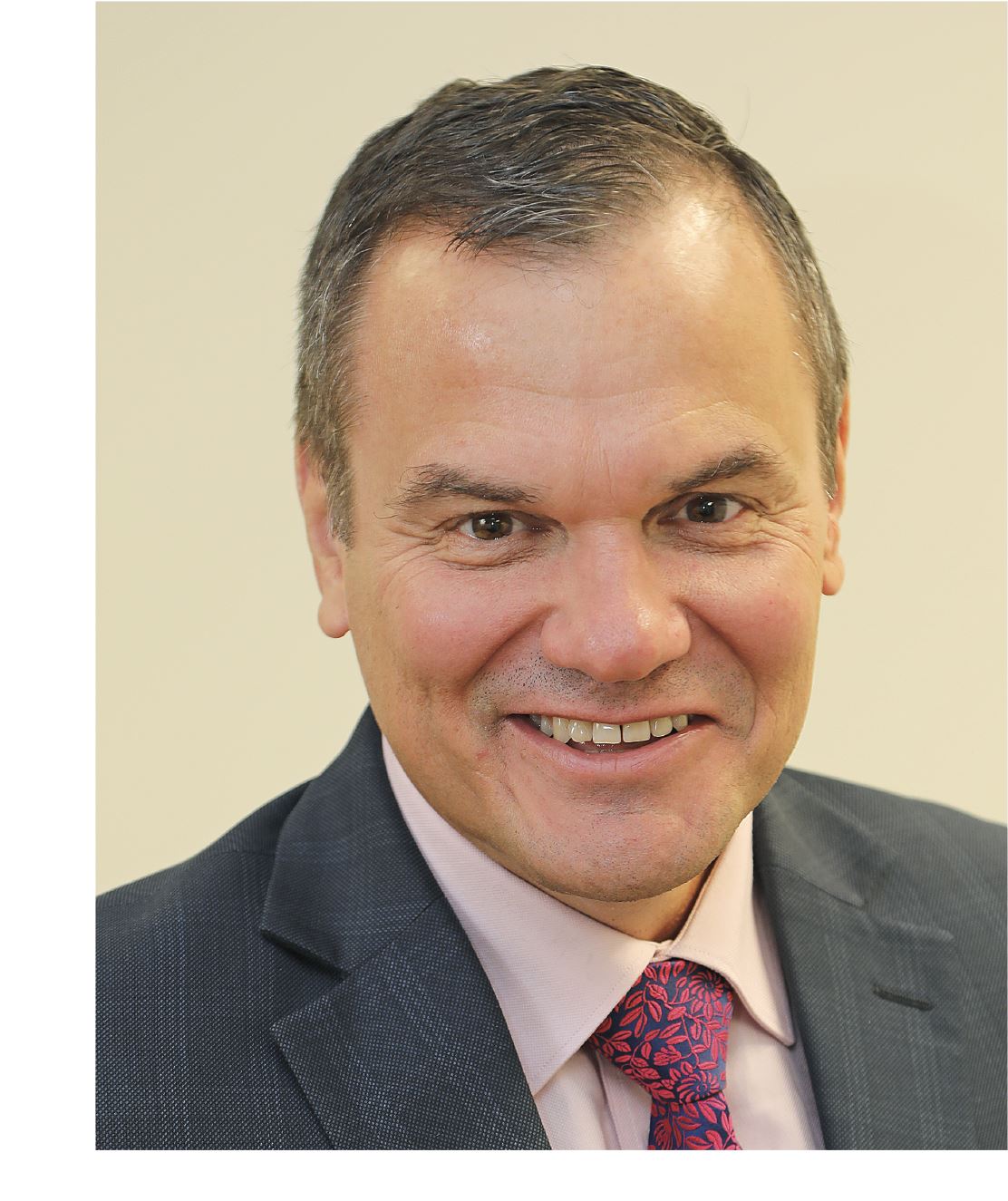
ATSB Chief Commissioner Greg Hood

In a time of great uncertainty due to the COVID-19 global pandemic, I am proud to report that in 2019–20 the Australian Transport Safety Bureau (ATSB) has been able to continue our focus on improving transport safety through the independent investigation of accidents and incidents, with minimal impact on our productivity and performance.

With many ATSB investigators and operational support staff having come from aviation, rail and marine transport backgrounds, and continuing to maintain those strong industry links, we have great empathy for operators and their respective workforces who are facing an indeterminate future and challenging road to recovery.

Other than the secondment of some staff to Services Australia, we have not been directly involved in the pandemic relief and recovery efforts. However, in support of the transport industry we have continued to apply our safety knowledge and expertise in carefully monitoring the return to operations of safe and reliable transport. 

As an operational agency undertaking an essential service, despite the COVID-19 travel restrictions, the ATSB has and will continue to deploy transport safety investigation teams where and when required across the nation during the course of the pandemic. Further, the ATSB’s ICT infrastructure has successfully supported working from home arrangements for our staff. I have worked hard to ensure our staff know that they are supported and feel connected during periods of home-based work and a period of unprecedented uncertainty.

The ATSB has seen a lessening in the number of transport safety occurrences reported to it in the second half of 2019–20, reflective of decreased activity in the aviation industry in particular, due to the COVID-19 pandemic. In addition, we have worked hard as an organisation to reduce the number of active investigations undertaken over time, as we more effectively manage our resources to ensure improved timeliness of report completion.

Nonetheless, during the summer months of 2019–20 we launched a number of complex investigations into significant transport safety accidents, including:

  • the collision between two freight trains at Jumperkine, Western Australia
  • the collision with terrain of a C-130 Hercules large air tanker near Cooma, New South Wales
  • the derailment of an XPT passenger train at Wallan, Victoria
  • the mid-air collision between two twin-engined training aircraft near Mangalore, Victoria.

Then in early March we launched our investigation into the collision with terrain of a Cessna 404 twin-engine aircraft, with the loss of life of all five on board, near Lockhart River, in far north Queensland.

That long summer of 2019–20 saw the worst bushfire season in Australia’s living memory, which meant a period of high operational tempo for aerial firefighting across Australia. In response to the subsequent Royal Commission into Natural Disaster Arrangements’ request for information, the ATSB produced a safety analysis of aerial firefighting occurrences in Australia, covering the period July 2000 to March 2020. This research report found that estimates of aerial firefighting activity for the 2019–20 bushfire season were around four times higher than other recent bushfire seasons, with more reported occurrences involving aerial firefighting aircraft in Australia in the financial year covering the last bushfire season (between July 2019 and March 2020) than any financial year since July 2000.

The ATSB will continue to examine aviation firefighting safety occurrences with a systemic safety study to commence in 2020–21.

As the COVID-19 pandemic saw a reduction in transport industry activity and transport safety occurrences, in the later months of the year our focus has been on finalising investigations and publishing their final reports. I am pleased to report for 2019–20, we completed and published 47 complex investigations, compared to 34 completed and published complex investigations in 2018–19.

A number of those completed and published complex investigations have led to meaningful improvements in transport safety, and better understandings of transport safety risks. Examples of safety issues raised by ATSB investigations published during 2019–20 concerned upper torso restraints in light aircraft, container ship cargo planning processes, and procedures and guidance for two-driver train operations.

These published investigations, and our new investigations commenced in 2019–20, are consistent with our Minister’s Statement of Expectations, for the period 15 July 2019 to 30 June 2021, which directs us to focus on transport safety as the highest priority, and to give priority to transport safety investigations that have the potential to deliver the greatest public benefit through improvements to transport safety.

These principles guide us in determining which accidents and incidents to investigate, and how best to direct our time and resources, to ensure the best safety outcome for the greatest public benefit. We focus on the public interest where the safety of passengers and workers is concerned, and also on the significant costs to the national economy that can result from an accident.

People and capabilities

It is the skills, professionalism and experience of our people, combined with our highly developed technical expertise and analysis capabilities that enable us to undertake those investigations that have the potential to deliver the greatest public benefit. Right across the agency our staff have broad skillsets, expertise and experience relevant to our role as the nation’s transport safety investigator. And nowhere is that expertise more evident than the ATSB’s governing Commission.

I am very pleased to note that in October 2019, Mr Gary Prosser was appointed to the ATSB Commission. Mr Prosser has 40 years’ experience in the maritime industry, coming from a seagoing career and serving on a wide variety of Australian ships in both the international and domestic trades. More recently, Mr Prosser was the Deputy Chief Executive Officer of the Australian Maritime Safety Authority (AMSA), and he has also served as the Secretary General to the International Organization for Marine Aids to Navigation (IALA).

I am equally pleased to note that Mr Chris Manning was in June 2020 reappointed to the ATSB Commission for a further three years. A former Chief Pilot with Qantas Airways, Mr Manning’s work on the Commission has been exemplary, and we are fortunate to have him with us, working to make transport safer in Australia.

Our Commissioner, Ms Carolyn Walsh also had her tenure extended until September 2020 making her the longest-serving ATSB commissioner.

I would also like to acknowledge and thank Mr Noel Hart for his service to the ATSB Commission and his commitment and passion for improving transport safety since he was first appointed as a Commissioner of the ATSB in July 2009. Mr Hart provided invaluable maritime industry knowledge and experience to countless ATSB investigations.

Also central to the quality of investigations is our ongoing investment in technologies, training and professional development to ensure our investigators have the best available tools and skillsets.

The professional development pathway for our investigators begins with our program of tertiary qualifications the ATSB initiated in partnership with RMIT University in 2019. The inaugural delivery of the Graduate Certificate in Transport Safety Investigation saw 25 participants from both the ATSB and industry gain this coveted tertiary qualification.

The RMIT University partnership will expand to include the development of Graduate Diploma and Masters Programs over time, and is an integral component of our strategy to create a centre of excellence for transport safety investigation in the Asia Pacific region. The ATSB will continue to advance its own safety investigation capabilities through the delivery of these courses, in addition to ensuring that the opportunity exists for industry to do the same.

And we continue to make investments in systems and technologies to ensure our investigators have the best available to effectively undertake their work. Examples include our laser scanning and remotely piloted aircraft systems (RPAS) combined with high accuracy differential GPS data to produce a range of outputs from videos to three-dimensional models of accident sites and vehicles.

Influencing safety action, education and collaboration

Through stakeholder engagement, communication, education and collaboration, the ATSB aims to improve transport safety via influencing safety action. Through our investigations we can identify safety issues but have no powers to make others take safety action. Instead, the ATSB actively engages with stakeholders who are already safety advocates and who may be able to work with us on influencing others to improve safety.

In 2019–20, the ATSB took advantage of a number of key forums and events hosted by industry partners to share priority safety messages and educate key stakeholders as to our role and responsibilities.

In October 2019, we were proud to co-host, alongside the Rail Industry Safety and Standards Board (RISSB) and the Office of the National Rail Safety Regulator (ONRSR), rail safety experts from across the globe at the 29th International Railway Safety Council in Perth.

Also in October, we held our inaugural maritime safety forum, SeaSafe 2019. Following on from the success of our FlySafe 2019 and RailSafe 2019 safety forums delivered in 2018–19, SeaSafe 2019 aligned with the two-day Pacific 2019 International Maritime Exposition in Sydney in order to maximise participation from key stakeholders.

In May 2020, we had planned to host the annual forum of the International Transportation Safety Association (ITSA), for which I am currently the Chair. ITSA is the international network of heads of agencies of independent transport safety investigation authorities from 17 nations, covering aviation, marine, rail and road transport, as well as pipelines and underground infrastructure. This year’s forum, which was to have been held in Sydney, was deferred due to the COVID-19 pandemic.

The mission of ITSA is to improve transport safety in each member country by learning from the experiences of others. It is my hope that that mission can be furthered with our next forum some time in 2021, whether that is held in person in Sydney, or virtually.

And while COVID-19 travel restrictions have placed many conferences and forums on hold, the ATSB has enthusiastically embraced virtual conferences and events to share our safety messages.

Sharing of resources and knowledge is central to our collaboration with our colleagues at the Defence Flight Safety Bureau (DFSB). In January, we were able to exercise the provisions of our Memorandum of Understanding (MoU) with DFSB when they seconded a representative with expertise in the C-130 aircraft to join our investigation team working on the C-130 large air tanker accident.  

The ATSB also has in place memoranda of understanding with a number of industry associations that are in a position to reach out to their members with messaging that is tailored to their working environment.

Another example of cooperation was in November, when the ATSB’s communications team hosted media and communications representatives from the AMSA, the Civil Aviation Safety Authority (CASA), Airservices Australia, and the then Department of Infrastructure, Transport, Cities and Regional Development for the first in a series of regular meetings to share details of communications, media and safety promotion activities across the broader group.

This forum will allow the portfolio agencies to work together on promoting and sharing safety issues and education campaigns, such as the ATSB’s ‘Don’t Push it, Don’t Go’ campaign, launched in September 2019 to raise awareness of the dangers of visual flight rules (VFR) for pilots flying into instrument meteorological conditions (IMC).

Outlook

In 2020–21, we will be aligning a new set of performance measures with our Vision 2030 statement. These have been designed to demonstrate our effectiveness against our mission to:

Improve transport safety for the greatest public benefit through our independent investigations and influencing safety action.

Through the revised performance criteria, we are focused on being able to demonstrate the safety action taken in response to our investigations, ensuring that our findings are defendable and timely, and that our resources are being used efficiently.

I intend to publicly release our Vision 2030 statement during 2020–21 at an appropriate time, mindful of and sensitive to the changes occurring within the transport industry.

Another key focus for our agency in 2020–21 will be the replacement of our investigation information management system. This is a significant and essential project utilising cloud technologies and software that will service the ATSB’s investigation information management needs for many years. Investigators will be able to access data and upload evidence to the new system anywhere on any device, while the removal of labour-intensive processes promises to improve our productivity.

From bushfires to a global pandemic, 2019–20 has been a year of unprecedented challenge. I am proud of the ATSB’s staff who have, time and time again, proven themselves resilient and adaptable during this period of uncertainty. Like all Australians, ATSB staff across the nation have had to adapt to changing circumstances during this pandemic. At a professional level they have remained committed to their work, whether this be from the office, home or deploying to transport accident sites across state borders.

Australia’s aviation, rail and marine industries are safer for their efforts.


Greg Hood

Chief Commissioner

Publication details

Publication number Annual Report 2019-20
Publication type Annual Report
Publication mode Corporate
Publication date 15/10/2020
Authors ATSB
ISBN 978-1-74251-327-0
ISSN 1838‑2967

Are you protected from carbon monoxide poisoning?

Carbon monoxide (CO) is a colourless, odourless and tasteless gas found in the exhaust gases of piston‑engine aircraft. Carbon monoxide detectors provide warning to aircraft occupants of the presence of CO levels in the cabin that are above safe concentrations.

Passive chemical spot detector as carried in VH-NOO (L) with example BWC2R-M1025 active digital CO detector (R) (Source: ATSB)

What happened

On the afternoon of 31 December 2017, the pilot and five passengers of a DHC-2 Beaver floatplane, registered VH-NOO, boarded the aircraft for a charter flight from Cottage Point to Rose Bay, New South Wales. The aircraft taxied for about 7 minutes. Shortly after take-off, the aircraft deviated from the standard flight path, stopped climbing, and entered a confined area (Jerusalem Bay) below the height of the terrain. The aircraft continued along the bay before making a very steep right turn and colliding with the water. All on board were fatally injured and the aircraft destroyed.

Why did it happen

Toxicological testing of stored blood samples found that the pilot and two of the passengers had elevated levels of carbon monoxide (CO). The levels detected were likely to have adversely affected the pilot’s ability to control the aircraft during the flight.

As it is colourless, odourless and tasteless, CO is generally very difficult to detect. The aircraft was fitted with a disposable CO chemical spot detector. While these type of detectors are commonly used in general aviation aircraft, they have known limitations. They have a limited shelf-life when removed from their original packaging, which may be further affected by factors such as exposure to harsh direct sunlight, cleaning chemicals, and halogens. In addition, they are a passive device, which relies on the pilot regularly monitoring the changing colour of the detector to show elevated levels of CO. In contrast, electronic active CO detectors are designed to attract the pilot’s attention through auditory and/or visual alerts when CO levels are elevated, so are more likely to be effective. These are now inexpensive and widely available. Had the pilot been made aware of the presence of CO, the pilot would have been able to take measures to reduce the risk to those on board. In addition, undetected CO in the cabin is a well‑known risk that has been shown to have contributed to many fatal accidents across the world.

Safety advisory notice

AO-2017-118-SAN-002 (85.54 KB)
: The use of an attention attracting carbon monoxide detector in the cockpit provides pilots with the best opportunity to detect carbon monoxide exposure before it adversely affects their ability to control the aircraft or become incapacitated. The ATSB strongly encourages operators and owners of piston‑engine aircraft to install a carbon monoxide detector with an active warning to alert pilots to the presence of elevated levels of carbon monoxide in the cabin. If not provided, pilots are encouraged to carry a personal carbon monoxide detection and alerting device.

Read more about this Civil Aviation Safety Authority’s airworthiness bulletin: AWB 02-064 Issue 1(Opens in a new tab/window)

Read the Safety Advisory Notice: AO-2017-118-SAN-001 - Inspection of exhaust systems and engine firewalls: are they carbon monoxide safe?

Publication details

Investigation number AO-2017-118-SAN-002
Publication type Safety Advisory Notice
Publication mode Aviation
Publication date 03/07/2020

Corporate Plan 2020-21

Greg Hood Chief Commissioner
I am pleased to present the Australian Transport Safety Bureau’s (ATSB) Corporate Plan, which covers the period 2020-2021 to 2023-24. This version of the Corporate Plan, issued in March 2021, is a minor variation of the original plan.

I acknowledge this is a time of great uncertainty for the transport industry in general, and aviation in particular. Many ATSB investigators and operational support staff have come from the aviation, rail and marine transport modes and continue to maintain strong industry links. We have great empathy for operators and their respective workforces who are facing an indeterminate and challenging road to recovery.

The ATSB is not a policy agency, and other than secondment of some staff to Services Australia, we have not been directly involved in the pandemic relief and recovery efforts in support of the transport industry. However, as an independent safety agency, the ATSB is continuing to apply our safety knowledge and expertise in carefully monitoring the return to operations of safe and reliable transport. As an operational agency, the ATSB will continue to deploy accident investigation teams where and when required during the course of this pandemic.

Leading into this new performance period, we have worked hard as an organisation to reduce the number of active investigations undertaken over time. We have managed our resources such that we have teams dedicated to commencing new investigations whilst completing some of the complex, resource intensive investigations we have commenced in recent times. Investigations commenced early in 2020 include the loss of the C-130 firefighting aircraft near Cooma (NSW), the derailment of the XPT near Wallan (Vic), the mid-air collision of two aircraft near Mangalore (Vic), and the loss of five lives in an impact with terrain near Lockhart River (Qld). The ATSB has also responded to the Royal Commission into Natural Disaster Arrangements through the provision of a submission containing an analysis of aviation firefighting safety occurrences.

In this Corporate Plan we have established a new set of performance measures. These are designed to demonstrate our effectiveness against our mission to:

Improve transport safety for the greatest public benefit through our independent investigations and influencing safety action.

Through the revised performance criteria, we are focussed on being able to demonstrate the safety action taken in response to our investigations, ensuring that our findings are defendable and timely, and that our resources are being used efficiently.

The transport safety investigation tertiary qualification which the ATSB initiated in partnership with RMIT University in 2019, will proceed in 2020-2021, despite the impact that the pandemic has had on the tertiary sector. The inaugural delivery of the Graduate Certificate in Transport Safety Investigation in 2019 resulted in 25 graduates from both the ATSB and industry. The RMIT partnership, which will expand to include the development of Graduate Diploma and Masters Programs over time, is an integral component of our strategy to create a centre of excellence for transport safety investigation in the Asia Pacific Region. The ATSB will continue to advance its own safety investigation capabilities through the delivery of these courses, in addition to ensuring that the opportunity exists for industry to do the same.

I am proud of the ATSB’s staff who have, time and time again, proven themselves resilient and adaptable during this period of uncertainty. Like all Australians, ATSB staff across the nation, have had to adapt to changing circumstances during this pandemic. At a professional level they have remained committed to their work, whether this be from the office, home or deploying to transport accident sites across state borders.

This Corporate Plan has been prepared consistent with paragraph 35(1)(b) of the Public Governance, Performance and Accountability Act 2013 and the relevant provisions of the Transport Safety Investigation Act 2003 (the TSI Act), which establishes the ATSB. The Corporate Plan is also consistent with the Minister’s revised Statement of Expectations 2019–21 (SOE) for the ATSB, as notified under Section 12AE of the TSI Act. The SOE sets out clear expectations which, in my capacity as Chief Commissioner and the Accountable Authority, I am committed to meeting in 2020-21 and beyond.


Chief Commissioner Greg Hood

Greg Hood
Chief Commissioner

Publication details

Publication type Corporate Plan
Publication mode Corporate
Publication date 26/03/2021