Visibility study

Visibility study highlights how ADS-B IN can assist pilots to better identify potential traffic conflicts

A cockpit display or electronic flight bag app showing traffic information from ADS-B IN data would have alerted the pilots of two training aircraft involved in a fatal mid-air collision near Mangalore, Victoria to the position of the other aircraft much earlier compared to visual acquisition, an Australian Transport Safety Bureau study concludes.

In March, the ATSB released its final report from its investigation into the accident which found that, following receipt of verbal traffic information provided to both aircraft by air traffic control, the pilots of both aircraft did not successfully manoeuvre or establish direct radio communications to maintain separation, probably due to not recognising the risk of collision.

The accident was the first mid-air collision between two civil registered aircraft operating under the instrument flight rules (IFR) in Australia. As the collision occurred outside of controlled airspace, air traffic control (ATC) was required to provide traffic information on other IFR aircraft, but was not responsible for ensuring separation. This meant that the pilots were self-separating using radio communications and, where possible, the ’see and avoid’ principle.

‘See and avoid’ has known limitations, and central to the investigation was determining the likelihood that the pilots of each aircraft could detect the other visually in sufficient time to take avoiding action.

“To support the investigation, the ATSB initiated an aircraft performance and cockpit visibility study to determine when each aircraft may have been visible to the pilots of the other aircraft,” said ATSB Chief Commissioner Angus Mitchell.

“In addition, the study was undertaken to determine what effect an ADS-B IN system would have had on the pilots’ ability to detect traffic as they converged.” 

Aircraft fitted with ADS-B OUT transmit positional and speed information derived from GPS to receivers including those used for air traffic control. Aircraft fitted with ADS-B IN equipment can receive this information on nearby aircraft, aiding pilot situational awareness.

Mr Mitchell said the investigation found that the pilots had insufficient time to visually acquire the opposing aircraft as cloud likely obscured the aircraft up until the collision, and added the study found that even in clearer conditions the aircraft were unlikely to have had sufficient time to visually acquire one another in time to avoid a collision.

“Analysis indicated that even in clearer conditions than experienced on the day of the accident, closing speeds and shielding by the aircraft structures would have limited the pilots’ opportunities to acquire the other aircraft, with two of the four pilots involved likely having the opposing aircraft shielded from their view at key moments prior to the collision,” he said.

As part of the study the ATSB developed scale three-dimensional models of the internal and external structures of representative aircraft using laser scanning technology, and determined the pilots’ approximate eye position within each model.

Investigators then developed animations using ADS-B position and aircraft performance data showing the cockpit view for both pilots in each aircraft overlaid with simulated cockpit traffic displays and alerts. This was supplemented by recorded air traffic control data.

These animations help illustrate the limitations of visual acquisition. Moreover, they demonstrate the significant additional alerting time that would be provided by an ADS-B IN display with an aural alert.

“The study has clearly shown that had the aircraft been equipped with ADS-B IN, the pilots would have been assisted in locating the other aircraft and alerted to its position much earlier than by visual acquisition,” Mr Mitchell said.

“The ATSB continues to strongly encourage the fitment and use of ADS-B transmitting, receiving and display devices in all general and recreational aviation aircraft, as these devices can significantly assist pilots with the identification and avoidance of conflicting traffic, and are available at relatively low-cost.”

While both aircraft involved in the mid-air collision were equipped with ADS-B OUT, neither aircraft were equipped with ADS-B IN systems, and nor were they required to be.

“Both a cockpit display of traffic information with an ADS-B traffic alerting system or an electronic conspicuity device connected to an electronic flight bag application could have provided this advance warning of a potential collision to the pilots of both aircraft,” Mr Mitchell said.

“While effective radio communication remains the primary means of self-separation in non-controlled airspace, the targeted and accurate information provided by ADS-B IN can provide pilots with significant assistance.”

Read the aircraft performance and cockpit visibility study: AS-2022-001 – Aircraft performance and cockpit visibility study supporting investigation into mid air collision of VH-AEM and VH-JQF near Mangalore Airport Vic. on 19 February 2020

Read the final report: AO-2020-012 – Mid-air collision involving Piper PA-44-180 Seminole, VH-JQF, and Beech D95A Travel Air, VH-AEM, 8 km south of Mangalore Airport, Victoria, on 19 February 2020

More information about ADS-B and the benefits of using the technology: Automatic Dependent Surveillance Broadcast - Airservices(Opens in a new tab/window)

UH-1H driveshaft

ATSB issues driveshaft failure Safety Advisory Notice to UH-1H helicopter operators


The Australian Transport Safety Bureau has issued a Safety Advisory Notice to operators of the UH-1H helicopter, recommending that they inspect the helicopter’s ‘KAflex’ driveshaft.

The Safety Advisory Notice stems from the ATSB’s on-going investigation into a fatal accident involving a UH-1H that was conducting firebombing operations at Labrina, near Launceston, Tasmania on 14 February 2022.

 The ATSB previously released a preliminary report from the investigation on 28 April, however, ongoing examination of the wreckage has determined that the helicopter’s main driveshaft had failed, with evidence of severe frictional and wear damage to one portion of the shaft.

“It is important to note that this investigation is on-going and the ATSB is yet to make formal findings as to the contributing factors to this accident, and technical examination of the KAflex shaft is continuing,” said ATSB Director Transport Safety Stuart Macleod.

However, the driveshaft’s manufacturer has advised the ATSB that the presence of frictional damage is evidence that the shaft had entered fail-safe mode during operation.”

The KAflex driveshaft was manufactured by Kamatics Corporation in the early 1980s as part of a US Army UH-1H driveshaft retrofit program. It uses flexible plates to accommodate relative movement between the engine and gearbox, and has a fail-safe mode intended to allow for uninterrupted drive for up to 30 minutes of helicopter operation.

However, the manufacturer has advised the ATSB that if a flex-frame attachment bolt were to release, the time before complete shaft failure may be significantly reduced.

Additionally, the Safety Advisory Notice notes that operators should be aware of the manufacturer’s concern of a certain serial number range of shafts for the UH‑1H that may be fitted with legacy flex-frame attachment hardware.

A number of previous KAflex driveshaft failures had already prompted the US Federal Aviation Administration to issue an airworthiness directive(Opens in a new tab/window) to UH-1H operators, which with effect from 25 February 2022 requires them to replace the KAflex before further flight.

“While the specific circumstances of this accident are still under investigation, the ATSB advises UH-1H operators to note the preliminary details of this accident, the FAA’s airworthiness directive, and to look for the presence of corrosion, fretting, frame cracking, and missing or damaged flex-frame attaching hardware during all inspections of the KAflex driveshaft,” Mr Macleod said.

The ATSB also advises UH-1H operators to familiarise themselves with Civil Aviation Safety Authority (CASA) Airworthiness Bulletin 63-004, which recommends closer inspection of the KAflex driveshaft.

The CASA AWB was re-issued in June 2021 in response to an ATSB investigation into a separate UH-1H accident where the helicopter conducted a forced landing after a driveshaft failure. The AWB was first issued in 2007.

“Any identified defects should be notified to CASA and the ATSB,” Mr Macleod said.

The UH-1H Iroquois (or ‘Huey’) was originally manufactured by Bell Helicopter for service with the United States Army and other militaries. A number of companies, including Garlick Helicopters, held supplement type certificates to convert the helicopter for civil operation and registration in the limited/restricted category.

Read the safety advisory notice: AO-2022-006-SAN-001 UH‑1H helicopter main drive shaft failure

Devonport ship collision

ATSB releases Devonport ship collision preliminary report

The Australian Transport Safety Bureau has released a preliminary report from its ongoing investigation into a cement carrier’s collision with two berthed tugs at Devonport, Tasmania on 28 January 2022.

The preliminary report describes the Australian-flagged Goliath’s entry into the port, radio calls with both the Devonport vessel traffic service (VTS) and a mooring lines boat (which was to assist in mooring Goliath as it would come alongside the wharf), the roles and movements of the ship’s crew on the bridge, and the ship’s manoeuvres in the lead-up to the collision.

“This preliminary report details factual information established in the investigation’s early evidence collection phase, but it does not detail analysis or findings, which will be outlined in the investigation’s final report,” ATSB Chief Commissioner Angus Mitchell noted. 

The report outlines that, as the ship approached the port’s swing basin, the crew received two radio calls from the mooring boat. Goliath’s master asked the second mate to respond to the radio calls, so the second mate moved from beside the steering console to near the bridge front console to use the VHF radios located there. Meanwhile, the master commenced a slow turn to starboard in the swing basin as part of the final approach to its berth.

Shortly after, Goliath’s master re-positioned from the wheelhouse to the port bridge wing conning station, from where they manoeuvred the ship using main engine power settings (via the main engine telegraph*), the bow thruster and a joystick to input rudder angle commands to the ship’s VecTwin steering system.

“As the manoeuvre progressed, the master felt that the ship was not swinging as expected and was closing with two tugs moored at berth number Three West,” Mr Mitchell said.

To arrest the ship’s movement, the master set the VecTwin joystick to the ‘astern’ setting and placed the main engine telegraph to first ‘half ahead’ and then ‘full ahead’.

“Ships fitted with the VecTwin twin-rudder steering system can be manoeuvred at low speed with thrust from the propeller re-directed as required by the two rudders, controlled by a joystick,” explained Mr Mitchell.

“The system allows astern thrust to be generated using ahead inputs on the main engine without the need to stop the engine and engaging astern propulsion, as would be required for conventional ship manoeuvring.”

With the ship’s speed unexpectedly increasing, the master checked the rudder angle indicator and found that both rudders were still amidships and not at the angles corresponding to the VecTwin joystick’s ‘astern’ setting. The master called out to the second mate that the steering was not in VecTwin steering mode and immediately placed the engine telegraph to ‘stop’.

At about the same time, Goliath collided about halfway up the starboard side of the tug York Cove, at a speed of 4.7 knots (approximately 9 km/h).

York Cove was moored outboard of and alongside another tug, Campbell Cove. Both were severely damaged and began to take on water almost immediately.

On board Goliath, the second mate, who at that point was positioned by the wheelhouse door, re‑entered the wheelhouse and found the steering mode selector still in manual steering mode.

The second mate changed the steering mode over to VecTwin mode while the master began to move the ship astern using astern inputs on the main engine to get clear of the tugs before berthing the ship without further incident.

Within about five hours of the collision, both tugs had sunk in about 7 m of water and were subsequently declared constructive total losses. There was no-one on board the tugs, and no reported injuries on Goliath.

“The investigation is progressing and the ATSB will review and assess the ship’s safety management system and navigation procedures, the effectiveness of bridge resource management on board, and review past incidents involving Goliath,” Mr Mitchell said.

“Investigators will also examine TasPorts’ pilotage exemption processes and port procedures, as well as the shore pollution response.”

A final report will be released at the conclusion of the investigation.

“However, should a critical safety issue be identified at any time during the course of the investigation, the ATSB will immediately notify relevant parties so safety action can be taken,” Mr Mitchell said.

* The main engine telegraph communicates engine setting instructions from the bridge to the engine room.

Read the preliminary report: Collision involving the bulk carrier Goliath and tugs York Cove and Campbell Cove, Devonport, Tasmania, on 28 January 2022

Mt Disappointment prelim

ATSB releases preliminary report into Mt Disappointment helicopter accident

The Australian Transport Safety Bureau has released a preliminary report from its ongoing investigation into a fatal helicopter accident at Mount Disappointment, Victoria.

The report outlines factual information from the investigation’s early evidence collection phase, but contains no analysis or findings, which will be detailed in the final report.

The helicopter was one of two 7-seat EC130 helicopters operated by Microflite that departed from Batman Park Heliport in Melbourne, for a flight to Ulupna, on the NSW-Victoria border, on the morning of 31 March 2022. Each helicopter had a pilot and four passengers on board, and both were operating under visual flight rules (which permit pilots to operate only in visibility conditions generally clear enough to allow them to see where their aircraft is going).

Travelling towards Mount Disappointment, the helicopters were cruising at 3,500 ft, between a layer of scattered* cloud at an estimated 2,500-3,000 ft and a layer of broken cloud at an estimated 4,500 ft.

“As they approached Mount Disappointment, the pilot of the first helicopter noted the layer of cloud below was rising and becoming broken, while the base of the cloud above appeared to be lowering, resulting in the clouds appearing to converge ahead of them,” ATSB Chief Commissioner Angus Mitchell said.

“The pilot reported they were then confronted with a ‘wall of cloud’ in front, and to the left and right of their track, and broadcast to the other pilot their intention to turn around.”

The pilot of the first helicopter later recounted that the pilot of the second helicopter, which was trailing about 3 km behind, may have been confused by this broadcast.

The pilot of the first helicopter then broadcast ‘U-turn, U-turn, U-turn’ to the second pilot, and conducted a sharp left turn onto a southerly track.

About 30 seconds later, while travelling south at 3,650 ft, the pilot and passengers on board the first helicopter saw the second helicopter pass below and to the left of them at about 3,500 ft, continuing in a northerly direction. This was the last visual contact they had with the second helicopter.

“A short time later, before the collision with terrain, flight track data showed the second helicopter in a left descending turn,” Mr Mitchell said.

The ATSB’s survey of the accident site subsequently determined that the helicopter collided with a large old growth tree trunk before impacting the ground about 250 m south of the last recorded data point. All five occupants were fatally injured.

Much of the wreckage was destroyed by a post-impact fire, however, investigators found no evidence of any pre-existing defects that would have affected the helicopter’s operation.

As well as site survey activities, to date ATSB investigators have also interviewed the pilot of the first helicopter, the operator’s chief pilot, and collected passenger statements, operational and maintenance data, onboard recording equipment, and meteorological data.

“As the investigation continues the ATSB will attempt to download and analyse data from the helicopter’s onboard Appareo camera, which may have recorded video and audio of the accident flight, plus the pilot’s iPad, which was being used to run an electronic flight bag flight planning app, as well as avionics equipment from the helicopter,” said Mr Mitchell.

Investigators will also analyse other aspects relevant to the accident including the weather data, the helicopter’s maintenance history, the pilot’s qualifications and experience, witness information, the operator’s management systems, and the training and flight review standards for commercial helicopter pilots.

“While a final report will be released at the conclusion of this investigation, should a critical safety issue be identified at any time, the ATSB will immediately notify relevant parties so appropriate and timely safety action can be taken,” Mr Mitchell concluded.

* Cloud cover: ‘scattered’ indicates that cloud is covering between a quarter and a half of the sky, ‘broken’ indicates that more than half to almost all the sky is covered.

Read the preliminary report: AO-2022-016: Collision with terrain involving Airbus Helicopters EC 130 T2, VH-XWD, near Mount Disappointment, Victoria, on 31 March 2022

TSI grad cert

Applications open for July 2022 Graduate Certificate in Transport Safety Investigation intake 

Applications are now open for the next Graduate Certificate in Transport Safety Investigation intake, the award-winning qualification for transport accident investigation developed in partnership by RMIT University and the Australian Transport Safety Bureau.

RMIT University delivers the Graduate Certificate to both transport industry professionals and the ATSB’s own transport safety investigators.

“The Graduate Certificate program is ideal for professionals in transport safety-related roles who aspire to gain theory-based knowledge and skills to perform accident investigations in the aviation, rail and marine sectors,” said ATSB Chief Operating Officer Colin McNamara.

“The course is also the cornerstone of the training we provide to all newly-recruited ATSB transport safety investigators.”

“The Graduate Certificate in Transport Safety Investigation arose from a joint vision between RMIT University and the ATSB, Mr McNamara noted.

“That’s why we were thrilled to see RMIT University’s development and implementation of the course recently recognised with Aviation/Aerospace Australia’s Outstanding Leadership in Training award, right as we’re opening our next intake for July 2022.”

Courses in the program are offered intensively in one-week blocks, to help provide a better articulation between participants’ working and academic commitments. The program can be completed over a six month period and the courses can be attended in person at RMIT City campus (Melbourne) and/or on-line.

“The ATSB provides advice on the development of the program structure and the course material, and a significant number of topics are delivered by ATSB subject matter experts with in-depth industry experience,” Mr McNamara said.

“The ATSB and RMIT collaboration ensures the course is industry-relevant and work-integrated.”

Mr McNamara noted RMIT University and ATSB are also developing a Graduate Diploma in Transport Safety Investigation, to extend and deepen the knowledge and skills for this highly specialised profession.

Find out more about the program, and apply for the July 2022 intake, on RMIT’s website(Opens in a new tab/window)

King River preliminary

King River helicopter accident preliminary report released


The ATSB has released a preliminary report from its on-going investigation into a fatal accident involving a Robinson R44 helicopter at King River, in the Northern Territory’s West Arnhem Land.

The report notes the helicopter was one of three conducting crocodile egg collection, able to carry a crewmember (‘sling person’) attached to a 100 ft long line to access crocodile nests.

All three helicopters had departed a staging area at King River to start egg collection from nearby nests on the morning of 28 February 2022.

“Crewmembers of the other two helicopters became concerned when they had not heard any radio communications from the third helicopter,” ATSB Director Transport Safety Stuart Macleod said.

One of the pilots elected to return to the area the third helicopter was operating in, and found the wreckage at a paperbark swamp approximately 300 m from the staging area.

The sling person was found approximately 40 metres from the main wreckage, and was fatally injured. The pilot was seriously injured, and was airlifted to hospital.

“Preliminary analysis of the site by ATSB investigators indicated the accident sequence had occurred while the helicopter was travelling in a north-west direction, shortly after it left the staging area,” said Mr Macleod.

“Initial assessment indicated the engine had stopped prior to the helicopter colliding with the ground,” Mr Macleod continued.

There was no visible damage to the tail rotor blades and drive system and flight control continuity was established.

An examination of the engine and associated components found no defects likely to result in engine stoppage. The helicopter’s two fuel bladder tanks were intact despite breaches of the surrounding metal tanks, and there was no fire.

After initial assessment, the wreckage was removed from the site, and ATSB investigators drained about 250 ml of fuel from the main tank’s bladder.

It was possible fuel escaped into the creek that flowed beneath the wreckage as the fuel system was compromised in the accident, the report notes.

“This preliminary report details factual information established in the investigation’s early evidence collection phase, and as such does not detail analysis or findings, which will be outlined in the investigation’s final report,’ Mr Macleod said.

“As the investigation progresses, the ATSB will include review and examine of electronic components retrieved from the accident site.

“Fuel system components, refuelling practices and fuel quality will also be reviewed and examined, as well as relevant maintenance records, operational documentation and regulations.”

Survivability aspects of the accident will also be considered.

Read the preliminary report: Collision with terrain involving Robinson R44, VH-IDW King River, Northern Territory, on 28 February 2022

ATSB releases Mangalore mid-air collision investigation final report
ATSB releases Mangalore mid-air collision investigation final report

Key points:

  • Two twin-engine training aircraft collided mid-air near Mangalore Airport, Victoria fatally injuring four pilots;
  • Both aircraft were flying in non-controlled airspace at the time of the collision;
  • ATSB supports systemic enhancements to the overall Australian air traffic system that have been assessed by regulatory and air traffic specialists as providing a net overall safety increase;
  • The ATSB strongly encourages the fitment and use of Automatic Dependent Surveillance Broadcast (ADS-B) avionics, with some equipment currently available within Australia at low cost and can be used without any additional regulatory approval or expense.

The Australian Transport Safety Bureau has released the final report from its investigation into the mid-air collision between two training aircraft near Mangalore, Victoria, on 19 February 2020, identifying contributing safety factors to the accident relating to self-separation in non-controlled airspace.

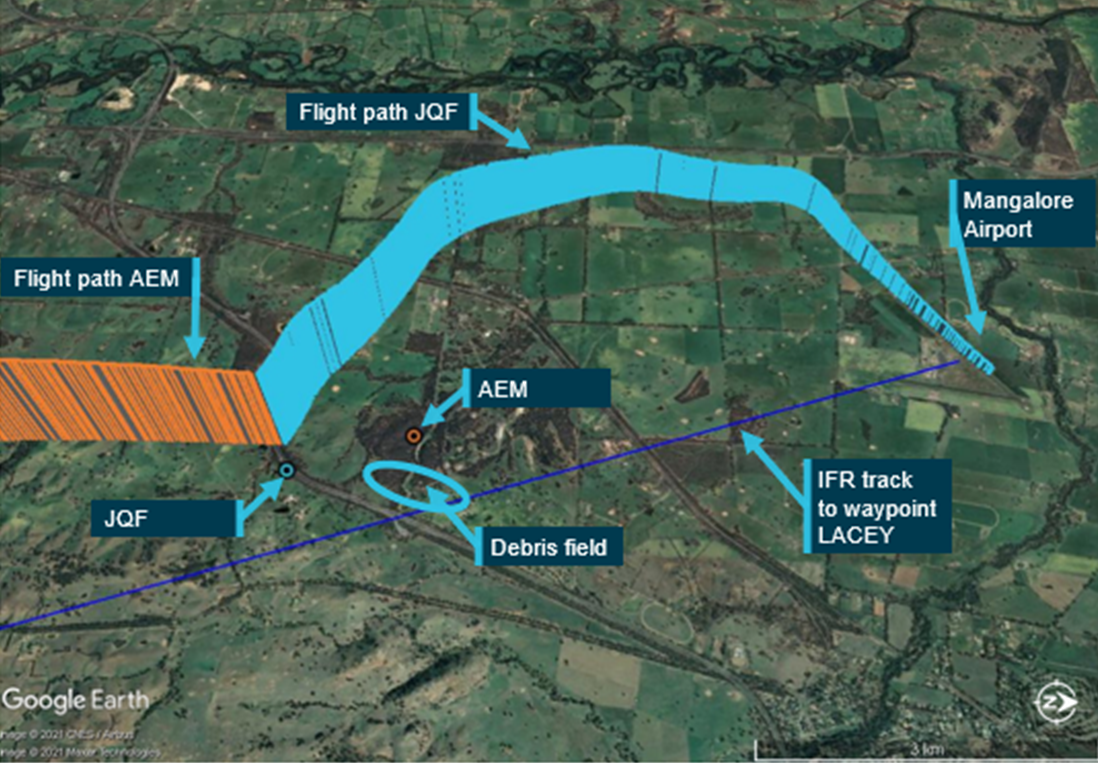
The report details that shortly before 11.00am, a twin-engine Beech Travel Air departed from Tyabb Airport for a return Instrument Flight Rules (IFR) training flight to and from Mangalore Airport – a non-controlled airport in Class G airspace – with a student pilot and an instructor onboard. At around the same time, a pilot under examination and flight examiner were at Mangalore Airport preparing for an instrument rating flight test in a twin-engine Piper Seminole.

While the Travel Air was on descent and the Seminole was on climb, the two aircraft collided at an altitude of around 4,100 feet about 8 km (4 nm) south of Mangalore Airport. Tragically, all four pilots were fatally injured and both aircraft were destroyed.

Prior to the collision, the pilots of each aircraft had been provided with traffic information about the other aircraft, in accordance with procedures, by an air traffic controller in Melbourne Centre. In addition, other pilots monitoring the common traffic advisory frequency (CTAF) radio channel for the Mangalore area reported hearing pilots from both aircraft make radio broadcasts, but had no recollection of hearing them speaking directly to each other.

The accident was the first mid-air collision in Australia between two civilian aircraft operating under IFR procedures that have been in place for many decades.

“The ATSB identified that, following receipt of verbal traffic information provided to both aircraft by air traffic control, the pilots did not successfully manoeuvre or establish direct radio communications to maintain separation, probably due to the collision risk not being recognised,” said ATSB Chief Commissioner Angus Mitchell.

“The investigation also determined that while it is probable the aircraft were in instrument meteorological conditions at the time of the collision, due to extensive cloud in the area, the known limitations of the ‘see-and-avoid’ principle meant that the pilots were unlikely to have seen each other in sufficient time to prevent the collision even in clear weather.”

In non-controlled airspace, irrespective of whether an aircraft is operated under instrument or visual flight rules, pilots are responsible for separation from other aircraft.

“As such, if made aware of traffic, either via advice from air traffic control, a received broadcast, or any other means, it is vitally important for pilots that the traffic is hazard assessed and, if necessary, a plan is established to assure separation.”

Mr Mitchell stated that self-separation using broadcast traffic advice is subject to human error, even when it involves experienced pilots.

“The ATSB notes that had the aircraft been operating in controlled airspace, they would have been positively separated by air traffic control, and therefore the collision would have been unlikely to have occurred, and while the available evidence in this investigation does not support a conclusion that the present system of self‑separation in Mangalore airspace is unsafe, there is an opportunity to reduce safety risk further.

“The ATSB supports systemic enhancements to the overall Australian air traffic system that have been assessed by regulatory and air traffic specialists, in keeping with their obligations, as providing a net overall safety increase.”

Mr Mitchell noted in this accident that while the pilots were responsible for self-separation within the Mangalore CTAF area, they did not have access to the same surveillance data radar or automatic dependent surveillance broadcast (ADS-B) information that was available to air traffic control.

“As a result, the pilots were required to make timely decisions to avoid a collision without the best available information,” he said

“Consequently, the ATSB strongly encourages the fitment and use of ADS-B transmitting, receiving and display devices in all general and recreational aviation aircraft, as these devices can significantly assist pilots with the identification and avoidance of conflicting traffic,” Mr Mitchell said.

ADS-B is a system which transmits GPS-derived position data, aircraft identification and other aircraft performance parameters. In Australia, all aircraft operating under the IFR are required to be fitted with ADS-B broadcast (or ADS-B OUT).

Both accident aircraft were fitted with ADS-B OUT, but neither aircraft was fitted with a system to receive ADS-B information directly from other aircraft (known as ADS-B IN), and nor were they required to be.

“The continuous positional information that ADS-B provides, when used with a relevant alerting capability enabled, can assist in highlighting a developing situation many minutes before it becomes hazardous – a significant improvement on both point-in-time radio traffic advice and ‘see and avoid’.”

Mr Mitchell noted that in December 2021, the Department of Infrastructure announced a $30 million fund to provide rebates to general aviation aircraft operators to fund up to $5,000 or 50% of the cost of installing ADS-B transponder technology into their aircraft.

“When details of that fund are finalised, the ATSB looks forward to further highlighting the benefits of ADS-B, and in particular ADS-B IN, to the aviation community.”

Read the final report: Mid-air collision involving Piper PA-44-180 Seminole, VH-JQF and Beech D95A Travel Air, VH-AEM, 8 km south of Mangalore Airport, Victoria, on 19 February 2020

More information about ADS-B and the benefits of using the technology:
Unreliable airspeed on TO

The Australian Transport Safety Bureau has released the final report from its systemic investigation into a serious incident where a Malaysia Airlines Airbus A330 with 14 crew and 215 passengers on board took off from Brisbane Airport with no airspeed information.

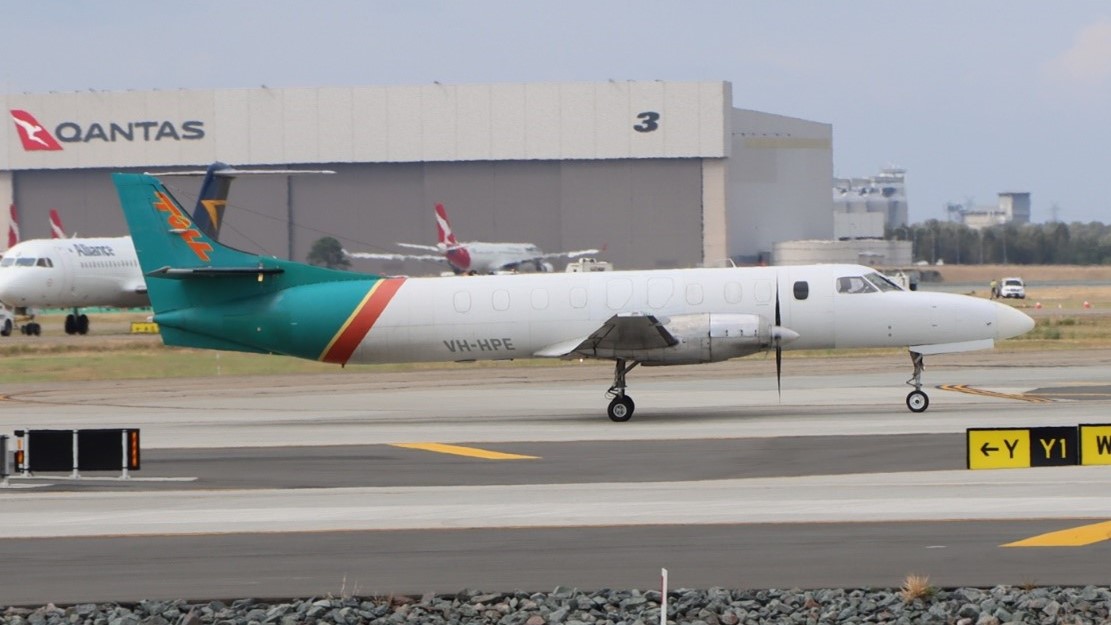
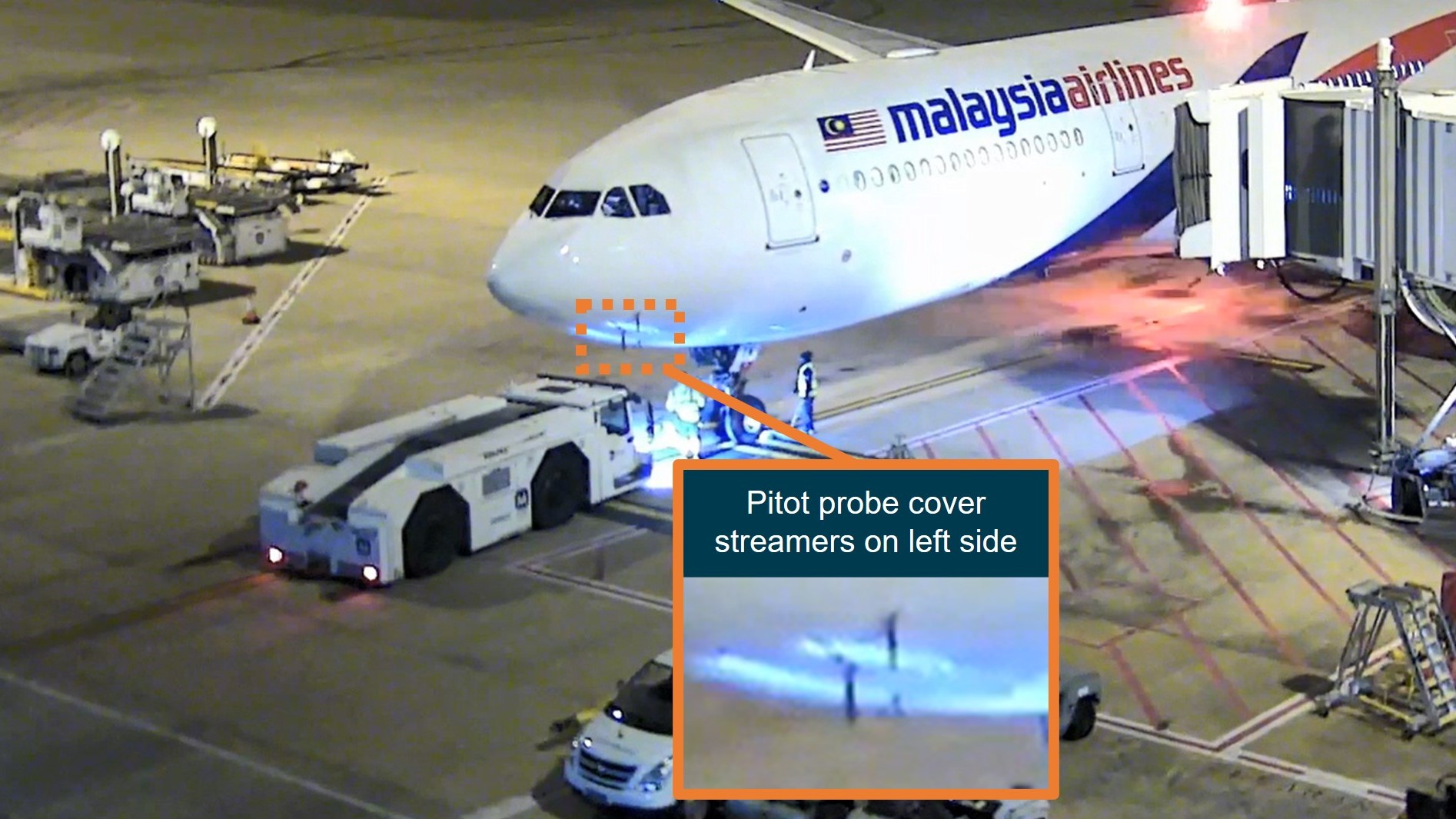
Shortly after the aircraft arrived in Brisbane from Kuala Lumpur on 18 July 2018, a support engineer placed covers on the aircraft’s three pitot probes (airspeed sensors) to prevent them from being blocked by mud wasps, a known hazard at Brisbane Airport.

However, during the turnaround and before the aircraft departed for the return flight to Kuala Lumpur the covers were not removed. This was despite there being requirements for multiple walk-around checks by the aircraft captain, engineer and dispatch coordinator, all intended to identify unsafe conditions such as the fitment of pitot probe covers.

Consequently, the aircraft’s primary instrument displays showed red speed flags in place of airspeed indications from early in the take‑off, and the flight crew did not respond in time for the take-off to be safely aborted.

Once airborne the flight crew climbed the aircraft to 11,000 ft where they performed troubleshooting and other procedures, including shutting down the aircraft’s air data systems. This activated a system installed on some Airbus aircraft called the back up speed scale (BUSS), which displayed a safe flight envelope for flight crew to maintain.

Using the BUSS and airspeed management procedures, and assisted by air traffic control, the flight crew brought the aircraft safely back to Brisbane.

“At first glance, it may seem puzzling why multiple checks failed to detect the fitment of the pitot probe covers, or how the flight crew could complete take-off without any valid airspeed being displayed,” said ATSB Chief Commissioner Angus Mitchell.

“This led to the ATSB undertaking one of its most substantive and complex investigations in recent years.”

Mr Mitchell said the ATSB identified safety factors across a wide range of subjects including flight deck and ground operations, aircraft warning systems, air traffic control, aerodrome charts, and risk and change management.

“The investigation illustrates how a range of individually straightforward factors can combine to nullify multiple critical safety barriers,” he said.

On the night, several individuals from different organisations had separate, key roles in detecting aircraft damage or other unsafe conditions such as the fitment of pitot probe covers. However, these checks were omitted entirely or only partially completed, for a variety of reasons including inadequate communication and reduced diligence.

“Had all the relevant pre-flight inspections been completed, and conducted thoroughly, it is very likely that the pitot probe covers would have been seen and removed,” Mr Mitchell noted.

“It’s important to treat every safety-related task or inspection as though it could be the last barrier to protect against an accident.”

Malaysia Airlines had recently reintroduced flights to Brisbane, and although the wasp risk was identified, the use of pitot probe covers was not required or controlled. Shortly after the occurrence, the ATSB issued a safety advisory notice (SAN) to operators who fly to Brisbane Airport to consider the use of pitot probe covers and, where they are used, ensure there are rigorous processes for confirming they are removed before flight.

The ATSB also uncovered a range of deeper issues, including coordination among the involved organisations, that allowed front-line problems to emerge.

“Inconsistent approaches between multiple interacting organisations can have safety implications that are hard to predict,” Mr Mitchell observed.

For flight crew, the occurrence also highlights the importance of vigilance, communications, and decision-making in adverse circumstances.

The ATSB found that surprise, uncertainty, time pressure, and ineffective communication between the two pilots during the take-off probably led to stress and high cognitive workload. This reduced their capacity to interpret the situation and make a decision early enough to safely reject the take-off.

In response, the ATSB has issued a safety advisory notice (SAN) advising manufacturers and operators of all large transport aircraft to consider what types of unreliable airspeed events can occur, how the information is presented to pilots, and what responses are the safest in different phases of the take-off and in a range of potential situations.

All of the relevant organisations have contributed to the large number of safety actions taken in response to the incident and the ATSB’s investigation. For example, Malaysia Airlines now requires the placement of a placard on the flight deck as a visual alert that pitot probe covers are in place, and has introduced improvements to its change and risk management processes.

Airbus, meanwhile, has implemented additional flight crew training standards about unreliable airspeed on take-off, added guidance to the flight crew techniques manual on the importance of airspeed monitoring on take-off, and has commenced a review of airspeed indications in A330 and other aircraft types.

The ground handling and engineering companies involved in the incident have also made system and process improvements, and the airport information provided to pilots has been amended.

“The cooperation of all involved organisations has been very encouraging, especially the amount of safety action they have undertaken,” said Mr Mitchell.

“Many safety gaps have been addressed as a result of this extensive investigation.”

Read the final report: Airspeed indication failure on take-off involving Airbus A330, 9M-MTK, Brisbane Airport, Queensland, on 18 July 2018

Redcliffe preliminary report

The ATSB has released a preliminary report from its investigation into a fatal accident involving a Rockwell International 114 light aircraft

The ATSB has released a preliminary report from its on-going investigation into a fatal accident involving a Rockwell International 114 light aircraft near Redcliffe aerodrome, north of Brisbane, on 19 December 2021.

The report, which details factual information from the investigation’s early evidence collection phase, notes that the aircraft departed Redcliffe for a private scenic flight. On board were a pilot and three passengers.

“A number of witnesses located at the airport, in other aircraft, and on the water in boats, observed the accident aircraft take off and retract its landing gear,” ATSB Director Transport Safety Dr Michael Walker said.

“A short time later, witnesses reported that the engine ran rough briefly before stopping completely.”

Another pilot reported hearing the pilot of the accident aircraft broadcast on the radio that they were returning to the aerodrome, and the aircraft was observed to make two left turns, consistent with manoeuvring back to the runway, and extend its landing gear.

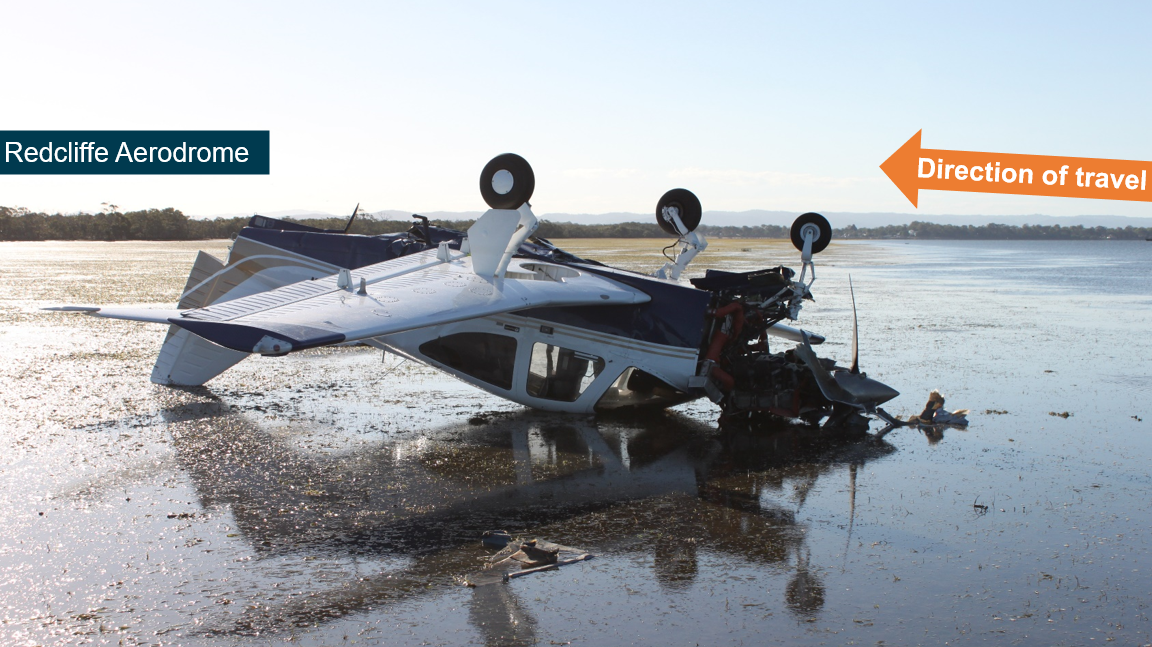
“As the aircraft neared the mangrove tree line to the north of the aerodrome, it was observed to descend and ditch into the water of a tidal mud flat, about 170 m from the shoreline,” Dr Walker said.

“During the ditching, the aircraft flipped over, coming to rest inverted in about 2 m of water.”

The pilot and three passengers were fatally injured in the accident and the aircraft was destroyed.

To date, ATSB investigators have recovered and examined the aircraft wreckage, conducted witness interviews, disassembled and examined the engine, reviewed the aircraft’s maintenance history, and examined security camera footage from the aerodrome.

“As the investigation continues, the ATSB’s investigation will include a disassembly and examination of the aircraft’s propeller, testing engine components, analysis of data recorded from onboard systems, and further analysis of available footage,” Dr Walker said.

“Should a critical safety issue be identified at any time during the course of the investigation, the ATSB will immediately notify relevant parties so appropriate and timely safety action can be taken.”

Read the preliminary report: Fuel starvation and collision with water involving Rockwell International 114, VH-WMM, 1km north of Redcliffe aircraft landing area, Queensland, on 19 December 2021

Moree spraying accident

ATSB releases Moree aerial spraying accident preliminary report

The ATSB has released a preliminary report from its ongoing investigation into a fatal accident involving an Air Tractor AT-400 aerial application aircraft during spraying operations west of Moree, New South Wales, on 4 December 2021.

The report details factual information from the investigation’s early evidence collection phase and describes the aircraft’s operations conducting aerial spraying from an airstrip on a property 80 km west-south-west of Moree.

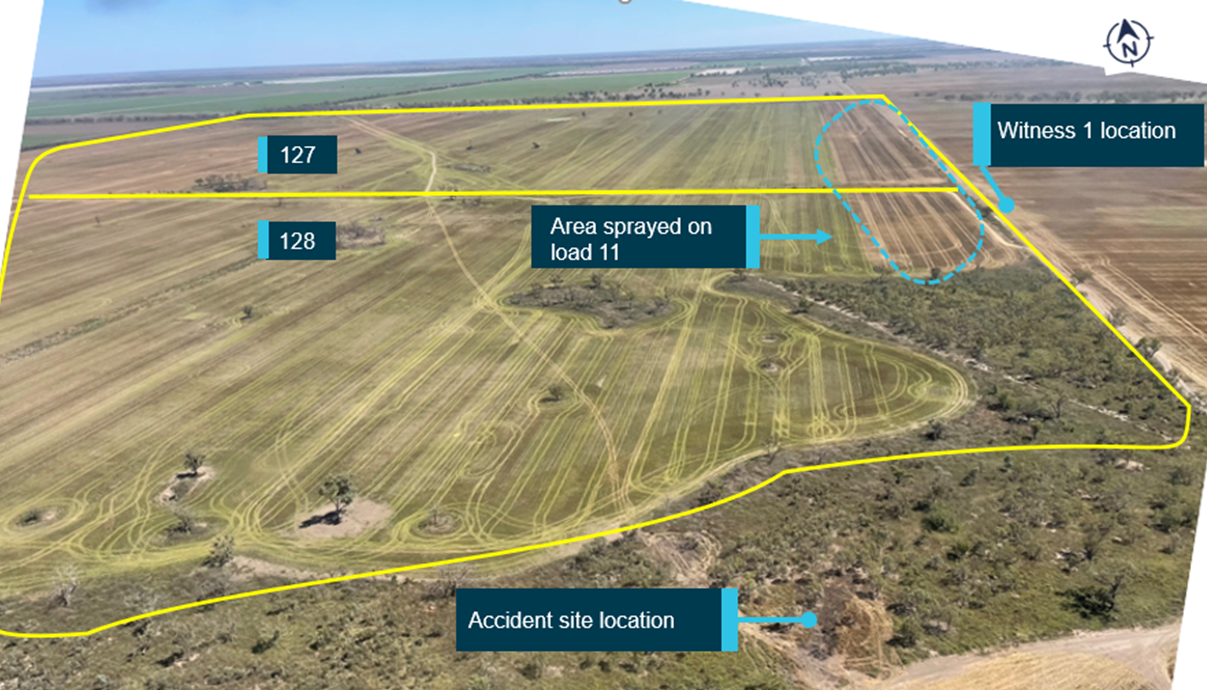
Over a period of approximately 5 hours, the aircraft took off from and landed at the airstrip, as the pilot sprayed ten hopper loads of chemical on designated areas of the property. These were sprayed using a racetrack pattern.

At 1126, the aircraft departed with the 11th load to spray an area adjacent to the property’s eastern boundary. During this flight the pilot used a back-to-back pattern, conducting a ‘procedure turn’ to reposition the aircraft on the reciprocal heading for the next spray run.

After the aircraft had completed the fourth parallel run, a witness located in the neighbouring paddock observed the aircraft enter a right procedure turn above trees.

“During the turn, the aircraft was observed to descend rapidly, right-wing down, and disappear behind the trees. The witness reported seeing a black plume of smoke rise almost immediately afterwards,” ATSB Director Transport Safety Dr Stuart Godley said.

The aircraft wreckage was subsequently located at the southern end of a stand of trees. The pilot had sustained fatal injuries and the aircraft was destroyed.

“ATSB transport safety investigators’ examination of the accident site found that the aircraft collided with terrain upright, in a slight nose down and right wing down attitude,” Dr Godley said.

“There were no powerlines in the area and there was no evidence of tree or bird strike.”

Examination of the damage to the engine and propeller blades was consistent with the engine producing power at impact. Where possible, investigators established continuity of the flight controls.

Dr Godley noted the ATSB’s preliminary report does not include any safety findings or analysis, which will be detailed in the investigation’s final report.

“As the investigation continues, the ATSB will examine electronic components recovered from the accident site, and review the pilot’s qualifications and experience, weather conditions, operational documentation and relevant regulations, and accident survivability aspects,” he said.

“Should a critical safety issue be identified at any time during the course of the investigation, the ATSB will immediately notify relevant parties so appropriate and timely safety action can be taken.”

Read the preliminary report: Collision with terrain involving Air Tractor AT-400, VH-ACQ 80 km west-south-west of Moree, New South Wales, on 4 December 2021