Air traffic controller incapacitation, Brisbane, Queensland, on 9 December 2022

Final report

Executive summary

What happened

At about 0515 local time on 9 December 2022, an approach controller for Cairns Terminal Control Unit (TCU) was found asleep at the end of their night shift by the oncoming morning shift approach controller. They were woken by the oncoming day shift manager and, after ensuring there was no traffic in the area, control was handed over to the oncoming controller. 

What the ATSB found

The ATSB determined that there were several factors that likely contributed to the controller falling asleep. These included working multiple consecutive night shifts resulting in sleep debt, in combination with time of day and very low workload. The controller also took actions that increased the likelihood of sleep. 

The ATSB also found that while there was a fatigue risk management system in place, it did not effectively identify the risk associated with working multiple night shifts based upon tactical changes to the work schedule. The ATSB also identified that the fatigue risk assessment process was not effective in identifying or managing low workload as a hazard. 

What has been done as a result

Since the occurrence, Airservices Australia has increased the overall number of air traffic controllers available, including those based in the North Queensland group. While noting this positive action, the ATSB will continue to monitor the anticipated increase in staffing numbers and provide website updates.

The Airservices ATS Fatigue Safety Assurance Group has developed additional guidance and training on the fatigue risk assessment process, including information on how low traffic situations should be treated as a high fatigue risk.

Civil Aviation Safety Authority (CASA) has introduced legislative changes to Fatigue Risk Management System (FRMS) requirements for Air Traffic Services (ATS) providers in Part 172 Manual of Standards. Airservices Australia is working with CASA to trial their existing FRMS against the new requirements and using feedback to make improvements. 

Safety message

Safety Watch logo

The ATSB SafetyWatch highlights the broad safety concerns that come out of our investigation findings and from the occurrence data reported to us by industry. One of the safety concerns is improving the management of fatigue.

Despite increased awareness across the transport sector, fatigue remains one of the most relevant ongoing concerns for safe transport. Fatigue impairment has been identified as a contributory factor in numerous aviation, maritime and rail accidents.

While this occurrence was not associated with a negative consequence, it highlighted areas for improvement in work scheduling and fatigue risk management. Operators should investigate similar events to identify and remedy deficiencies in work scheduling, fatigue risk management processes and risk controls. 

The occurrence

On 8 December 2022, an approach controller for the Cairns terminal control unit (TCU) signed on to work a scheduled night shift, between 2200–0600 local time, at the Air Traffic Services Centre in Brisbane (Brisbane Centre), Queensland. During the night shift period, the TCU was normally staffed with one controller, who was normally relieved by another (oncoming) controller at about 0515–0530.

At about 0500 on 9 December, the oncoming approach controller for the Cairns TCU position arrived at the centre to commence their morning shift. At 0515, they alerted the oncoming shift manager for aisle 3 that the night shift controller was asleep at the console. They observed that the air situation display (ASD) screensaver was on and the controller’s headset, which they were wearing, was plugged in. The controller was lying across 2 chairs with a blanket covering them. 

The shift manager woke the controller and checked the ASD. There was no indication of traffic in the airspace or alerts on the display. The approach controllers conducted a handover brief, and the oncoming controller took control of the console.

Context

Brisbane Centre

Overview

Brisbane Centre is a major air traffic control centre, operated 24 hours a day by Airservices Australia (Airservices) at Brisbane Airport. The operations room was divided into aisles, each with 2 rows of consoles. Each aisle was supervised by a manager working from a desk in the middle of the aisle (Figure 1), but during the night shift, there was no aisle manager on duty. 

A system supervisor was available for indirect supervision,[1] and they were usually located at the front desk of the centre. The system supervisor was responsible for coordinating system changes and maintenance activities for the operations room. This role included general supervisory responsibilities and, when shift managers were not rostered, indirect supervision across the aisles. In addition, an overnight operations manager was on-call, but not on site.

Controllers further reported that the Brisbane Centre building was much cooler at night than during the day, and it was considered normal practice for blankets to be needed during night shifts. Airservices advised that the temperature of the room could not be manually adjusted, and the air conditioning system was not effective at maintaining the desired temperature at night. It was also reported that the room lighting was not adjusted for the night shift.

Aisle 3 operations area

Aisle 3 included separate en route sectors Gwydir, Hastings, Capricornia, Reef and Cairns TCU, with the Cairns TCU workstations in the back right corner (Figure 1). During the night shift, each sector was staffed by one air traffic controller.  

Figure 1: Brisbane Centre aisle 3 layout

Figure 1: Brisbane Centre aisle 3 layout

Source: Airservices Australia, annotated by ATSB.

Cairns terminal control unit

The Cairns TCU position had been operating in Brisbane Centre since 2017 and the Civil Aviation Safety Authority (CASA) required the airspace to be operated 24 hours a day. Depending on the level of traffic, the Cairns TCU position could be split into multiple workstations including approach, departures, flow, Rockhampton and Mackay approach during tower hours,[2] and a Cairns shift manager during day shifts. During the night shift, the approach, departures, and flow positions were combined, and Rockhampton and Mackay reverted to a common traffic advisory frequency (CTAF).[3]

Between the hours of 0100–0530, there was generally so little scheduled traffic in the airspace that a night shift on Cairns TCU could not be counted as recency experience for the position. After 0200, on the night of the occurrence, there was one scheduled aircraft arriving and then departing Cairns Airport. This aircraft’s last contact with the approach controller was at about 0305 (Table 1).

Voice communication system 

A voice communication system was used by air traffic controllers to communicate with aircraft and other controllers. It included a headset at the console and a loudspeaker that could project sound to the aisle. When the headset was plugged into an active console, the audio could be selected for either the headset only, loudspeaker only, or the headset and loudspeaker combined. 

The approach controller reported that, at the time of the occurrence, it was selected to both headset and loudspeaker combined. They also reported wearing their headset at high volume and the audio was set to full volume on the loudspeaker.

Air situation display data 

The air situation display (ASD) key logger data and recorded radio calls were obtained for the console between 0200–0600 and are presented in Table 1. Before the controller was woken, there was 15 minutes and 23 seconds of no logged activity. Additionally, there were longer periods of time after 0200 where there was no logged activity. 

Table 1: Time of interactions from the air situation display 

Start timeEnd timeActivities recordedPeriod of subsequent inactivity
0201:570208:49Controller gave intermittent instructions to an aircraft approaching Cairns. 48 minutes and 37 seconds of no logged activity
0257:260304:54Controller communicated with another controller, then gave intermittent instructions to an aircraft departing from Cairns. 62 minutes and 45 seconds of no logged activity
0407:390407:39Controller interacted with console.20 minutes and 55 seconds of no logged activity
0428:340435:36Controller interacted with console.24 minutes and 1 second of no logged activity
0459:370459:37Controller interacted with console.15 minutes and 23 seconds of no logged activity
0515:00

-

Controller found asleep and woken.  

Approach controller information

Medical and recent history 

The controller had been working at Airservices for about 10 years and had worked on the Cairns TCU position for the previous 3 years. They held a valid Class 3 and Class 2[4] medical certificate, which had no documented history of sleep disorders. 

They reported sleeping for about 12 hours during the night starting 5 December prior to commencing the first night shift of the block of 6 night shifts (see the section titled Roster information). They estimated they obtained sleep on both of the 2 days preceding the event (6 and 7 December), between 2200–0600 and 1900–2100. They rated their sleep quality ‘7 out of 10’[5] and advised that they normally slept 7–8 hours a night. 

The controller rated their alertness at the time of the occurrence as ‘moderately tired’,[6] which they advised was relatively normal for a night shift. They recalled that they consumed their last caffeinated drink at about 1400 the previous day. They did not report feeling fatigued prior to the shift, nor to the system supervisor while on duty. 

They stated that during night shifts for the Cairns TCU position, there was no additional relief available to hand over the console for extended breaks, but it was possible and normal to take a quick break (to go to a rest room or obtain a drink) between traffic. The loudspeaker (see the section titled Voice communication system) could be used to alert other controllers in the aisle to communications while the controller was taking a quick break. 

Roster information

The ATSB obtained copies of the controller’s master roster, including records of the changes to the roster, between November and December 2022. This information is summarised in Table 2.

Table 2: Planned (strategic) and actual (tactical) work schedule[5] of approach controller in the lead up to, and shortly after occurrence

Table 2: Planned (strategic) and actual (tactical) work schedule[5] of approach controller in the lead up to, and shortly after occurrence

On the evening of 6 December, the controller commenced a block of 6 night shifts (2200⁠⁠–⁠0600). The occurrence happened on the third shift of this block (that is, the morning of 9 December). This night shift had been included in the controller’s master roster. However, as indicated in Table 2, the remaining 5 shifts in this block were the result of changes to the planned roster. The last 2 nights of this block were allocated during the day of the occurrence (but prior to the beginning of that shift).

Prior to commencing this block of night shifts, the controller had 64 hours free of duty. This followed a block of 5 shifts which commenced with one afternoon shift, followed by 4 night shifts. 

The controller was working their seventh night shift in 9 days and by the end of the block of shifts, had completed 10 night shifts in 12 days.

Fatigue analysis

A biomathematical model of fatigue (BMMF) predicts the effect of different patterns of work on measures such as subjective fatigue, sleep, or the effectiveness of performing work, using mathematical algorithms. Each model uses different types of inputs/assumptions and produces different types of outputs, each having limitations.

Airservices used the BMMF known as FAID[7] as one of its assessments of the master roster. FAID uses a 7-day rolling average to calculate sleep opportunity afforded by the work schedule. Airservices had set a nominal threshold of 80.4 as their maximum score for master rosters. 

An ATSB analysis of the controller’s roster of actual hours, using FAID, showed scores were:

  • above this threshold on 6 of the night shifts over the analysed period (Table 2)
  • on the day of the occurrence, the analysis indicated a peak FAID score of 78 and a peak Karolina sleepiness scale (KSS)[8] score of 7.7
  • the highest peak FAID score across the analysed period was 100 on the last night of the block of 6 consecutive night shifts (11 December). 

The ATSB also analysed the same roster using the fatigue avoidance scheduling tool (FAST). The auto-sleep function and a commute time of 20 minutes were applied. This resulted in: 

  • Effectiveness scores[9] that decreased over the period of 4 consecutive night shifts (30 November–3 December) reducing below 77% effectiveness for more than half of each shift.
  • During the following block of 6 night shifts (6–11 December) effectiveness scores remained below 77% for more than half of each shift.
    • During the occurrence shift, the performance effectiveness score was 70%. 

Overall, the analyses using both FAID and FAST predicted that the controller’s actual hours of work during the 6 consecutive night shifts was associated with an increasing fatigue risk.

Fatigue risk management

Fatigue risk management procedure

Airservices had a fatigue risk management procedure which outlined how the organisation identified and managed fatigue-related risks. There were several components to the system including FAID BMMF and strategic roster planning rules (SRPRs) to plan the master roster at least 45 days prior to implementation.[10] If there were changes to the master roster, tactical roster management principles (TRMP), were used to assess these changes. Airservices used work scheduling software to create the master roster and risk assess any changes.

Strategic roster planning rules

The SRPR included 12 rulesets, with 7 that constrained the number of consecutive shifts or the required rest period following consecutive shifts. These rules included:

  • The number of planned consecutive shifts was limited to 7.
  • Seven consecutive shifts had to be immediately followed by an extended rest period of no less than 58 hours.
  • Planned work hours could not exceed 54 hours in any period of 7 consecutive days (168 hours) prior to the end of each shift.
  • Blocks of shifts had to be separated by a minimum of 35 hours, including one 24-hour period, commencing at midnight.
  • A minimum of 2 extended rest periods were required in any period of 28 consecutive days (672 hours) prior to the start of each shift.
  • When 2 or 3 night shifts were present in a block of shifts they had to be consecutive and immediately followed by an extended rest period of no less than 58 hours.
  • The maximum number of planned night shifts permitted in a block of shifts was 4. When 4 night shifts were present, they had to be consecutive and immediately followed by an extended rest period of no less than 83 hours.

The master roster was published on 1 September 2022, about 3 months prior to the work being performed. The ATSB analysed the master roster using FAID, and this showed the peak FAID scores were below Airservices’ nominal threshold (80.4). Additionally, it contained blocks with a maximum of 2 night shifts and these were followed by 2 consecutive full days off (Table 2).

It was reported during interviews with controllers that the Cairns TCU master roster was regularly published with vacancies. Additionally, there were 19 controllers available but 23 were required to cover the 24 hour operational requirement. This required shift managers to regularly make tactical changes to the roster using tactical roster management principles (TRMP – detailed in the following section). 

Tactical roster management principles

Airservices advised that the purpose of the TRMP was to provide flexibility while ensuring any associated increased fatigue risk was identified and managed.

The TRMP included the following principles relevant to consecutive shifts and the rest periods following consecutive shifts:

  • The number of actual consecutive shifts should be limited to 7.
  • Seven or more consecutive shifts should be immediately followed by an extended rest period of no less than 58 hours.
  • Actual working hours should not exceed 60 hours in any period of 7 consecutive days (168 hours) prior to the end of each shift.
  • Within the 28 days (672 hours) prior to the start of each shift, there should be a minimum of 2 extended rest periods (of no less than 58 hours).
  • When 2 or 3 night shifts were present in a block of shifts they should be consecutive and immediately followed by an extended rest period of no less than 58 hours.
  • When 4 or more night shifts were present in a block of shifts they should be consecutive and immediately followed by an extended rest period of no less than 83 hours.

The changes to the roster and the future effect were automatically assessed in the work scheduling software against the TRMP. Where there was no deviation from the TRMP, the change could be accepted with no further action required. 

Where a shift deviated from the TRMP it was assigned a predicted fatigue level of low, medium or high based on scoring documented in the fatigue risk management procedure, which assigned points depending on the type and extent of deviations from the TRMP. Where the predicted fatigue level was low, the shift could again be assigned with no further action. Where the predicted fatigue level was flagged as medium or high, the shift would be flagged as requiring a fatigue assessment and control tool (FACT) process (see the section titled Fatigue assessment and control tool). The FACT process would then be used to select appropriate risk controls and assess residual fatigue potential, which then must be accepted at the appropriate level.

If more than one controller indicated they were able to take additional duties, supervisors were required to prioritise assigning additional shifts to individuals with the lowest predicted fatigue level.

The ATSB made the following observations about the tactical changes made to the controller’s roster and conducted FAID analysis of actual hours (there was no requirement for Airservices to check the changes against FAID during the tactical rostering process). These included:

  • There was a block of 8 consecutive shifts (14–21 November) which:
    • exceeded the recommended limit of 7 shifts
    • included 2 consecutive night shifts and the following extended rest period of 64 hours was greater than the recommended 58 hours
    • included 3 consecutive shifts (19–21 November) flagged with a predicted fatigue level of medium
    • the shift on 21 November had a peak FAID score of 83 which was above the Airservices limit of 80.4 used for assessing master rosters.[11]
  • The block of 5 consecutive shifts from 29 November–3 December:
    • none of the 4 night shifts were flagged with a predicted fatigue level
    • the following rest period was reduced to 64 hours (not the recommended 83 hours)
    • the last 2 nights (2 and 3 December) had peak FAID scores of 82 and 90 respectively.
  • The block of 6 night shifts from 6–11 December
    • the first shift was flagged with a predicted fatigue level of high (6 December) – the peak FAID score for this shift was 62
    • the following 3 nights were not flagged with a predicted fatigue level – the last night of this block (the night after the occurrence) had a peak fatigue score of 85
    • the last 2 shifts of the block were flagged as high predicted fatigue level – these shifts had a peak FAID score of 93 and 100 respectively which was above the Airservices limit of 80.4 used for assessing master rosters.11
  • The controller continued to work 3 night shifts after the occurrence was reported. The last 2 night shifts had been allocated during the day of the occurrence (8 December – the controller was found asleep on the morning of 9 December).
  • The occurrence did not result in changes to upcoming shifts, nor a reassessment of the FACTs already approved with a predicted fatigue level of high.
Fatigue assessment and control tool

The fatigue assessment and control tool (FACT) was embedded in the rostering system and provided:

… a means of assessing fatigue-related risk, applying appropriate controls and recording information about changes to the published work schedule/cycle. 

It was used by supervisors to assess shifts with a predicted fatigue level of medium or high. Supervisors were required to complete a FACT for a shift within 48 hours of commencement of the shift.

Fatigue risk assessment process

Shifts that were classified with a medium or high predicted fatigue level were required to be assessed in terms of the impact of situational factors that could affect fatigue, such as time of day and workload. This process was done using a combination of automatic ratings and supervisor inputs.

The work scheduling software automatically rated the time of day impact as either low, medium or high (relative to circadian rhythm). Supervisors were required to rate the expected traffic volume as either low, medium or high. Guidance associated with the procedure stated:

Traffic volume is either very low, which can result in boredom and low task engagement; or high, thereby demanding a significant increase in task engagement. These two scenarios can respectively lead to ‘under-load’ and ‘over-load’. As a consequence the fatigue potential needs to be considered as High.

A supervisor also rated traffic complexity, weather, system state and staffing levels by selecting routine, non-routine or significant. The supervisor was then required to make an overall assessment of the situational factors as negligible, moderate or significant. This rating was then combined with the predicted fatigue level rating associated with the work schedule, to give an overall initial fatigue potential rating of lower‑medium, higher‑medium or higher. 

Fatigue risk controls 

After the fatigue assessment process, supervisors were required to select from the risk controls available for individual controllers on the shift. The rostering software recorded the risk controls selected by a supervisor from a drop‑down list,[12] which were defined in the fatigue risk management procedure. Supervisors were required to ensure that the risk controls selected were available. The procedure did not require supervisors to consult with air traffic controllers on the selected risk controls.

The list of risk controls that could be selected included:

  • supplementary personnel measures (better use of existing resources, call-out of additional/replacement staff, double up staffing)
  • shift-related measures (delay start of shift, end shift early)
  • break-related measures (instruct employee to take breaks, increase frequency/length of breaks, controlled use of stand-down rooms for napping)
  • general measures (rotate/combine positions, initiate procedural process for regular two-way communications)
  • ATC-specific measures to reduce workload/complexity (metering traffic flow, airspace closure/reduced service delivery, minimise/limit any abnormal working routine)
  • post-shift measures (provision of transport home).

Following the selection of risk controls, a residual fatigue potential was derived. The residual fatigue potential determined the level of management required to accept the risk. 

Recent FACT applications

The ATSB reviewed the controller’s roster for the period from 10 November to 12 December and the associated FACT assessments for shifts with a medium or high predicted fatigue level. Records for each assessment are presented in Table 4.

Table 4: FACT records for the approach controller between 10 November and 12 December 2022

Shift Predicted fatigue levelSituational factors assessmentInitial fatigue potentialRisk controls selectedResidual fatigue potentialJustification recorded
19 Nov
1345–2215
Medium

Negligible

Lower-Medium

Instructed to take breaks

Increase frequency / length of breaks

Lower

Fully staffed allowing frequency and duration of breaks in excess of the EA.

1345 19 November

20 Nov
2200–0600
Medium

Negligible

Lower-MediumInitiate procedural process for regular two‑way communications (Operations normal) checks, especially where single staffing applies Lower

5 x staff rostered for Aisle 3 during doggo period allowing for ongoing 2-way comms between staff. Additional 2-way comms available from duty BN SS subject to other workload requirements.

18:05 20 November

21 Nov
2200–0600
Medium

Negligible

Lower-Medium

Instructed to take breaks

Increase frequency / length of breaks 

Lower

Shift is a doggo shift where extra short breaks may be obtained at request. Also, very low traffic levels.

0831 21 November

6 Dec
2200–0600
High

Negligible

Lower-MediumInitiate procedural process for regular two-way communications (Operations normal) checks, especially where single staffing applies Lower

Doggo traffic. SS available for frequent monitoring and comms checks.

1305 6 December

10 Dec
2200–0600
High

Negligible

Lower-MediumInitiate procedural process for regular two-way communications (Operations normal) checks, especially where single staffing applies Lower

Doggo traffic. SS available for frequent monitoring and comms checks.

1735 10 December

11 Dec
2200–0600
High

Negligible

Lower-MediumInitiate procedural process for regular two-way communications (Operations normal) checks, especially where single staffing applies Lower

Doggo traffic. SS available for frequent monitoring and comms checks.

1735 10 December

The assessments showed that in all instances the predicted fatigue levels were assessed as having negligible situational factors, resulting in an initial fatigue potential of lower-medium. In all 5 night shifts records for this roster, the time of day impact was rated (by the work scheduling software) as high and the traffic volume was rated (by supervisors) as low, with almost all the other aspects rated as routine.

Table 4 above also showed that the fatigue risk controls listed were to initiate procedural process for regular two-way communications and instructing controllers to take longer and more frequent breaks. Records were not able to show if these risk controls had been applied after they were documented in the work scheduling system. Timestamps from records showed that these risk controls were documented within the required 48 hours prior to shift start. There was no way to verify in the system if the risk controls selected were applied. During interviews with supervisors, they described the FACT administration process as a ‘tick box’ exercise because they had lots of shifts to fill and found it difficult to understand how the work scheduling system scored fatigue risk for some shifts, and not others. They further noted they had a low trust in the system because it seemed inconsistent with how employees felt compared to the predicted fatigue levels.

Previous fatigue risk management audits

Airservices provided copies of assurance and audit activities conducted on its fatigue risk management system (FRMS) between 2019 and 2023. Of these activities, an assurance report from 2023 focused on the effectiveness of the FACT process, and the design and application of additional risk controls for air traffic controllers. This report contained several findings, including evidence that:

  • Feedback from some end users suggested that resourcing levels in some areas had prevented the creation of a master roster where all SRPRs could be met. This situation meant that there was reliance on tactical roster changes to fill the gaps.
  • The number of FACTs requiring completion had significantly increased in 2022 compared to 2017, 2018 and 2019.[13] In addition, the number of staff had decreased over this period. On average, this situation resulted in the increased frequency of staff members working shifts with an elevated fatigue risk level.[14]
  • When assessing the actual fatigue experienced by staff compared to the FACT risk level predictions, inconsistencies were noted where the FACT process predicted high fatigue levels when none was experienced, or it failed to predict fatigue when someone was actually feeling fatigued. Although, it was noted that the system’s high fatigue risk prediction was the most accurate.
  • The same or similar risk controls were applied to manage risks with different fatigue risk profiles, most likely due to the availability and suitability of risk controls. Increasing the frequency/length of breaks and instructing employees to take breaks were the most commonly used risk controls.
  • Once a FACT had been approved it was difficult to amend if the risk profile or controls were required to be changed.
  • There were no constraints imposed by the Fatigue Risk Management System on the number of shifts with medium or high predicted fatigue levels that an air traffic controller could perform across a period of time.
  • End user feedback suggested that there were instances where risk controls were selected but not applied in practice. In addition, sometimes risk controls such as ‘Instruct staff to take breaks’ were listed as an additional control, when they were normal practice. Feedback on controls listed for night shifts such as ‘initiate procedure for two-way communication’ were noted to not be effective in preventing fatigue. 

Fatigue management personnel from Airservices noted that while the tactical processes for assessing risk could detect factors that affected acute fatigue, it was probably less sensitive to cumulative fatigue that could build up over a period of weeks.  

Administration manual

Airservices had a National Air Traffic Services (ATS) Administration Manual that outlined procedures used across all ATS operational and support units. It noted that, to improve mental alertness and help reduce fatigue during low workload, staff were permitted to perform some non‑operational activities, such as reading (including using non-transmitting electronic devices) or paper-based puzzles. The controller was aware of these strategies listed in the procedure.

Similar events

A search of the Airservices incident database in the last 5 years using the key words ‘sleep’ and ‘asleep’ showed there were no similar reported events for Brisbane Centre. Rostering data also revealed there were 6 occasions between 6 October 2022 and 5 April 2023 where en route or approach controllers worked 5 or more consecutive night shifts at Brisbane Centre. In addition, there were 10 occasions between 1 June 2022 and 31 May 2023 where 4 consecutive night shifts were not followed by the recommended 83 hours rest.

A search of ATSB REPCON final reports from 2016 concerning air traffic controller fatigue risk management identified 5 reports, however these were not specific to rosters for Cairns TCU, or Brisbane Centre Aisle 3 (which did not have single-person night shifts):

  • RA2023-00003 – Staffing levels at Sydney TCU
  • RA2022-00045 – Sydney TCU staffing and operational concerns
  • RA2022-00053 – Use of TRA, short break and ECE procedures mitigate shift shortages and breaks
  • AR201700058 – Controller fatigue in Melbourne Centre during single-person night shifts
  • AR201600052 – Fatigue at the Southern Control centre during one-person night shift

Safety analysis

Introduction

This analysis will initially discuss the factors that led to the controller falling asleep at the workstation. It will also outline how, likely due to a lack of resources, the fatigue risk management system (FRMS) used by Airservices Australia (Airservices) did not effectively identify or manage cumulative fatigue arising from changes to the work schedule. The effectiveness of Airservices’ fatigue assessment and control tool in identifying and managing the risk of low workload will also be considered. 

Sleeping at the workstation

Just prior to the shift handover, the approach controller was found to be asleep at the workstation while responsible for the Cairns TCU airspace. Data from the air situation display (ASD) indicated there had been no interactions with the system for approximately 15 minutes prior to the controller being found. However, the ATSB could not determine specifically when the controller had fallen asleep, nor how long they had been asleep during that time. There were 5 other periods after 0200 of no logged activity, where sleep could also have been obtained, noting there may also have been other reasons for no logged activity. 

When the controller was found asleep, there was no traffic in the Cairns TCU airspace, which was usual for that time of day. Additionally, there were no scheduled flights until after the night shift ended nor any regular situations where Cairns TCU would be directly contacted by a flight crew without first speaking with Cairns Tower or other en route sectors. In the unlikely event that a transmission did come through, the approach controller had selected the volume of the headset to full, and the loudspeaker to on, to ensure they would be alerted or other controllers in the aisle would hear.

Nevertheless, there was still risk associated with the controller being asleep. For example, upon being woken by a radio broadcast, a controller who had been asleep could experience sleep inertia[15] and provide delayed communications, or incorrect instructions/actions. They would also likely not have been in a position to ensure safety in the event that conflicts arose from traffic infringing the airspace without a clearance.

The ATSB determined that there were several factors that contributed to, or predisposed, the controller to fall asleep in this situation. The controller:

  • was working within the window of circadian low,[16] when there was an increased biological drive to sleep
  • was experiencing very low workload[17] and not expecting this to change
  • was conducting their third consecutive night shift after a reduced rest period
  • was working their seventh night shift in 9 days
  • had obtained less than their normal sleep over the previous 48 hours.

The controller reported having 12 hours of sleep between the 2 blocks of night shifts, however the extent to which they had recovered the sleep deficit from the previous block of night shifts is unclear. Previous research has indicated that during a 16 hour rest period, where the time of rest onset is 0600, shift workers on average obtained 6.5 hours sleep (Roach & Dawson 2003). In addition, a series of 6 hours of sleep over several days is known to result in significant performance decrements (Banks and Dinges 2007). Therefore, it is likely the approach controller had accrued a sleep debt from inadequate sleep, before beginning the block of 6 consecutive night shifts. 

Even if the controller was not fatigued from multiple night shifts prior to occurrence shift, then they very likely would have been fatigued during the following shifts.

However, in addition to the sleep debt and situational factors, the controller had also undertaken practices that increased the likelihood of falling asleep. These practices included lying across 2 chairs and under a blanket, and not varying their posture regularly or undertaking activities to maintain mental alertness. 

Fatigue risk management system

Strategic rulesets and tactical principles

Airservices had a fatigue risk management system in place to identify and assess increased fatigue risk associated with managing a 24-hour roster. 

Master rosters were developed using prescribed limits of work from the industrial agreement, in combination with biomathematical modelling of fatigue (BMMF) and strategic rulesets (SRPR). The master roster could not be released outside of these parameters and was published well in advance of the shifts being worked. 

However, there was evidence that master rosters were published with gaps, and that this had been identified during Airservices’ assurance activities as an issue possibly related to staff under‑resourcing.[18] In addition, previous REPCONs highlighted that there were other rosters across Airservices that had concerns about ongoing controller shortages resulting in extended working hours, such as Sydney TCU. 

To fill the roster gaps for day of operations, changes were assessed against tactical roster management principles (TRMP) to predict if shift changes would result in controllers experiencing an increased fatigue risk. This process was mostly intended for occasional ad hoc changes to individual shifts, due to sick leave or unexpected shift changes. However, regular vacant shifts in the master roster meant that there was a reliance on the TRMP (and not the master roster) to control fatigue risks. 

The TRMP had recommendations rather than prescribed limits and shifts with a predicted fatigue level of medium or high could be worked if a fatigue assessment and control tool (FACT) was completed. 

However, there were no tactical limits in the fatigue risk management system on the number of shifts which could be allocated including night shifts.[19] As occurred in this case, a block of 5 shifts, including 4 night shifts, was followed by a block of 6 night shifts without the recommended rest period to allow the controller to recover their sleep deficit. As these changes complied with the TRMP, not all of the night shifts in the second block were flagged with a medium or high predicted fatigue score, which meant the supervisors were not alerted to the increased fatigue risk. Additionally, the controller’s work scheduling history showed that changes were being made within 2-3 days of the shift being worked, which reduced the controller’s opportunity to plan rest during their rostered time off.

There were also no limits on the number of consecutive shifts with medium or high predicted fatigue scores that could be worked. Successive indications of predicted medium or high fatigue signalled that a controller likely had insufficient opportunity to recover from a cumulative sleep deficit. However, these indications will not always accurately predict fatigue levels of an individual. Evidence from controllers revealed that predicted fatigue flags in the system did not correspond well to their own experiences, and there were times in which they felt fatigued but there was no predicted fatigue score.  

Cumulative fatigue risks were intended to be primarily managed through the master roster and occasional changes managed using the tactical roster management principles (TRMP). However, as the master roster was planned in advance, information about actual hours being worked was not being fed back into the roster development process to compare changes in fatigue risk. Consequently, the resultant risks of cumulative fatigue were not considered in the upcoming or future roster development. 

While the evidence for this investigation was centred around Cairns TCU, the fatigue risk management procedure applied to all air traffic controllers working in Air Traffic Services (ATS). 

The goal of the overall fatigue risk management system should be to favour reliance on the master roster as far as reasonably practicable. The reliance by Airserviceson the tactical system to build the work schedule meant that the protections for preventing cumulative fatigue were not being applied.

Surveillance

When an individual shift in the work scheduling software was flagged with a medium or high predicted fatigue level, the relevant supervisor was prompted to complete a FACT process to determine if additional risk controls were required. 

The ATSB determined that there were several factors that contributed to, or predisposed, the controller to falling asleep, which included working multiple consecutive night shifts. In this occurrence, the FACT process was not triggered because the controller’s shift was not flagged as having a medium or high predicted fatigue level. As no FACT was required (nor had been completed) and the controller did not report feeling fatigued, the system supervisor on duty was not made aware of the controller’s potential fatigue and so would not have had any reason to increase their surveillance of them during the shift.

Additionally, after the occurrence was reported, there was no trigger for the supervisors to review upcoming shifts, or the approved FACTs. The controller continued working 3 additional night shifts before a day off work, despite being found asleep. Analysis of the last 3 shifts showed FAID scores of 85, 93 and 100, which were all above the Airservices maximum peak FAID score used for developing master rosters. Recognising that these scores were not available at the time of the occurrence, they illustrate the fatiguing effect of the additional 3 shifts.

Fatigue assessment and control tool

Supervisors relied on the triggering of the FACT process to identify increased risk from changes to the work schedules. For night shifts, where there were no direct supervisors, the previous shift supervisor would complete the FACT before the oncoming night shift controller had started their shift. Airservices reported that there was no requirement for supervisors to consult with a controller on the selected risk controls.

During the FACT process, the supervisors were required to rate the fatigue risk associated with high or low workload through the assessment of traffic volume. Evidence from the controller’s previous FACT assessments for Cairns TCU indicated that the supervisors were assessing the low traffic volume as a low risk.

However, the guidance indicated that very low traffic volume should be rated as high. Cairns TCU was known to normally have low workload during the night. 

It was likely that the supervisors were not considering low traffic volume as an increased fatigue potential as stated in the guidance material. Rather they were considering it as a condition that facilitated more frequent or longer breaks. It is possible that this normalised the fatigue risk assessments conducted for the night shifts, such that it was not considered as a hazard. This most likely resulted in the supervisors assessing the situational factors as negligible instead of significant.

The procedure and work scheduling software list of fatigue risk controls did not include examples for managing low workload, however they were listed in the separate administration manual. Past audit and assurance activities had not identified the management of low workload as an area requiring improvement.

Changes to fatigue risk management regulations by CASA

On 1 August 2023, the Civil Aviation Safety Authority (CASA) introduced specific fatigue management requirements for ATS providers in Part 172 Manual of Standards. The standards required that by 1 September 2024, ATS providers have a Fatigue Risk Management System (FRMS) that is approved by CASA either as a trial FRMS implementation or as a final FRMS implementation. CASA informed the ATSB, on 17 May 2024, that they were in the process of reviewing the Airservices application for a trial FRMS implementation.

On 29 July 2024, Airservices Australia advised the ASTB:

We are currently working through the CASA FRMS application process. This is in progress and while we are utilising our existing FRMS, throughout the process we will look for opportunities to improve the system.

Findings

ATSB investigation report findings focus on safety factors (that is, events and conditions that increase risk). Safety factors include ‘contributing factors’ and ‘other factors that increased risk’ (that is, factors that did not meet the definition of a contributing factor for this occurrence but were still considered important to include in the report for the purpose of increasing awareness and enhancing safety). In addition ‘other findings’ may be included to provide important information about topics other than safety factors. 

Safety issues are highlighted in bold to emphasise their importance. A safety issue is a safety factor that (a) can reasonably be regarded as having the potential to adversely affect the safety of future operations, and (b) is a characteristic of an organisation or a system, rather than a characteristic of a specific individual, or characteristic of an operating environment at a specific point in time.

These findings should not be read as apportioning blame or liability to any particular organisation or individual.

From the evidence available, the following findings are made with respect to the air traffic controller incapacitation at Brisbane, Queensland on 9 December 2022. 

Contributing factors

  • Due to a number of factors, the Cairns terminal control unit approach controller fell asleep while at their workstation. These factors included the time of day (about 0500), very low workload, a roster pattern with multiple consecutive night shifts and the controller engaging in practices that increased the risk of falling asleep.
  • The controller had been working multiple night shifts with reduced extended rest periods, which likely reduced their ability to obtain restorative sleep. This increased the likelihood of experiencing sleepiness and sleep onset while on duty.

Other factors that increased risk

  • Likely due to an underlying lack of resources within Airservices Australia, there was an over-reliance on tactical changes to manage the roster. As a result, cumulative fatigue was not being effectively managed strategically and an over‑reliance on tactical principles did not identify or manage fatigue risks arising from the work schedule. (Safety Issue)
  • Although Airservices Australia’s fatigue assessment and control tool (FACT) had the means of identifying situational factors that influenced fatigue, it had limited effectiveness as supervisors were not identifying low workload as a fatigue hazard. (Safety Issue)

Safety issues and actions

Central to the ATSB’s investigation of transport safety matters is the early identification of safety issues. The ATSB expects relevant organisations will address all safety issues an investigation identifies. 

Depending on the level of risk of a safety issue, the extent of corrective action taken by the relevant organisation(s), or the desirability of directing a broad safety message to the aviation industry, the ATSB may issue a formal safety recommendation or safety advisory notice as part of the final report.

All of the directly involved parties were provided with a draft report and invited to provide submissions. As part of that process, each organisation was asked to communicate what safety actions, if any, they had carried out or were planning to carry out in relation to each safety issue relevant to their organisation. 

Descriptions of each safety issue, and any associated safety recommendations, are detailed below. Click the link to read the full safety issue description, including the issue status and any safety action/s taken. Safety issues and actions are updated on this website when safety issue owners provide further information concerning the implementation of safety action.

Fatigue risk management system

Safety issue number: AO-2022-065-SI-03

Safety issue description: Likely due to an underlying lack of resources within Airservices Australia, there was an over‑reliance on tactical changes to manage the roster. As a result, cumulative fatigue was not being effectively managed strategically and an over‑reliance on tactical principles did not identify or manage fatigue risks arising from the work schedule.

Fatigue assessment of low workload

Safety issue number: AO-2022-065-SI-04

Safety issue description: Although Airservices Australia’s fatigue assessment and control tool (FACT) had the means of identifying situational factors that influenced fatigue, it had limited effectiveness as supervisors were not identifying low workload as a fatigue hazard. 

Glossary

ATSAir Traffic Services
ASDAir Situation Display
BMMFBiomathematical model of fatigue
CASACivil Aviation Safety Authority
CTAFCommon Traffic Advisory Frequency
FACTFatigue Assessment and Control Tool
FASTFatigue avoidance scheduling tool
FRMSFatigue Risk Management System
SPRSStrategic Roster Planning Rules
TCUTerminal Control Unit
TRMPTactical Roster Management Principles
WOCLWindow of Circadian Low

Sources and submissions

Sources of information

The sources of information during the investigation included:

  • the involved air traffic controller
  • Brisbane Centre air traffic controllers
  • Airservices Australia
  • published ATSB REPCONs

References

National ATS Administration Manual ATS-MAN-0013 Version 48 Effective 01 December 2022

Fatigue Assessment and Control Tool (FACT) Guide AA-GUIDE-SAF-0020 Version 6 Effective 21 May 2021

Air Traffic Services (ATS) Fatigue Risk Management Procedure AA-PROC-SAF-0028 Version 9 Effective 12 September 2022

En Route Supplement Australia (ERSA) Effective 15 June 2023

CASA OAR 166/22 Determination of Airspace and Controlled Aerodromes Etc. (Designated Airspace Handbook) Instrument 2022 Effective 28 November 2022

Airservices Australia (Air Traffic Control and Supporting Air Traffic Services) Enterprise Agreement 2020-2023

ICAO Fatigue Management Guide for Air Traffic Services Providers. 1st edition 2016

AIRSERVICES AUSTRALIA (AIR TRAFFIC CONTROL AND SUPPORTING AIR TRAFFIC SERVICES) ENTERPRISE AGREEMENT 2020-2023

Roach, GD, Reid, KJ & Dawson, D 2003, 'The amount of sleep obtained by locomotive engineers: effects of break duration and time of break onset', Occupational and Environmental Medicine, vol. 60, no. 12, pp. e17-e.

Banks, S & Dinges, DF 2007, 'Behavioral and physiological consequences of sleep restriction', Journal of clinical sleep medicine, vol. 3, no. 5, pp. 519-28.

Institutes for Behavior Resources Inc., 2023, 'SAFTE-FAST as a Supporting Tool for Fatigue Investigation'. https://www.saftefast.com/_files/ugd/c8faa9_7f7b509fb18940f5ab04f2cc2c46a6e3.pdf

Dean, DA, Fletcher, A, Hursh, SR & Klerman, EB 2007, 'Developing mathematical models of neurobehavioral performance for the “Real World”', Journal of biological rhythms, vol. 22, no. 3, pp. 246-58.

Submissions

Under section 26 of the Transport Safety Investigation Act 2003, the ATSB may provide a draft report, on a confidential basis, to any person whom the ATSB considers appropriate. That section allows a person receiving a draft report to make submissions to the ATSB about the draft report. 

A draft of this report was provided to the following directly involved parties:

  • the involved air traffic controller
  • Brisbane Centre air traffic controllers
  • Airservices Australia
  • Civil Aviation Safety Authority

Submissions were received from:

  • a Brisbane Centre air traffic controller
  • Airservices Australia.

The submissions were reviewed and, where considered appropriate, the text of the report was amended accordingly.

Purpose of safety investigations

The objective of a safety investigation is to enhance transport safety. This is done through: 

  • identifying safety issues and facilitating safety action to address those issues
  • providing information about occurrences and their associated safety factors to facilitate learning within the transport industry.

It is not a function of the ATSB to apportion blame or provide a means for determining liability. At the same time, an investigation report must include factual material of sufficient weight to support the analysis and findings. At all times the ATSB endeavours to balance the use of material that could imply adverse comment with the need to properly explain what happened, and why, in a fair and unbiased manner. The ATSB does not investigate for the purpose of taking administrative, regulatory or criminal action.

Terminology

An explanation of terminology used in ATSB investigation reports is available here. This includes terms such as occurrence, contributing factor, other factor that increased risk, and safety issue.

Publishing information

Released in accordance with section 25 of the Transport Safety Investigation Act 2003

Published by: Australian Transport Safety Bureau

© Commonwealth of Australia 2024

Ownership of intellectual property rights in this publication

Unless otherwise noted, copyright (and any other intellectual property rights, if any) in this report publication is owned by the Commonwealth of Australia.

Creative Commons licence

With the exception of the Coat of Arms, ATSB logo, and photos and graphics in which a third party holds copyright, this publication is licensed under a Creative Commons Attribution 3.0 Australia licence.

Creative Commons Attribution 3.0 Australia Licence is a standard form licence agreement that allows you to copy, distribute, transmit and adapt this publication provided that you attribute the work.

The ATSB’s preference is that you attribute this publication (and any material sourced from it) using the following wording: Source: Australian Transport Safety Bureau

Copyright in material obtained from other agencies, private individuals or organisations, belongs to those agencies, individuals or organisations. Where you wish to use their material, you will need to contact them directly.

[1]     Supervision involves observation of air traffic service delivery and, where necessary, supporting, intervening or directing activities within the area of responsibility. The supervisor is responsible for managing airspace and traffic to ensure safety and maximise network efficiency. This could be direct (physically present, maintains situational awareness within the immediate operating environment and holds operational command authority) or indirect (located in the operations room but may not be physically present and maintains limited situation awareness of the immediate operating environment).

[2]     Tower hours: Tower hours for Rockhampton were Monday to Friday 2030–1035 universal coordinated time (UTC), Saturday: 2030–0930 UTC, Sunday: 2100–1035 UTC. Tower hours and approach hours for Mackay were Monday to Friday: 2020–1020 UTC and Saturday and Sunday: 2020–0930 UTC.

[3]     CTAF: A designated frequency on which pilots make positional broadcast when operating in the vicinity of a non‑controlled aerodrome or within a broadcast area.

[4]     The controller was also a private pilot and had a medical certificate for both roles.

[5]     Self-rated sleep quality immediately prior to the occurrence was rated on an 11-point scale from 0 (worst possible sleep) to 10 (best possible sleep)

[6]     Self-rated alertness at the time of the occurrence was rated on a 7-point scale from ‘fully alert’ to ’completely exhausted’. ‘Moderately tired’ corresponded to point 5 on the scale.

[7]     FAID was initially known as ‘Fatigue Audit InterDyne’. It was subsequently renamed the Fatigue Analysis Tool by InterDynamics.

[8]     Karolina sleepiness score (KSS) is a 9-point Likert scale often used when conducting studies involving self-reported, subjective assessment of an individual’s level of drowsiness at the time with 9 being extremely sleepy and 1 being extremely alert. This predicted score is provided in FAID. 

[9]     Effectiveness represents speed of performance on the Psychomotor Vigilance Test, scaled as a percent of a fully rested person’s normal best performance. Effectiveness corresponds to the speed of cognitive performance, it is highly sensitive to fatigue, and correlated with many other cognitive performance metrics. The higher the score the lower the fatigue risk (Institutes for Behavior Resources Inc., 2023). 77% effectiveness corresponds to being awake for 18.5 hours continuously, and 70% is equivalent to 21 hours of continued wakefulness (Dean, Fletcher et al. 2007).

[10]    The procedure included industrial requirements that, although not part of the FRMS, did form part of the requirements for work hour limits.

[11]    Airservices FAID limit of 80.4 only applied to the strategic (master) roster and FAID was not used by Airservices in the tactical rostering process. Additionally, there was no requirement to check the changes against FAID during the tactical rostering process after the publication of the master roster. 

[12]    This list included an additional other category for supervisors to add any other applicable risk controls.

[13]    The years 2020 and 2021 were not considered due to changes to rosters through the COVID pandemic.

[14]    The relationship between staffing levels, rosters and associated fatigue levels was not analysed in this audit activity. 

[15]    Sleep inertia: Transient disorientation, grogginess and performance impairment that can occur after wakening. The

length and intensity of sleep inertia is greatest when the individual has not had enough sleep, is woken from slow-wave

sleep (non-REM stages 3 and 4) or woken during the window of circadian low (see footnote 14 below).

[16]    Window of circadian low (WOCL): Time in the circadian body clock cycle when fatigue and sleepiness are greatest and people are least able to do mental or physical work. The WOCL occurs around the time of the daily low point in core body temperature – usually around 0200–0600 when a person is fully adapted to the local time zone. However, there is individual variability in the exact timing of the WOCL.

[17]    Low workload situations lack stimulation, leading to monotony and boredom and this can potentially unmask underlying physiological sleepiness from inadequate sleep and degrade performance (ICAO 2016).

[18]    Airservices advised they had not assessed if there was a causal relationship between the decreased number of staff and the increased reliance on tactical versus strategic fatigue risk management, and the increased frequency with which the FACT process was applied.

[19]    The enterprise agreement contained industrial requirements which had a prescribed limit of 10 consecutive shifts.

Occurrence summary

Investigation number AO-2022-065
Occurrence date 09/12/2022
Location Brisbane Airport
State Queensland
Report release date 03/09/2024
Report status Final
Investigation level Defined
Investigation type Occurrence Investigation
Investigation status Completed
Mode of transport Aviation
Aviation occurrence category ANSP operational error
Occurrence class Other
Highest injury level None

ATSB recommends improving inspection requirements after 737 programming roller cartridge failure

Key points

  • Pilot of Boeing 737 noticed aircraft tended to roll to right after take-off;
  • Post-flight inspection found several components in left outboard aft flap actuation system had failed;
  • ATSB recommends improving inspection specifications to capture potential fatigue cracking in key parts of flap mechanism.

An Australian Transport Safety Bureau investigation found multiple occurrences involving fatigue cracks and failures on 737 wing flaps in a location not included in the detailed flap actuation system inspection.

The investigation stemmed from an incident involving a passenger flight from Queensland’s Gold Coast Airport to Sydney, NSW, operated on 27 April 2022 by a Virgin Australia 737-800, registered VH-YFZ.

“Immediately after take-off the pilot noticed the aircraft tended to roll to the right, and so trimmed the rudder to keep wings level,” ATSB Chief Commissioner Angus Mitchell said.

The aircraft no longer required trim when the flaps were retracted for cruise, but the issue returned when the flaps were extended for landing into Sydney.

“A walk-around inspection after the flight found the outboard aft flap on the left wing had not completely retracted, and a subsequent inspection found several components in the aft flap actuation system had failed,” Mr Mitchell said.

The ATSB determined that a pre-existing fatigue crack progressed through the aft flap’s inboard programming roller cartridge, resulting in component failure.

“The last general visual inspection had been carried out on VH-YFZ’s left outboard flap, according to Boeing’s specifications, in October 2020, and no defects were found,” Mr Mitchell said.

“While it could not be determined whether the fatigue crack was present at that inspection, 10 other instances of cracking and/or failure of the programming roller were reported to Boeing between 2017 and 2022, and at least six of these were old enough to have been inspected several times prior to failure.

“Significantly, the area in which the fatigue cracks developed was not included in the detailed inspection that Boeing specified for the flap actuation system.”

Boeing has advised the ATSB that it does not agree that this issue warrants safety action – noting that a review of prior failures showed that aeroplane-level effects were correctly mitigated by flight crews, and the affected aircraft landed without further incident.

“While the ATSB acknowledges that Boeing’s risk management program does not classify this as a safety issue, the ATSB believes the reduction in safety margins involving a passenger-carrying aeroplane, and the frequency of occurrence – particularly in the past five years – warrants safety improvement in the detection of fatigue cracking prior to failure,” Mr Mitchell said.

“A detailed inspection of the flap actuation system already exists, and while it includes the aft flap rollers, it does not include the cartridges that house them. Inclusion of the cartridges in the detailed inspection would provide the greatest opportunity for fatigue cracks to be identified prior to failure.”

Read the final report: Flight control systems occurrence involving Boeing 737-800, VH-YFZ Gold Coast Airport, Queensland, on 27 April 2022

Weather a consideration in on-going investigation of light aircraft accident west of Brisbane
Key points

  • Preliminary report details factual information established in the investigation’s early evidence collection phase;
  • Aircraft was operating under visual flight rules and was attempting to return to Archerfield from a property near Roma;
  • Weather forecast indicated that the route could be affected by low cloud, rain, fog and associated reduced visibility;
  • Witnesses recalled seeing the aircraft flying at low altitude below cloud.

The Australian Transport Safety Bureau (ATSB) has released a preliminary report from its on-going investigation into a fatal light aircraft accident west of Brisbane in August.  

On 28 August 2022, the Cessna R182 Skylane RG, operated by Executive Helicopters, was returning to Archerfield Airport from a private property north-east of Roma, with a pilot and two passengers on board, flying under visual flight rules (VFR).

When the aircraft did not arrive as expected, a search was coordinated by Airservices Australia and the Australian Maritime Safety Authority. The wreckage was located later that afternoon within the D’Aguilar Range on a steep section of wooded mountainous terrain. The aircraft was destroyed and all occupants were fatally injured.

“Today’s preliminary report details factual information established in the investigation’s early evidence collection phase,” ATSB Director Transport Safety Stuart Macleod said.

“It has been prepared to provide timely information to the industry and public, and contains no analysis or findings, which will be detailed in the final report.”

To date the ATSB has examined the accident site and wreckage, interviewed witnesses, collected meteorological data, aircraft maintenance and pilot records, and obtained flight tracking data.

The weather forecast available from the Bureau of Meteorology at the time of the aircraft’s departure indicated that the route to Archerfield could be affected by low cloud, rain, fog and associated reduced visibility.

Flight tracking data showed the aircraft attempted to pass over the Biarra Range at a low height above the ground. Shortly after, the aircraft made a 180° turn, climbed and flew to Dalby Airport where it landed and refuelled. It departed again for Archerfield 11 minutes later.

The preliminary report then details the aircraft’s flight path over the subsequent 55 minutes, during which it passed over rising terrain, mountain ridges and a hill at heights as low as 200 ft above ground level (AGL).

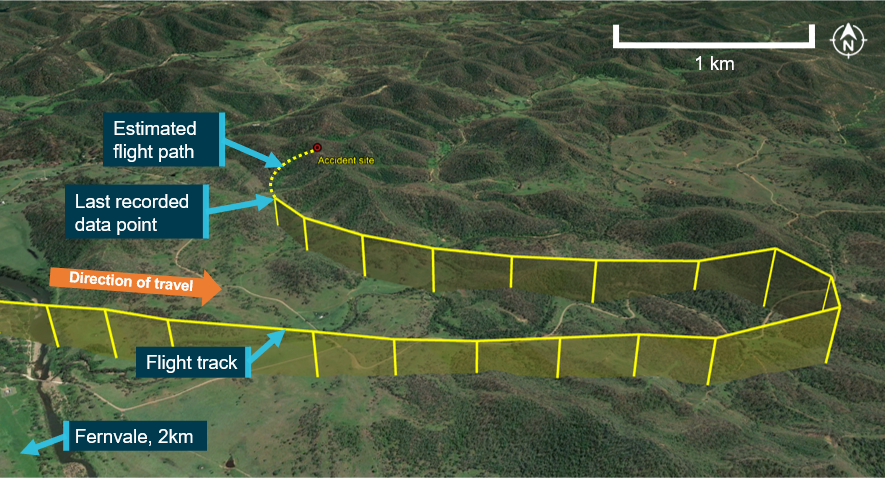
Prior to the collision with terrain, the aircraft had progressed down a valley near Fernvale, completing another 180° turn while climbing to 1,000 ft AGL. After the turn, the aircraft descended to 600 ft AGL before turning right, back towards the D’Aguilar Range. It was during this turn that the aircraft impacted terrain.

“The aircraft was equipped for flight under both VFR and instrument flight rules, and the pilot previously held an aeroplane instrument rating, but this was not current as the last renewal was completed in October 2002,” Mr Macleod said.

Several witnesses along the aircraft’s route from Dalby recalled seeing the aircraft flying at low altitude below cloud.

One witness at Fernvale reported the aircraft flying at low altitude while heading east towards the D’Aguilar Range with the wings level and undercarriage retracted, before banking left and disappearing from view as it was obscured by cloud. The witness also reported heavy low cloud, very light rain, and fog covering Fernvale and the surrounding area at the time.

The ATSB’s on-site examination indicated the aircraft’s engine was providing power at impact, with the landing gear and flaps in the retracted position. There was no evidence of an in-flight break-up or a pre-existing defect with the flight controls.

“The investigation is continuing and will include a further review and examination of pilot records and medical information, aircraft maintenance and flight records, operator procedures, meteorological data and recorded data,” Mr Macleod said.

A final report will be released at the conclusion of the investigation.

“However, should a critical safety issue be identified at any time during the course of the investigation, the ATSB will immediately notify relevant parties so appropriate and timely safety action can be taken.”

Read the preliminary report: Collision with terrain involving Cessna R182, VH-EHM 36 km north-west of Archerfield Airport, Queensland on 29 August 2022

Mentone helicopter accident

Released: Wednesday 30 November 2022

The following statement can be attributed to ATSB Chief Commissioner Angus Mitchell:

“The Australian Transport Safety Bureau (ATSB) has commenced a transport safety investigation into an accident involving a Hughes 269C helicopter at Mentone, in Melbourne’s south-east, on Wednesday. 

“The helicopter was reported to have been conducting a missed approach (go-around) procedure from Moorabbin Airport when it collided with the roof of a house. 

“As part of its investigation, the ATSB will interview the pilot and any witnesses, and obtain and review recorded data, weather information, aircraft information and maintenance records. 

“The ATSB will publish a final report, detailing contributing factors and any identified safety issues, at the conclusion of the investigation. 

“However, should any critical safety issues be identified at any stage during the course of the investigation, the ATSB will immediately notify relevant parties so appropriate safety action can be taken.”

//Ends
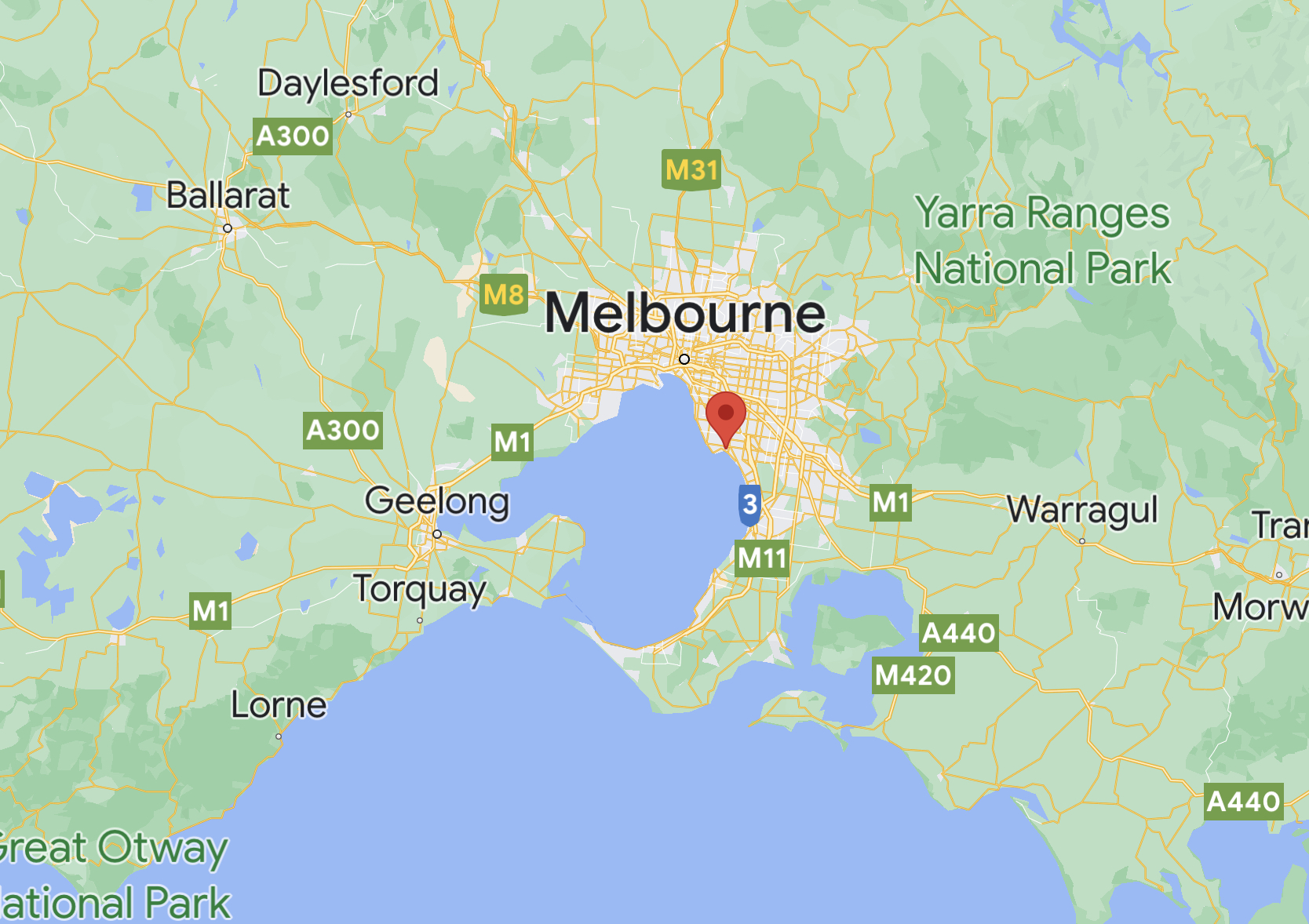
Map of accident site location.

Separation issues involving a Cessna 404 and an American Champion 8KCAB, 8 NM south-east of Moorabbin Airport, Victoria, on 3 November 2022

Brief

Occurrence Briefs are concise reports that detail the facts surrounding a transport safety occurrence, as received in the initial notification and any follow-up enquiries. They provide an opportunity to share safety messages in the absence of an investigation.

What happened

On the morning of 3 November 2022, a Cessna 404 was conducting a freight charter flight from Devonport, Tasmania to Moorabbin, Victoria, operating under instrument flight rules (IFR). While on descent at about 8 NM from Moorabbin in instrument meteorological conditions (IMC), the pilot received traffic information from Moorabbin tower air traffic control (ATC) on an American champion 8KCAB operating under visual flight rules (VFR) on a converging track, departing to the training area (Figure 1). The pilot of the Cessna 404 located the traffic on the aircraft’s traffic advisory system (TAS) and made an initial assessment that the aircraft appeared to be at about the same altitude, climbing between clouds. The pilot increased the descent rate in an effort to increase the separation between the aircraft.

The flight tracks show that both aircraft were in the descent when the Cessna 404 pilot became visual with the American champion 8KCAB. The pilot estimated the other aircraft to be about 300 ft above and slightly right of track at the point of becoming visual.

Figure 1: Image showing both aircraft tracks

Figure 1: Image showing both aircraft tracks

Source: Google earth with flightradar24 track overlays, annotated by ATSB.

Safety message

ATC provides traffic information to IFR aircraft even when operating outside controlled airspace (OCTA), however, VFR traffic operating OCTA may change locations, altitudes and intentions without informing ATC. This incident highlights the importance of establishing two-way communication with traffic in the local area and using systems such as the TAS and ADS-B to ensure separation between aircraft is maintained in reduced visibility environments. The ATSB safety study, Aircraft performance and cockpit visibility study supporting investigation into the mid-air collision involving VH-AEM and VH-JQF near Mangalore Airport, Victoria on 19 February 2020 (AS-2022-001) discusses this in more detail. In this instance, the pilot was able to utilise the aircraft’s systems to improve situational awareness and build a mental model of where the other aircraft was located to increase separation.

About this report

Decisions regarding whether to conduct an investigation, and the scope of an investigation, are based on many factors, including the level of safety benefit likely to be obtained from an investigation. For this occurrence, no investigation has been conducted and the ATSB did not verify the accuracy of the information. A brief description has been written using information supplied in the notification and any follow-up information in order to produce a short summary report, and allow for greater industry awareness of potential safety issues and possible safety actions.

Occurrence summary

Mode of transport Aviation
Occurrence ID AB-2022-017
Occurrence date 03/11/2022
Location 8 NM south-east of Moorabbin Airport
State Victoria
Occurrence class Incident
Aviation occurrence category Aircraft separation
Brief release date 16/12/2022

Aircraft details

Manufacturer Cessna Aircraft Company
Model 404
Sector Piston
Operation type Part 135 Air transport operations - smaller aeroplanes
Departure point Devonport, Tasmania
Destination Moorabbin, Victoria
Damage Nil

Aircraft details

Manufacturer American Aircraft Corp
Model 8KCAB
Sector Piston
Operation type Part 141 Recreational, private and commercial pilot flight training
Departure point Moorabbin, Victoria
Destination Moorabbin, Victoria
Damage Nil

Failure to pressurise, Beech Aircraft Corp B200T, 34 km west-south-west of Northam, Western Australia, on 27 September 2022

Brief

Occurrence Briefs are concise reports that detail the facts surrounding a transport safety occurrence, as received in the initial notification and any follow-up enquiries. They provide an opportunity to share safety messages in the absence of an investigation.

What happened

On 27 September 2022 at 0845 local time, the pilot of a Beech Aircraft Corp B200T was conducting a ferry flight from Jandakot to Kalgoorlie-Boulder, Western Australia. Prior to departure, the pilot conducted engine run-up and cabin pressurisation checks confirming serviceability. During the initial climb, the pilot conducted the after take-off checks, including to ensure the bleed air valves[1] were open and the cabin was pressurising. This was confirmed by a positive rate of climb indication on the pressurisation vertical speed indicator. Normal operation of the pressurisation system was confirmed again passing 10,000 ft on climb.

At an altitude between flight level (FL) 180[2] and FL 200, the pilot observed the illumination of the altitude warning annunciator (Figure 1) and the master warning. The pilot noticed the cabin altitude and aircraft altitude gauges matching and then observed the passenger oxygen masks in the cabin had dropped.

The pilot donned an oxygen mask and commenced an emergency descent to 10,000 ft. During the descent, the pilot was unable to get oxygen due to the oxygen mask’s microphone dislodging from its mount. The pilot increased the oxygen flow rate and conducted a return to Jandakot.

The engineering inspection revealed the door seal was not inflating correctly.

Figure 1: Pilots are alerted to pressurisation faults via an illuminated alert

Figure 1: Pilots are alerted to pressurisation faults via an illuminated alert

Source: Operator, annotated by ATSB

Pilot comments

The pilot reported feeling unwell and noted a longer than usual response time for actioning the descent.

Safety action

The operator advised the ATSB that pilots will undergo a revision briefing for pressurisation system faults and recognising the signs of hypoxia. The operator will also ensure pilots check the serviceability of oxygen masks as part of the first flight of day checks.

Safety message

This incident highlights the importance of ensuring crew oxygen masks are checked for serviceability as part of the daily inspection. This incident further highlights the importance for pilots to have a thorough understanding of the pressurisation system, in particular recognising and reacting to faults in a timely manner. The Beech B200T aircraft alerts the pilot of pressurisation faults with a visual alert only in the form of an illuminated light on the annunciator panel.

Mild hypoxia is not known to impair complex cognition but it has been found to increase fatigue and decrease vigour. Further information about hypoxia can be found in the ATSB research report Depressurisation, Accidents and Incidents Involving Australian Civil Aircraft, and in the Flight Safety Australia article Do not go gentle: the harsh facts of hypoxia.

About this report

Decisions regarding whether to conduct an investigation, and the scope of an investigation, are based on many factors, including the level of safety benefit likely to be obtained from an investigation. For this occurrence, no investigation has been conducted and the ATSB did not verify the accuracy of the information. A brief description has been written using information supplied in the notification and any follow-up information in order to produce a short summary report, and allow for greater industry awareness of potential safety issues and possible safety actions.

[1]     An automatic bleeding valve or air release valve (ARV) is a plumbing valve used to automatically release trapped air from a heating system.

[2]     Flight level: at altitudes above 10,000 ft in Australia, an aircraft’s height above mean sea level is referred to as a flight level (FL). FL 370 equates to 37,000 ft.

Occurrence summary

Mode of transport Aviation
Occurrence ID AB-2022-014
Occurrence date 27/09/2022
Location 34 km west south-west of Northam,
State Western Australia
Occurrence class Serious Incident
Highest injury level None
Brief release date 16/12/2022

Aircraft details

Manufacturer Beech Aircraft Corp
Model B200T
Operation type Part 138 Aerial work operations
Departure point Jandakot, Western Australia
Destination Kalgoorlie, Western Australia
Damage Nil

Large bird carcass found at Chinchilla aerial application aircraft accident site
Key points

  • Air Tractor aircraft was conducting spraying operations typically about 2 metres above the ground;
  • A large bird carcass, later identified as an Australian bustard, was found in the cockpit;
  • Preliminary report contains no analysis or findings but details information from the investigation’s early evidence collection phase.

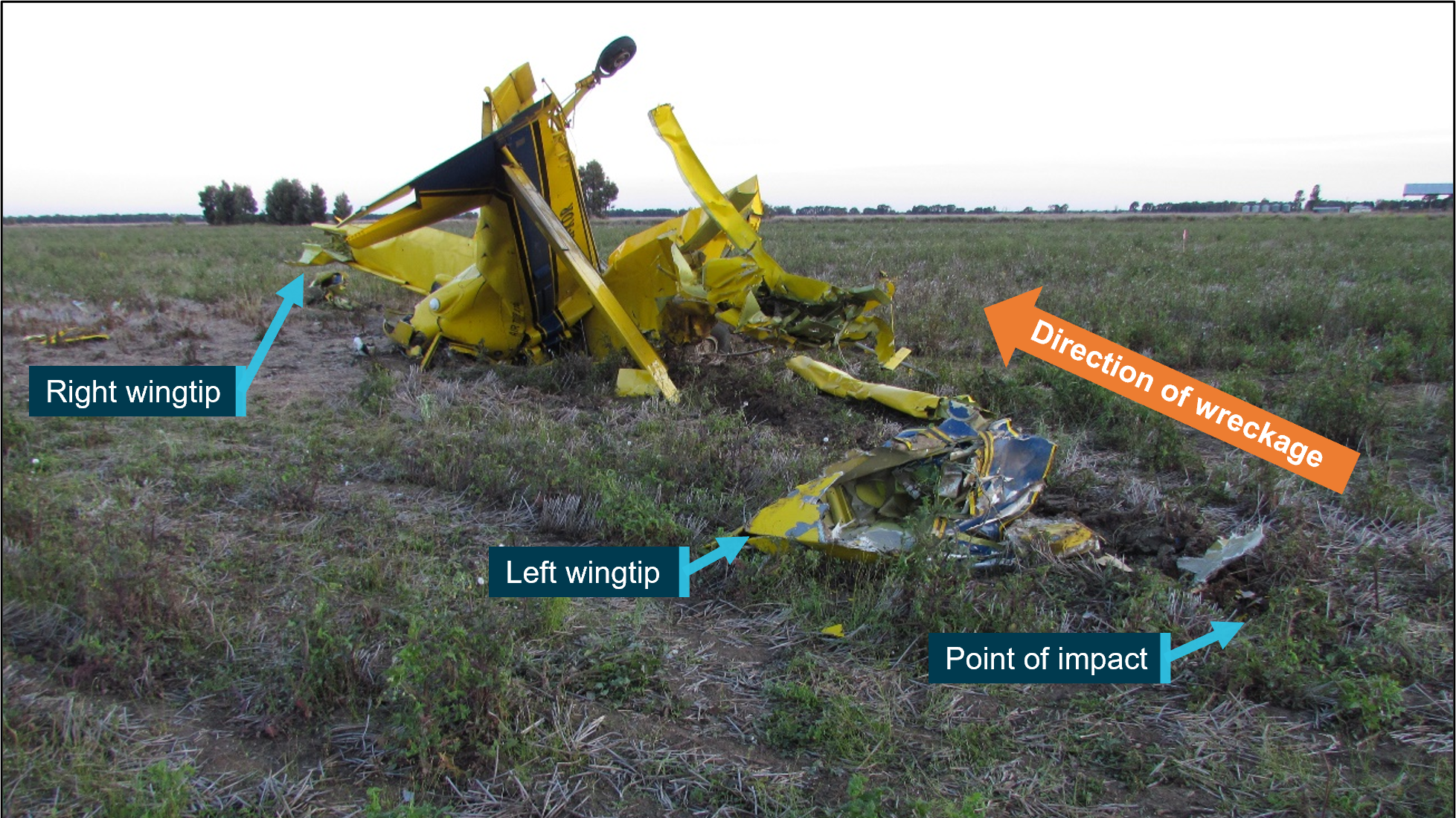
A large bird carcass was found in the cockpit of an Air Tractor aerial application aircraft which had collided with the ground during spraying operations on a property near Chinchilla, Queensland, a preliminary report from the ATSB’s on-going investigation details.

The preliminary report contains no analysis or findings but details information from the investigation’s early evidence collection phase, and notes that the Air Tractor AT-502B had been conducting spray runs on the morning of 19 September 2022.

Around 1200, the loader at the private airstrip about 24 NM (44 km) south-east of Chinchilla from where the Air Tractor had been operating attempted to call the pilot to ask whether they needed more fuel.

Concerned with having received no response, the loader phoned the operations manager, who in turn contacted nearby farmers to assist with locating the aircraft.

At about 1215, a local farmer found the aircraft in the paddock where the pilot had been spraying. The pilot was fatally injured and the aircraft was destroyed.

“An ATSB examination of the accident site found that the aircraft had impacted terrain with the fuselage in a near vertical attitude, with its propeller and engine buried in the soft earth, and the wreckage contained to a small area,” said ATSB Director Transport Safety Dr Stuart Godley.

Ground scars and damage to the left wing indicated that the wing struck the ground at about 30° to the horizontal, and examination of the propeller and engine indicated that the engine was delivering power at the time of the impact.

There was no post-impact fire.

“A large bird carcass was found in the cockpit and the bird’s wings were located about 300 m north of the wreckage, in-line with the aircraft’s track,” said Dr Godley.

Biological residue from the bird was found outside the right cockpit window.

“At the request of the ATSB, the Australian Centre for Wildlife Genomics at the Australian Museum analysed biological specimens of the bird, identifying them as being from an Ardeotis australis, commonly known as an Australian bustard or Plains turkey.”

The Australian bustard is a large bird, 80 to 120 cm in height, with an average weight for an adult of 4.5 kg, with males weighing up to 8 kg. They are capable of flying but are mostly ground dwelling.

“The aircraft operator advised that for the field where the accident occurred, they expected that it would be sprayed at a height of about 2 m (6 ft) above the ground, to be just above the weeds.”

Dr Godley noted that the investigation is continuing, and will include research into the nature of birdstrikes and similar occurrences.

“Bird strikes resulting in fatal aircraft accidents are very rare, however, the ATSB is currently investigating a separate accident where a wedge-tailed eagle bird carcass was located near the accident site of a Bell LongRanger helicopter, which experienced an in-flight break-up near Maroota, New South Wales on 9 July 2022.”

The continuing investigation into the Chinchilla accident will include further review and examination of electronic components recovered from the accident site, operational documentation and maintenance records.

A final report will be published at the conclusion of the investigation

“However, should a critical safety issue be identified during the course of the investigation, the ATSB will immediately notify relevant parties so appropriate and timely safety action can be taken,” Dr Godley said.

Read the preliminary report: Birdstrike and collision with terrain involving Air Tractor AT-502B, VH-KDR, 32 km east-north-east of Chinchilla Airport, Queensland, on 19 September 2022

Safety action taken after near miss on Sydney Trains network
Key points

  • Workers had to jump out of the path of an oncoming passenger train when a signaller incorrectly removed track protections while a freight train was being reversed into a siding;
  • Sydney Trains has taken a number of actions to address the issues identified in the subsequent transport safety investigation.

Sydney Trains has taken numerous safety actions in response to a near miss, which resulted in injuries to one rail worker, a transport safety investigation report notes.

On 8 January 2021, a Pacific National freight train with a driver, assistant driver, and trainee onboard, was travelling on the main line south toward Sydney, when it entered a steep section of track near Cowan Station and began to fail due to wheel slip.

Sydney Trains network control directed the crew to propel the train back down the slope, toward a siding at Hawkesbury River.

The assistant and trainee had to walk to the rear of the train, so they could direct the driver over radio throughout the movement. Due to the terrain, they had to walk on the opposite track throughout this procedure.

To protect the workers, the Sydney Trains signaller applied rail signals to prevent another train from entering the section of track, while the assistant driver and trainee were walking to the rear of the train.

When the driver reported the movement was beginning, the signaller removed the protection from the track. The signaller was not familiar with the terrain or the scenario and mistakenly believed the workers were clear of the track.

This meant a passenger train was allowed to enter the section where the workers were walking.

Seeing the lights of a train approaching, the assistant driver and trainee both jumped clear to an adjacent cess area, with one sustaining an injury.

An investigation by the Office of Transport Safety Investigation (OTSI), which conducts rail investigations in NSW on behalf of the Australian Transport Safety Bureau, detailed a range of contributing factors, safety issues, and safety actions that have been taken as a result of the incident.

“Training and competence management regimes for rail safety workers need to provide relevant and meaningful content, such as scenario-based training and site-based network familiarisation, to allow workers to perform safely and effectively,” OTSI Chief Investigator Dr Natalie Pelham said.

“The Sydney Trains signaller and the driver of the train did not observe the requirements of the relevant Train Working Network Rules and Procedures for protecting workers on track with in-service rail traffic.”

The investigation also notes Sydney Trains’ assurance and audit processes for signal box management had failed to detect non-conformances to procedure in the past.

“In this case, the signaller did not report this incident as per the relevant rule – it was only noted when the trainee worker reported their injury,” Dr Pelham said.

“To provide confidence that rules and procedures are being followed and they are effective in managing relevant risks, rail operator assurance processes need to detect non-conformances.”

As a result of this incident, Sydney Trains has taken a range of actions, including re-introducing safety refresher training for signallers, providing signallers with a pair of Safe Tracks alerts, a new Operating Instruction for propelling movements at Cowan Bank, a communications cue card, and an e-learning course on the use of the relevant Network Rule.

The operator has also instructed all signallers to report each use of the relevant Network Rule to their line manager, and all line managers have been instructed to submit an audio compliance request for all reported uses for review.

Read the final report: Safeworking irregularity and near miss with crew of train 5936, at Hawkesbury River, New South Wales, on 8 January 2021

Ship’s fittings in poor condition prior to loss of 50 containers off Sydney

Key points

  • ATSB found fixed container securing arrangements on APL England were in poor state of repair and corroded, prior to loss of 50 containers in heavy seas off Sydney;
  • APL has reviewed and repaired container fittings on APL England and across the rest of its container fleet;
  • APL has implemented safety action regarding passage planning and navigation in bad weather; procedures were not followed during this incident.

A final report into the loss of containers from a ship off Sydney in 2020 notes the importance of vessel fixtures being regularly maintained to ensure they are secure and stable.

Container ship APL England was making way down the east coast of Australia on 24 May 2020 when, in adverse weather, it underwent a series of heavy rolls that resulted in the loss of 50 containers overboard, and shutdown of the main engine.

The Australian Transport Safety Bureau’s investigation found the ship’s fixed container securing arrangements on deck were in a poor state of repair and the strength of many securing fixtures was severely reduced by corrosion.

“Our investigators found this condition would have taken several years of poor maintenance to develop,” ATSB Chief Commissioner Angus Mitchell said.

“This showed the ship had not received the scrutiny from crewmembers, shore management, or other agencies that a ship of its age or condition required.”

In addition, the investigation found procedures for adverse weather were not followed.

“Had these procedures and associated assessment tools been used, navigational and operational decisions could have been made, which would have better prepared the ship for the conditions encountered,” Mr Mitchell said.

Since the incident, fixtures on the APL England were repaired, and deck and container fittings on all other vessels in the APL fleet were inspected and repaired as required.

APL also implemented additional safety action regarding planning and navigation in heavy weather.

“This incident should be a reminder to all ship masters and crews of the importance of adhering to the cargo securing manual, and of following specific procedures and guidance material ahead of – and during – adverse weather,” Mr Mitchell said.

Mr Mitchell also welcomed an update in July 2022, from shipping classification society DNV, to include a new section in the relevant Class Guideline providing requirements on the allowable wear and tear of container supporting structures and container securing equipment.

Read the final report: Loss of containers overboard from APL England, 46 NM south-east of Sydney, New South Wales, on 24 May 2020