Taxiing collision involving an ATR 42, Pormpuraaw Airport, Queensland, on 16 April 2020
Brief
| Occurrence Briefs are concise reports that detail the facts surrounding a transport safety occurrence, as received in the initial notification and any follow-up enquiries. They provide an opportunity to share safety messages in the absence of an investigation. |
What happened
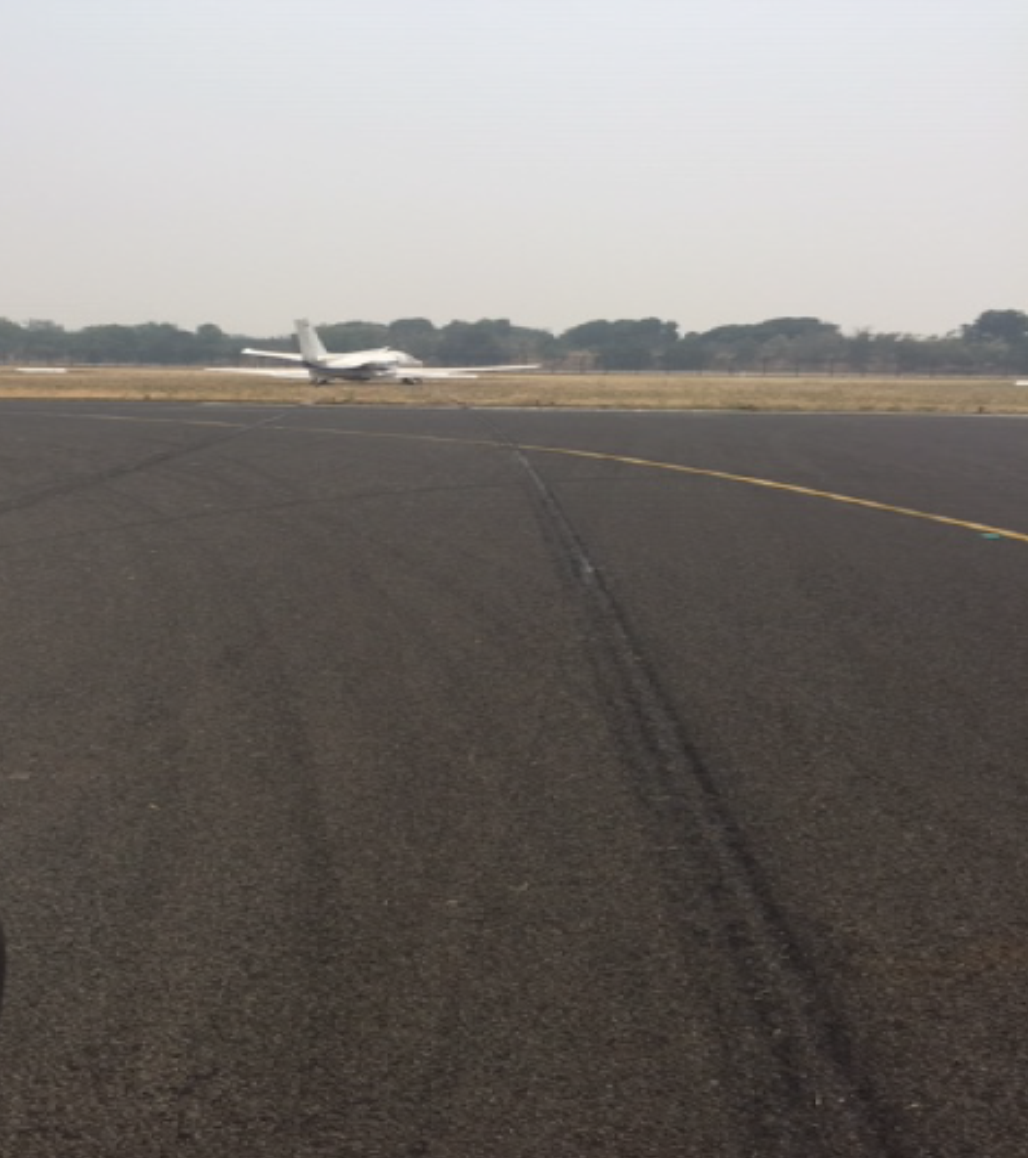
On 16 April 2020 at about 1300 Eastern Standard Time, an ATR 42-300 was taxiing to park on the apron at Pormpuraaw Airport, Queensland (Figure 1). The pilot of the ATR was aware that a de Havilland DHC-8 was due to arrive and with this in mind, was manoeuvring the aircraft to allow sufficient clearance for the parking of both aircraft on the limited apron area available.
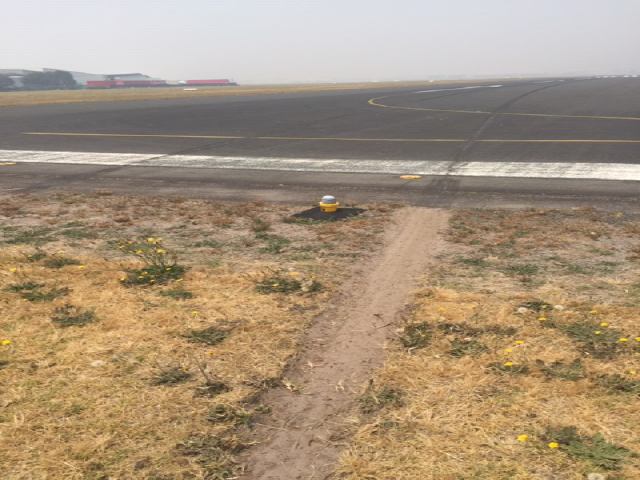
During the manoeuvre, the right wingtip contacted a frangible flood light pole situated on the perimeter of the apron. The light pole gave way as designed. Initial contact was with the aircraft’s right navigation light’s perspex cover which cracked and became dislodged. Upon further inspection, a small dent was also identified on the leading edge of the right aileron control horn.
Figure 1: Pormpuraaw Airport, Queensland
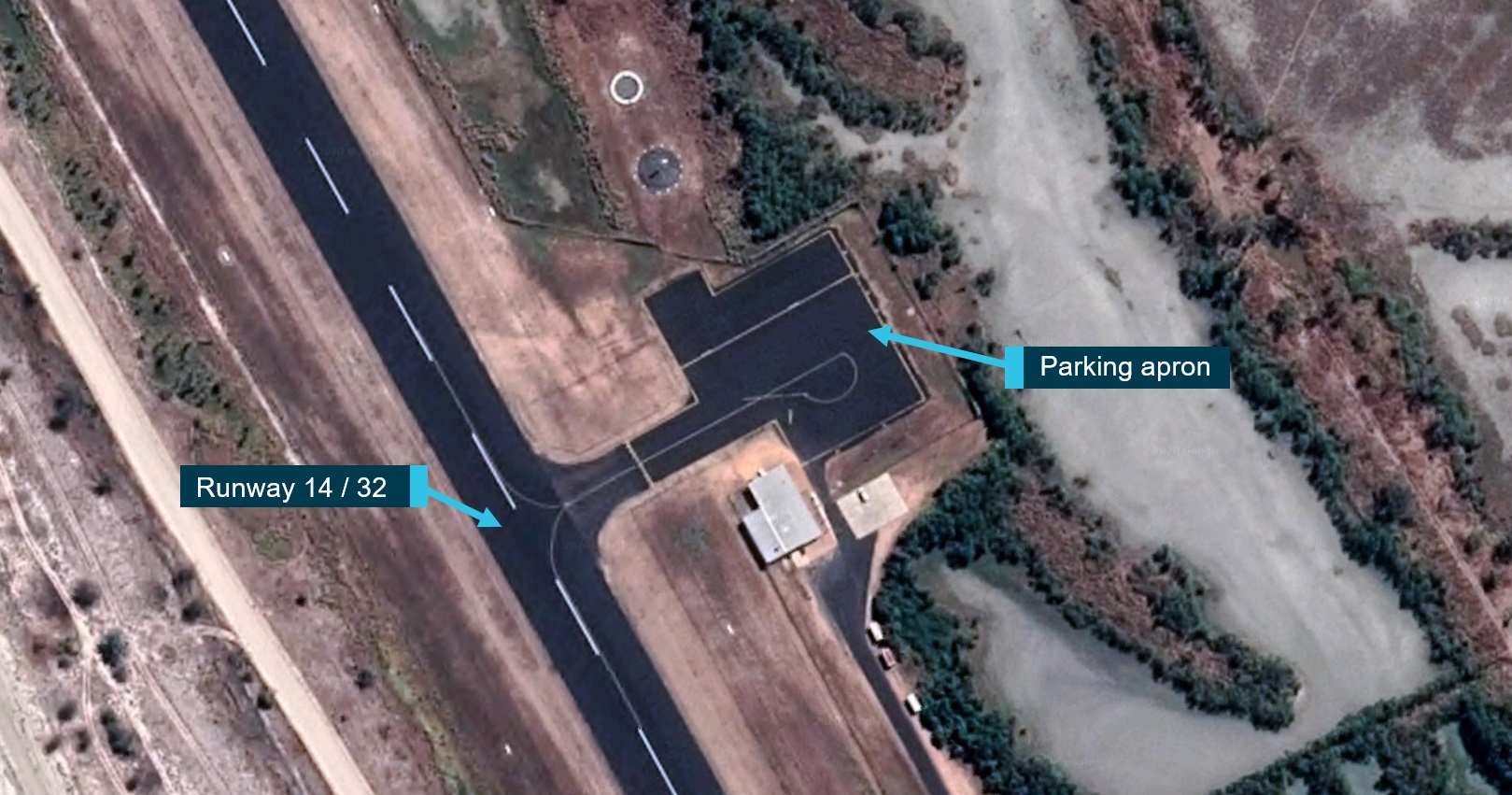
Source: Google Earth, annotated by the ATSB
Safety message
This incident reinforces the importance of maintaining situational awareness and a good lookout while taxiing, particularly in circumstances when the manoeuvring area available is restricted or confined by infrastructure or other obstacles.
About this report
Decisions regarding whether to conduct an investigation, and the scope of an investigation, are based on many factors, including the level of safety benefit likely to be obtained from an investigation. For this occurrence, no investigation has been conducted and the ATSB did not verify the accuracy of the information. A brief description has been written using information supplied in the notification and any follow-up information in order to produce a short summary report, and allow for greater industry awareness of potential safety issues and possible safety actions.
Occurrence summary
| Mode of transport | Aviation |
|---|---|
| Occurrence ID | AB-2020-013 |
| Occurrence date | 16/04/2020 |
| Location | Pompuraaw Airport |
| State | Queensland |
| Occurrence class | Incident |
| Aviation occurrence category | Taxiing collision/near collision |
| Highest injury level | None |
| Brief release date | 18/05/2020 |
Aircraft details
| Manufacturer | ATR-GIE Avions de Transport Régional |
|---|---|
| Model | ATR 42-300 |
| Sector | Turboprop |
| Operation type | Charter |
| Destination | Pormpuraaw Airport, Queensland |
| Damage | Minor |