Fumes

Fumes event involving Cessna 404, VH-LAD, near Moranbah, Queensland, on 11 April 2024

Final report

Report release date: 24/10/2024

Executive summary

What happened

On 11 April 2024, a Cessna 404 Titan was being operated on an aerial survey flight north of Emerald, Queensland, with 3 crew members onboard. During the survey run, the crew was affected by fumes inside the cabin and chose to return to Emerald. At 1538, the aircraft landed successfully at Emerald Airport, where all 3 crew members received medical treatment for impairment symptoms. The aircraft was temporarily withdrawn from service for examination.

What the ATSB found

The ATSB found that operating crew members were all affected by fumes in the cabin and, possibly due to the associated impairment, the pilot returned the aircraft to Emerald rather than diverting and landing at a closer alternate airport. Despite extensive ground and in‑flight examination after the occurrence, the source of the fumes could not be established.

What has been done as a result

On 30 April 2024, the operator issued a mandatory requirement for all pilots on all flights – including those below flight levels – to secure the onboard oxygen equipment within seated reach of the pilot-in-command. As an additional risk control, the operator also required photographic evidence of this to be forwarded to the Head of Flight Operations (HOFO) prior to departure. 

On 2 May 2024, the operator issued guidance to all pilots via Notices to Aircrew (NOTACs) regarding the circumstances in which oxygen should be used in‑flight. The operator recommended that supplementary oxygen be used in the following circumstances:

  • discharge of a fire extinguisher in aircraft cabin
  • smoke or fumes in cabin
  • suspected CO in cabin
  • any other occasion where oxygen may assist the health or wellbeing of a crew member. 

Pilots were also advised to follow existing standard operating procedures and conduct a precautionary landing as soon as possible in the event of smoke, fumes, or gas in the cabin. This guidance was also incorporated into the operator’s emergency training modules.

Safety message

Fumes and airborne contaminants can result in the rapid onset of incapacitation that significantly affects crew decision‑making, communication and aircraft handling ability. The degree of physical or cognitive incapacitation can also vary widely between individuals, which may make it difficult to detect and respond to fume events.

Operating crews should therefore be alert to the potential hazards posed by odours and fumes and not hesitate to use supplemental oxygen and all other available means to ventilate the cabin. It is also important to be aware of alternate airports en route, and consider diverting to reduce the airborne exposure time. Crews should also communicate the presence of fumes, and any symptoms being experienced, to air traffic control at the first available opportunity as this will maximise the assistance available to crews both in the air and on the ground.


The investigation

Decisions regarding the scope of an investigation are based on many factors, including the level of safety benefit likely to be obtained from an investigation and the associated resources required. For this occurrence, a limited-scope investigation was conducted in order to produce a short investigation report, and allow for greater industry awareness of findings that affect safety and potential learning opportunities.

The occurrence

On 11 April 2024, a Cessna 404 Titan was being operated by Aero Logistics on an aerial survey flight north of Emerald, Queensland. The flight was being operated under visual flight rules,[1] with one pilot and 2 task specialists operating the survey equipment. At 1317 local time, the aircraft departed Emerald Airport to the north-east before turning towards Moranbah and climbing to an altitude of 5,000 ft (Figure 1).

Figure 1: Survey area location and recorded flight path between Emerald and Moranbah
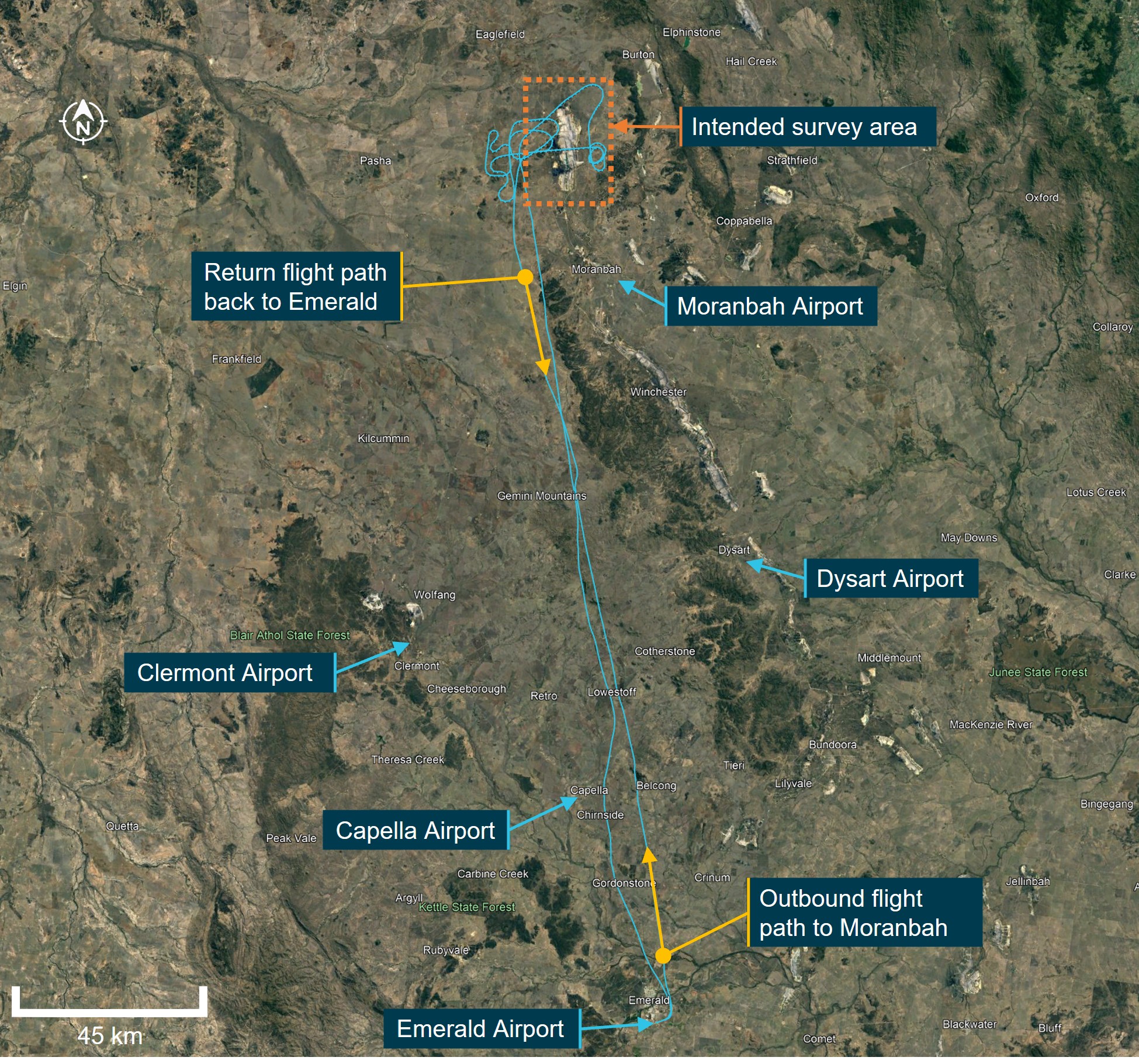
Figure 1: Survey area location and recorded flight path between Emerald and Moranbah

Source: Google Earth and operator ADS-B data, annotated by the ATSB.

At around 1349, the aircraft approached the Moranbah area and was descended to 4,000 ft to begin the first survey run. This required the aircraft to maintain a constant altitude and speed while travelling along specific parallel ‘lines’ overhead the target area as instructed by the task specialists. Approximately 20 minutes into this run, all 3 crew members started to notice a sporadic smell in the cabin, although their recollection of the smell differed.

The pilot advised that, as the flight progressed, they noticed that they had increasing difficulty setting the aircraft up and aligning it correctly. One of the task specialists also began to feel affected by the fumes, and at 1449 the pilot cancelled the survey and commenced a return to Emerald Airport. The first task specialist moved to the rear of the aircraft due to the extent of their respiratory symptoms. The second task specialist was not experiencing any symptoms at this stage, and repositioned to the cockpit to assist the pilot if needed.

Return to Emerald

During the return to Emerald, the crew opened the windows, vents, and cabin door to ventilate the cabin. They also disconnected the survey equipment and checked several aircraft systems, including ensuring that the autopilot was selected off, in an attempt to control or reduce the fumes. None of these measures resulted in any improvement, and the pilot and task specialists reported experiencing worsening symptoms as the flight progressed, but the nature and extent of these symptoms varied between each person. Although several diversionary airports were available en route, the pilot chose to continue to the base at Emerald.

Approximately 15 minutes from Emerald, the pilot considered conducting a precautionary landing in a field, due to worsening symptoms. They initiated a descent, and made a broadcast to Brisbane Centre, advising they were ‘landing somewhere in a field hopefully’.

Recorded flight data showed that, during this descent, the aircraft reached a maximum descent rate of 2,664 ft/minute. The pilot levelled the aircraft off at around 2,200 ft, approximately 14.5 km north‑east of Capella Airport. However, the pilot did not consider a diversion to Capella at that time. The pilot advised that they had managed to get some fresh air and decided to continue.

Several minutes later the pilot observed that the trim wheel started what they assessed as an uncommanded nose down input, and that ‘the autopilot was actually now trying to push us into the ground.’ In response, the pilot asked the task specialist seated beside them to hold the trim wheel, which rectified the issue. The task specialist confirmed that the trim wheel was moving but that they did not require significant force to stop it. They also advised that it was possible the pilot accidently activated the electric trim switch on the control column.

Landing 

The pilot advised air traffic control that they were experiencing fumes in the cabin, but they did not mention any control issues with the aircraft. They declined an offer for emergency services on arrival, and no MAYDAY[2] or PAN PAN[3] calls were heard or recorded by air traffic controllers at any point during the flight. The pilot continued to Emerald where, after confirming the wind direction on their electronic flight bag, and informing other traffic of their intentions, tracked for a right base leg of the circuit for runway 24,[4] and landed at 1538.

Although the pilot had not requested emergency services, the Brisbane Centre controller called the aerodrome reporting officer (ARO) at Emerald Airport to advise them of the aircraft’s approach. The ARO then called emergency services at around 1530, and several Queensland Fire and Emergency Service (QFES) appliances were waiting at the parking bay when the aircraft landed. The crew was able to disembark unassisted, but one task specialist exited the aircraft and lay down on the grass next to the aircraft due to nausea. The second task specialist reported having a headache towards the end of the flight. 

The ARO did not detect any fumes or smoke when they opened the rear door of the aircraft. The operator’s chief engineer entered the aircraft and similarly could not identify any smells, fumes, or smoke inside the aircraft. QFES crews then attended the aircraft, conducting a thermal scan and gas sampling of the interior with nil results. All of the internal panels and the flooring were removed for inspection and the QFES crews did not detect any fluid leaks internally or externally, but the aircraft was isolated overnight as a precaution.

The crew was attended to by paramedics at the scene before being transported to Emerald Hospital. They were given several hours of high-flow oxygen as a standard treatment and cleared to leave hospital later that evening. Blood samples were not taken from the crew as Emerald Hospital did not have the equipment required for blood gas testing. The aircraft was temporarily withdrawn from service for additional examination and testing.

Context

Crew information

Pilot

The pilot was experienced with piston and turboprop aircraft, and possessed the relevant qualifications and competencies for the work being conducted. The pilot had several decades of experience conducting freight, passenger, and recreational flights with a number of operators across Australia and overseas. The pilot had recently joined the operator to operate their piston aircraft. The pilot had passed their most recent aviation medical examination in July 2023.

Task Specialist 1

Task specialist 1 (TS1) was experienced with aerial survey work, having worked for a number of years with the owner/operator of the aerial survey equipment installed on the aircraft. Most of their experience had been in Cessna 404 and 406 series aircraft, and they had not previously experienced fumes or smells inside the cabins of these aircraft.

Task Specialist 2

Task specialist 2 (TS2) had limited experience on the Cessna 404 and had spent most of their time on Cessna 406 and 441 series aircraft. At the time of the occurrence, they were in the process of obtaining an aeroplane pilot licence, with several hours of flight time already logged. TS2 had experienced fumes in another aircraft several years earlier caused by a fault in the air conditioning system, but had not encountered anything similar in the Cessna 404.

Response to fumes and symptoms

When the crew decided to cancel the survey run, the aircraft was around 37 km north‑west of Moranbah Airport and Emerald was around 200 km south. The pilot advised that they would have had to declare an emergency to land at Moranbah Airport, as it was a private airport, and at that stage they did not consider there was an emergency. They had also experienced a flap issue the day before with resultant fumes in the cockpit and they considered this to be a similar event.

The pilot had completed emergency response and hypoxia awareness training in November 2023 and had been issued a pulse oximeter as part of the operator’s standard induction process. The aircraft had oxygen equipment onboard and the pilot and both task specialists were trained in how to use this equipment. The task specialists confirmed that the pilot had given an emergency briefing prior to departure. They could not recall whether the onboard oxygen equipment had been mentioned specifically, however there had been no plan to fly above 10,000 ft. 

The crew confirmed that during the return to Emerald, they used a supplied pulse oximeter to assess the oxygen saturation levels in their blood several times – however, none of the crew considered using the onboard oxygen equipment. 

Aircraft information

The aircraft was a Cessna Aircraft Company 404 Titan, manufactured in 1978 and equipped with 2 Teledyne Continental GTSIO-520-M engines. It was one of 7 such aircraft in the operator’s fleet. The operator told the ATSB that these aircraft were not modified from the original Cessna 404 design apart from the floor cutouts for the survey equipment unit. This unit was placed above the fuselage cutout at the rear of the cabin and secured to the floor with the cameras and sensors facing downwards.

The survey operators would usually place aluminium tape or cardboard around the unit to seal any gaps between the unit and the cutout in the floor. The operator also confirmed that the cable routing and electrical harnesses for the equipment and aircraft systems had been arranged and routed in a standard configuration around the cutouts in the fuselage.

Maintenance information

On 10 April, the day prior to the incident, the same aircraft with the same crew was conducting similar survey runs north of Emerald. The pilot said that during this flight they experienced an uncommanded extension of the flaps to the full-down position after the flaps were extended to Flap 10. The pilot attempted to troubleshoot the problem by moving the flap lever back and forth, but the flaps did not respond to movements of the flap lever. The pilot also began to notice a smell in the cabin when the flap issue commenced, and that their airspeed was lower than expected. The pilot decided to return to Emerald, but did not advise the maintenance personnel of the presence of fumes.

An engineering inspection found that the wires on the micro-switch had detached from the flap select lever. The operator said that this inspection also found that ‘the wire hadn't touched any surrounding areas, hadn't tripped, hadn't burned or anything like that’. The wires were checked and reconnected on the morning of 11 April, and the flap lever was tested before the aircraft was released back into service that day. No flap issues were detected after this repair was made.

Following the incident flight, the operator undertook flight tests, scheduled maintenance, and strip‑down examinations of aircraft wiring and componentry, including inspections and testing of:

  • panels and flooring, which were removed to inspect for electrical wiring damage
  • the autopilot and electrical trim systems
  • around and underneath the cockpit dash and pilot side electrical panel and relay boxes
  • the battery and lighting systems
  • the heater and ventilation systems
  • the engines, including alternators and electrical looms
  • the hydraulic system
  • the nose and main landing gear bays and wiring
  • the tail interior and flight controls
  • the left and right inner wings
  • the flap coves and flight controls
  • the nose locker and wing lockers including interior lighting.

No mechanical or wiring issues that could have been related to fumes were detected. The survey operator found no wiring defects or component faults in their survey equipment unit, which was then reassembled and installed on a different aircraft. The operator also confirmed that there was a card-based carbon monoxide and a digital aural CO detector on the aircraft, and that neither of these detectors had activated during the incident flight or the test flights conducted after the occurrence. Additionally, neither the pilot nor task specialists recalled either CO monitor activating during the occurrence flight.

Environmental

Weather

Weather data was requested from the Bureau of Meteorology (BOM) for winds aloft and automated METARs[5] in the area between Emerald and Mackay. This data confirmed that visual meteorological weather conditions[6] existed, with temperatures around 25 ˚C and cloud cover[7] ranging between few and scattered up to altitudes of around 5,000 ft. These conditions were consistent for the duration of the flight. 

Bushfires and mining activity

The crew did not observe any blast fumes or mining activity in the Moranbah area during the incident flight. BOM data also confirmed no known plumes and smoke in the area. Queensland government data on mining activity and blast fumes was requested but this was not provided. The pilot did not indicate the presence of any bushfires or smoke that could have generated fumes, and TS2 stated that there were some minor grass fires in the area, but these were not in the immediate vicinity of the flight path.

The operator confirmed through post-flight testing that ground-based fumes and smells could ‘be picked up within the cabin with the environmental settings open in the venting configuration’. The operator also described a smoke smell in the cabin during the post-incident test flight when the aircraft flew directly overhead a local grass fire. However, this smell was only temporary and limited to the specific fire area and was markedly different to the smell described by the crew.

Safety analysis

During the return flight to Emerald following the onset of impairment symptoms, the crew could not identify the source of the fumes inside the cabin. Based on the available evidence, no definitive cause or source for the fumes could be established. There were no visible signs of smoke or leaks, and there were no environmental conditions that could have consistently generated fumes inside the cabin. The onboard CO detectors did not activate, and post-incident testing by QFES did not identify noxious gases or thermal hotspots. The operator was also unable to identify any faults or defects in the wiring or componentry of the onboard systems and could not replicate the fumes in test flights.

Although the decision to cancel the survey run was prudent, flying back to Emerald, rather than diverting to closer suitable airports exposed the crew to the fumes for longer than necessary and may have worsened the impact. However, this decision may have been influenced by the flap‑related incident on the previous day. In addition, although the crew was trained to use the supplemental oxygen equipment onboard, and repeatedly used the pulse oximeters, the crew did not consider using the available oxygen. 

It is probable that all the crew members were affected by the fumes, although these symptoms presented differently in each crew member. TS1, sitting at the rear of the aircraft, reported nausea and respiratory symptoms. TS2 reported experiencing a headache. The pilot did not experience any physical symptoms but may have been experiencing cognitive impairment in terms of their decision-making and aircraft handling, even though the pilot navigated and controlled the aircraft as per the established procedures and communicated effectively on the radio.

The pilot’s decision not to declare a MAYDAY or PAN PAN, or to have emergency services in attendance for the landing, may have been a result of their impaired decision‑making. Fortunately, the controller proactively initiated the emergency response by alerting the ARO.

Findings

ATSB investigation report findings focus on safety factors (that is, events and conditions that increase risk). Safety factors include ‘contributing factors’ and ‘other factors that increased risk’ (that is, factors that did not meet the definition of a contributing factor for this occurrence but were still considered important to include in the report for the purpose of increasing awareness and enhancing safety). In addition, ‘other findings’ may be included to provide important information about topics other than safety factors. 

These findings should not be read as apportioning blame or liability to any particular organisation or individual.

From the evidence available, the following findings are made with respect to the fumes event involving Cessna 404, VH-LAD, near Moranbah, Queensland on 11 April 2024.

Contributing factors

  • The operating crew was affected by fumes in the cabin and the pilot returned the aircraft to Emerald rather than landing at a closer suitable alternate airport.

Other findings

  • Despite extensive post‑occurrence ground and in‑flight examination, the source of the fumes could not be established.

Safety actions

Whether or not the ATSB identifies safety issues in the course of an investigation, relevant organisations may proactively initiate safety action in order to reduce their safety risk. The ATSB has been advised of the following proactive safety action in response to this occurrence.

Safety action by Aero Logistics

Prior to the commencement of the ATSB investigation, the operator proactively took several steps in response to the incident.

Placement of oxygen equipment

On 30 April 2024, the operator issued a mandatory requirement for all pilots on all flights – including those below flight levels – to secure the onboard oxygen equipment within seated reach of the pilot-in-command. As an additional risk control, the operator also required photographic evidence of this to be forwarded to the Head of Flight Operations (HOFO) prior to departure. 

Use of oxygen equipment

On 2 May 2024, the operator issued guidance to all pilots via Notices to Aircrew (NOTACs) regarding the circumstances in which oxygen should be used in‑flight. The operator recommended that supplementary oxygen be used in the following circumstances:

  • discharge of a fire extinguisher in aircraft cabin
  • smoke or fumes in cabin
  • suspected CO in cabin
  • any other occasion where oxygen may assist the health or wellbeing of a crew member. 

Pilots were also advised to follow existing standard operating procedures and conduct a precautionary landing as soon as possible in the event of smoke, fumes, or gases in the cabin. This guidance was also incorporated into the operator’s emergency training modules.

Sources and submissions

Sources of information

The sources of information during the investigation included:

  • the operating crew
  • Aero Logistics
  • Airservices Australia
  • Bureau of Meteorology
  • recorded data from the ADS-B unit on the aircraft. 

Submissions

Under section 26 of the Transport Safety Investigation Act 2003, the ATSB may provide a draft report, on a confidential basis, to any person whom the ATSB considers appropriate. That section allows a person receiving a draft report to make submissions to the ATSB about the draft report. 

A draft of this report was provided to the following directly involved parties:

  • the operating crew
  • Aero Logistics
  • the Civil Aviation Safety Authority.

No submissions were received.

Purpose of safety investigations

The objective of a safety investigation is to enhance transport safety. This is done through: 

  • identifying safety issues and facilitating safety action to address those issues
  • providing information about occurrences and their associated safety factors to facilitate learning within the transport industry.

It is not a function of the ATSB to apportion blame or provide a means for determining liability. At the same time, an investigation report must include factual material of sufficient weight to support the analysis and findings. At all times the ATSB endeavours to balance the use of material that could imply adverse comment with the need to properly explain what happened, and why, in a fair and unbiased manner. The ATSB does not investigate for the purpose of taking administrative, regulatory or criminal action.

Terminology

An explanation of terminology used in ATSB investigation reports is available here. This includes terms such as occurrence, contributing factor, other factor that increased risk, and safety issue.

Publishing information

Released in accordance with section 25 of the Transport Safety Investigation Act 2003

Published by: Australian Transport Safety Bureau

© Commonwealth of Australia 2024

Title: Creative Commons BY - Description: Creative Commons BY

Ownership of intellectual property rights in this publication

Unless otherwise noted, copyright (and any other intellectual property rights, if any) in this report publication is owned by the Commonwealth of Australia.

Creative Commons licence

With the exception of the Coat of Arms, ATSB logo, and photos and graphics in which a third party holds copyright, this publication is licensed under a Creative Commons Attribution 3.0 Australia licence.

Creative Commons Attribution 3.0 Australia Licence is a standard form licence agreement that allows you to copy, distribute, transmit and adapt this publication provided that you attribute the work.

The ATSB’s preference is that you attribute this publication (and any material sourced from it) using the following wording: Source: Australian Transport Safety Bureau

Copyright in material obtained from other agencies, private individuals or organisations, belongs to those agencies, individuals or organisations. Where you wish to use their material, you will need to contact them directly.

[1]     Visual flight rules (VFR): a set of regulations that permit a pilot to operate an aircraft only in weather conditions generally clear enough to allow the pilot to see where the aircraft is going.

[2]     MAYDAY: an internationally recognised radio call announcing a distress condition where an aircraft or its occupants are being threatened by serious and/or imminent danger and the flight crew require immediate assistance.

[3]     PAN PAN: an internationally recognised radio call announcing an urgency condition which concerns the safety of an aircraft or its occupants but where the flight crew does not require immediate assistance.

[4]     Runway number: the number represents the magnetic heading of the runway.

[5]     METAR: a routine report of meteorological conditions at an aerodrome. METAR are normally issued on the hour and half hour.

[6]     Visual Meteorological Conditions (VMC): an aviation flight category in which visual flight rules (VFR) flight is permitted – that is, conditions in which pilots have sufficient visibility to fly the aircraft while maintaining visual separation from terrain and other aircraft.

[7]     Cloud cover: in aviation, cloud cover is reported using words that denote the extent of the cover – ‘few’ indicates that up to a quarter of the sky is covered, ‘scattered’ indicates that cloud is covering between a quarter and a half of the sky.

Occurrence summary

Investigation number AO-2024-029
Occurrence date 11/04/2024
Location Near Moranbah
State Queensland
Report release date 24/10/2024
Report status Final
Investigation level Short
Investigation type Occurrence Investigation
Investigation status Completed
Mode of transport Aviation
Aviation occurrence category Cabin injuries, Diversion/return, Flight crew incapacitation, Fumes
Occurrence class Serious Incident
Highest injury level Minor

Aircraft details

Manufacturer Cessna Aircraft Company
Model 404
Registration VH-LAD
Serial number 4040224
Aircraft operator Aero Logistics Pty Ltd
Sector Piston
Operation type Part 138 Aerial work operations
Departure point Emerald Airport, Queensland
Destination Emerald Airport, Queensland
Damage Nil

Accredited representative to Sri Lanka Annex 13 investigation of smoke and fumes event involving Airbus A330-300, 4R-ALQ, 60 NM north-west of Melbourne Airport, Victoria, on 12 February 2024

Summary

On 12 February 2024, an Airbus A330-300, registered 4R-ALQ, departed from Melbourne, Australia to Colombo, Sri Lanka.

During climb, the crew detected smoke and fumes in the flight deck and cabin. The flight crew donned oxygen masks, carried out the smoke removal checklist, and declared a MAYDAY. The crew returned the aircraft to Melbourne and conducted an overweight landing. There were no injuries.

The engineering inspection revealed an air cycle machine (ACM) had failed, with metal debris identified in the ACM duct.

During its investigation, the Civil Aviation Authority (CAA) of Sri Lanka requested assistance and the appointment of an accredited representative from the ATSB. To facilitate this support and to provide the appropriate protections for the information, the ATSB appointed an accredited representative in accordance with paragraph 5.23 of the International Civil Aviation Organization Annex 13 and commenced an investigation under the Australian Transport Safety Investigation Act 2003.

On 18 September 2024, the CAA released the final investigation report into this accident. Accordingly, the ATSB has concluded its involvement in the investigation. The report is available from the Civil Aviation Authority of Sri Lanka here(Opens in a new tab/window).

Any enquiries relating to the investigation should be directed to the CAA of Sri Lanka.

Last updated:

Occurrence summary

Investigation number AA-2024-002
Occurrence date 12/02/2024
Location 60 NM north-west of Melbourne Airport
State Victoria
Investigation type Accredited Representative
Investigation status Completed
Mode of transport Aviation
Aviation occurrence category Fumes
Occurrence class Incident
Highest injury level None

Aircraft details

Manufacturer Airbus
Model A330-300
Registration 4R-ALQ
Serial number 1687
Aircraft operator SriLankan Airlines
Sector Jet
Operation type Part 129 Foreign air transport operators
Departure point Melbourne Airport, Victoria
Destination Bandaranaike International Airport, Sri Lanka
Damage Nil

Smoke and fumes event involving Boeing 787, N36962, 110 km east of Port Macquarie, New South Wales, on 17 April 2016

Final report

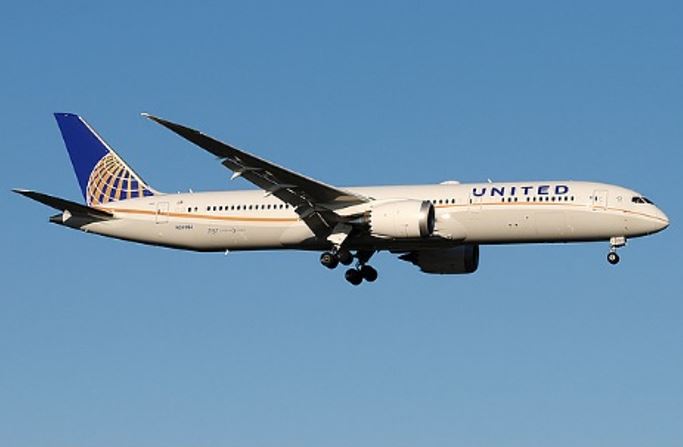
Boeing 787, N36962

Boeing 787, N3696. Source: John Richard Thomson

Source: John Richard Thomson

What happened

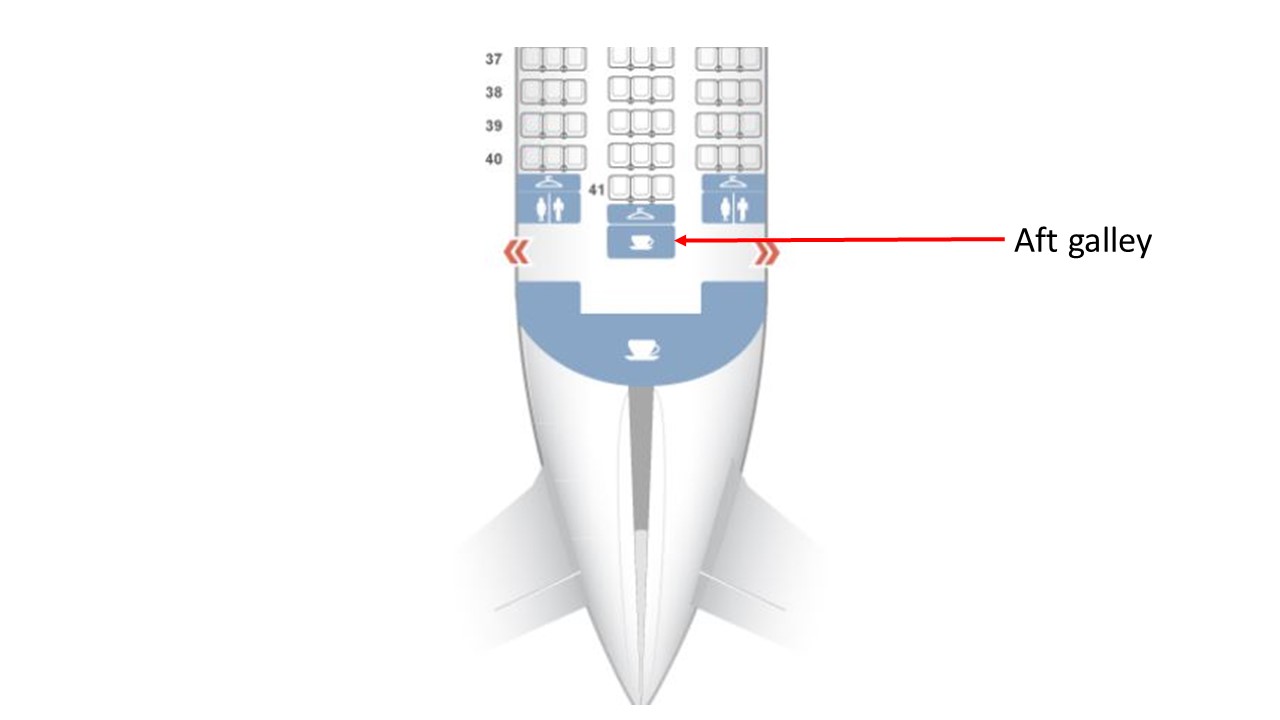
On 17 April 2016, a Boeing 787-9, registered N36962, operated by United Airlines as flight UAL870, departed Sydney, New South Wales (NSW), for San Francisco, United States. On board were 4 flight crew, 11 cabin crew and 238 passengers. During the departure, cabin crew switched on the aft galley ovens (Figure 1) in preparation for meal services.

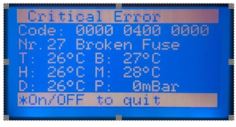
After the two ovens were switched on, there was a short burst of smoke, which set off a fire alarm in a nearby toilet for about one minute. One of the ovens displayed a “FAILURE” message. Several cabin crew detected a strong chemical odour and an electrical smell, as well as a blue haze. Other crew described it as an ozone smell. The oven interactive screen displayed a ‘Critical Error- Broken Fuse’ message.

The crew immediately pulled all relevant circuit breakers, and switched off all electrical sources to the aft galley. The inflight service manager (ISM) advised the captain. The ISM and a relief pilot from the cockpit arrived at the aft galley with fire extinguishers. By this stage, the smoke had dissipated, but the odour persisted. As it could not be confidently ascertained that the ovens were the sole source of the problem, the captain contacted the ground-based technical operations maintenance controller (TOMC) by satellite phone.

Figure 1: Rear section of a B787-9 depicting aft galley

Rear section of a B787-9 depicting aft galley

Source: SeatGuru modified by the ATSB

The discussion with the TOMC involved all flight crew and the ISM. It was agreed that the safest option was to return the aircraft to Sydney. The captain advised ATC by a PAN[1] call. ATC initiated an INCERFA[2] phase. About 110 km east of Port Macquarie, NSW, the crew commenced a return to Sydney. As the aircraft was well in excess of its allowed landing weight, fuel was dumped during the descent.

The aircraft landed without incident in Sydney at 1258 Eastern Standard Time (EST) with emergency services in attendance.

Post-incident engineering report

A post-engineering inspection quarantined the suspect oven, and after an inspection, a fuse was replaced. After appropriate testing, the aircraft was released back to service.

Boeing and the oven manufacturer investigated the cause of the ‘Critical Error’ fault displayed on the oven screen (Figure 2).

The manufacturer individually tested all oven components. They reported that all individual components worked correctly, however, an additional measurement of the oven motor current detected that the motor did not run smoothly. The motor temperature was also above normal, most likely from insufficient airflow. This known fault had been rectified with a new oven software release.

Boeing reported that the oven manufacturer is working with United Airlines to update the software in all relevant ovens in their fleet.

The exact cause of the odour could not be determined.

A second similar occurrence

United Airlines have advised the ATSB of a second similar occurrence involving another B787 aircraft. On 2 June 2016, a United Airlines B787 aircraft, N35953 experienced an electrical/heat odour in the mid B galley. The flight crew dumped excess fuel and returned safely to Melbourne. On this occasion, no emergency was declared.

Maintenance were able to isolate one oven, and confirmed the error was a broken fuse. The oven was removed and replaced, and the aircraft returned to service.

Figure 2: Error message from oven on N35953

Error message from oven on N35953

ATSB comment

As part of the investigation, the ATSB obtained reports from the flight crew and cabin crew on board during the incident.

It was evident that all emergency procedures were carried out efficiently and effectively. The captain involved all relevant crew members and the TOMC prior to making a decision to return the aircraft to Sydney.

Safety message

This incident highlights the correct management of an abnormal situation with effective crew coordination. Each crew member responded effectively and the situation was professionally managed by the captain.

Aviation Short Investigations Bulletin - Issue 50

Purpose of safety investigations

The objective of a safety investigation is to enhance transport safety. This is done through:

  • identifying safety issues and facilitating safety action to address those issues
  • providing information about occurrences and their associated safety factors to facilitate learning within the transport industry.

It is not a function of the ATSB to apportion blame or provide a means for determining liability. At the same time, an investigation report must include factual material of sufficient weight to support the analysis and findings. At all times the ATSB endeavours to balance the use of material that could imply adverse comment with the need to properly explain what happened, and why, in a fair and unbiased manner. The ATSB does not investigate for the purpose of taking administrative, regulatory or criminal action.

Terminology

An explanation of terminology used in ATSB investigation reports is available here. This includes terms such as occurrence, contributing factor, other factor that increased risk, and safety issue.

Publishing information 

Released in accordance with section 25 of the Transport Safety Investigation Act 2003

Published by: Australian Transport Safety Bureau

© Commonwealth of Australia 2016

image_5.png

Ownership of intellectual property rights in this publication

Unless otherwise noted, copyright (and any other intellectual property rights, if any) in this report publication is owned by the Commonwealth of Australia.

Creative Commons licence

With the exception of the Coat of Arms, ATSB logo, and photos and graphics in which a third party holds copyright, this publication is licensed under a Creative Commons Attribution 3.0 Australia licence.

Creative Commons Attribution 3.0 Australia Licence is a standard form licence agreement that allows you to copy, distribute, transmit and adapt this publication provided that you attribute the work.

The ATSB’s preference is that you attribute this publication (and any material sourced from it) using the following wording: Source: Australian Transport Safety Bureau

Copyright in material obtained from other agencies, private individuals or organisations, belongs to those agencies, individuals or organisations. Where you wish to use their material, you will need to contact them directly.

__________

  1. An internationally recognised radio call announcing an urgency condition which concerns the safety of an aircraft or its occupants but where the flight crew does not require immediate assistance.
  2. INCERFA is an uncertain ty phase when doubt exists as to the safety of the aircraft and its occupants


Occurrence summary

Investigation number AO-2016-033
Occurrence date 17/04/2016
Location 110 km E of Port Macquarie Airport
State New South Wales
Report release date 25/08/2016
Report status Final
Investigation level Short
Investigation type Occurrence Investigation
Investigation status Completed
Mode of transport Aviation
Aviation occurrence category Fumes
Occurrence class Incident
Highest injury level None

Aircraft details

Manufacturer The Boeing Company
Model 787-9
Registration N36962
Serial number 35880
Aircraft operator United Airlines
Sector Jet
Operation type Air Transport High Capacity
Departure point Sydney, NSW
Destination San Francisco, USA
Damage Nil

Fumes event involving Airbus A320, VH-VNO, 211 km north of Melbourne Airport, Victoria, on 1 March 2016

Final report

What happened

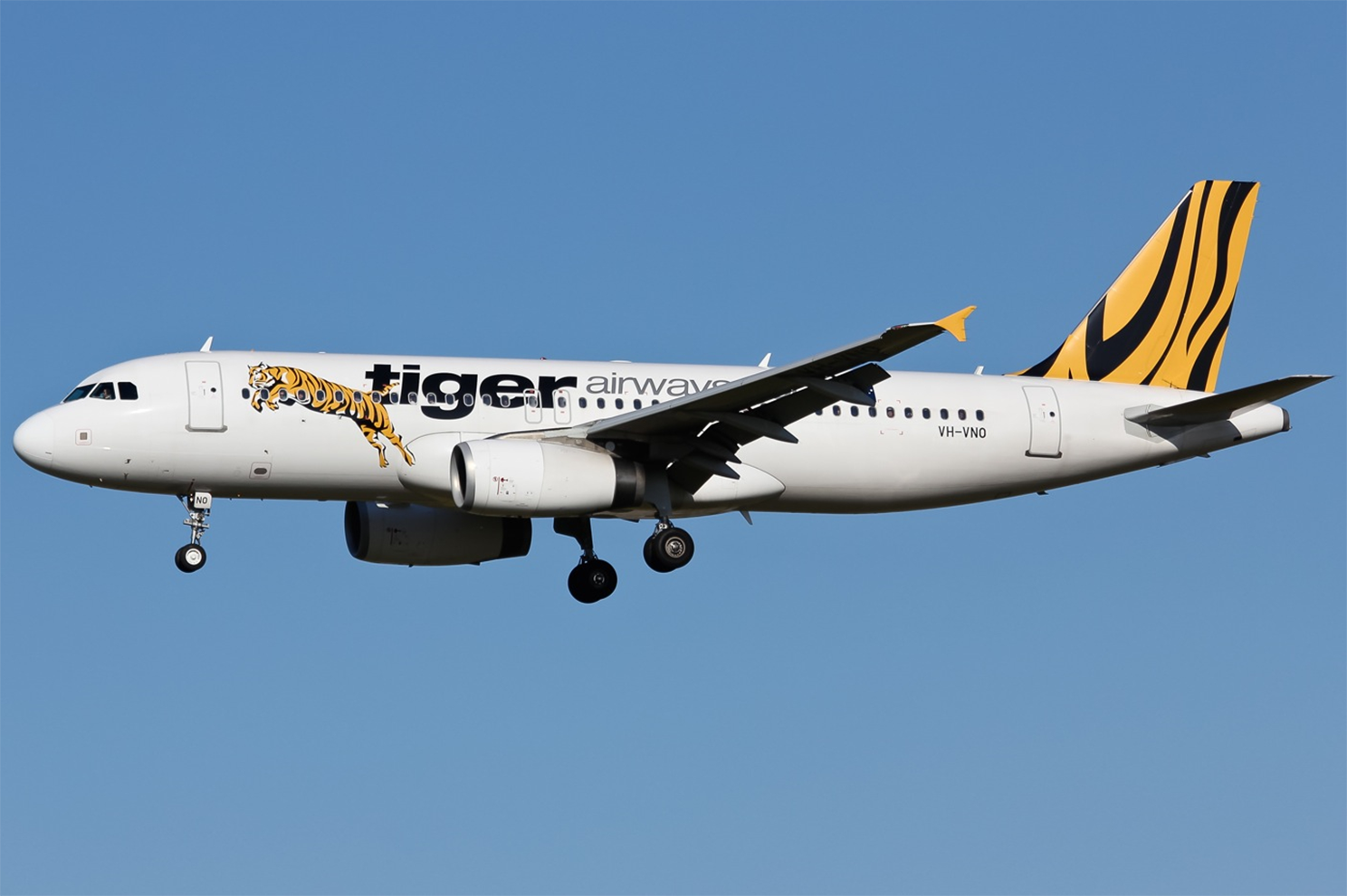
On 1 March 2016, at 0640 Eastern Standard Time, a Tiger Airways Airbus A320 aircraft, registered VH-VNO (Figure 1), departed Brisbane, Queensland, on a scheduled passenger service to Melbourne, Victoria. On board were the captain, the first officer, four cabin crew members, and 63 passengers.

Figure 1: Tiger Airways Airbus A320, VH-VNO

Figure 1: Tiger Airways Airbus A320, VH-VNO

Source: Victor Pody

At about 0900 Eastern Daylight-saving Time (EDT), when the aircraft was abeam Parkes, New South Wales, the cabin crew detected a strong odour in the rear of the cabin, and notified the captain. The cabin crew were unsure what the smell was, but they later described it as being like that of an extinguished cigarette. The odour dissipated soon after. About 10 minutes later, it returned and the cabin crew again advised the flight crew.

The cabin crew conducted their normal procedures in response to fumes in the cabin. This included filling bins with water to quench any possible fire, and checking lavatories, galley and the rear of the cabin in an attempt to find the source of the fumes. They also assessed whether there was any evidence of heat or fire.

As the cabin crew were unable to locate the source of the fumes or to find any heat source, the captain further asked them to check the overhead lockers and the floor above the cargo hold. They were still unable to find the source.

In accordance with standard operations with fewer than 115 passengers on board, the flight crew had the cabin air on the low flow setting. In the absence of smoke, they elected to set the airflow to high and see if that removed the odour from the aircraft. The fumes subsequently subsided.

At 0933 EDT, the aircraft was about 211 km north of Melbourne, at flight level 320.[1] The flight crew had been cleared by air traffic control (ATC) to commence their descent for Melbourne. At that time, the cabin manager advised the captain that the fumes had returned and the odour was very strong. They also advised that three cabin crew members were feeling unwell, and that one had vomited.

The captain and first officer then reviewed the situation. They assessed that due to the cabin crew becoming ill, and the source of the fumes still unknown, they would contact ATC, declare a PAN,[2] and request direct tracking to Melbourne. The crew also requested radar vectoring to reduce the workload required to reprogram the flight management system from the previously cleared route already entered into the system.

The cabin manager then advised the captain that the odour was still very strong. The captain recommended that all passengers be moved forwards away from the odour, which was at the rear of the cabin. The captain advised the cabin manager that they had declared an emergency and requested a direct track to Melbourne, and switched the seatbelt sign on.

The air traffic controller asked how many people were unwell and would require ambulance on arrival. The captain discussed with the cabin manager before responding that three cabin crew members and no passengers were unwell. The captain advised the passengers that fire vehicles and ambulance would be present for their arrival at Melbourne Airport.

During the approach, the captain advised ATC that they expected to conduct a normal landing and taxi clear of the runway via a high-speed taxiway. They would then stop and evaluate whether they would continue to taxi to the bay or whether an evacuation of the aircraft would be necessary.

To allow ease of access by emergency vehicles, the control of all runways had been handed from the tower controller to the surface movement controller. Aircraft movements were temporarily suspended, therefore no other aircraft were cleared to take-off or land at the airport. The aircraft landed at 0958 EDT.

The captain had directed the cabin manager to check the rear of the cabin after the aircraft taxied clear of the runway, and advise whether the odour was still there. The cabin manager reported that it was not. The captain then spoke to the commander of the aviation rescue and firefighting service, advised that they would continue to taxi to the bay, and requested that they follow the aircraft. The captain then requested a clearance from ATC to taxi to the bay. The captain also advised the passengers of the situation.

Once parked at the bay, the flight crew elected not to start the auxiliary power unit because they had been unable to determine the source of the fumes or to exclude any potential fire hazard. The captain advised the cabin crew and passengers that the cabin would go dark and the emergency lighting would come on. After shutting the engines down, the captain advised the fire commander that other than sick members of the cabin crew, everything was normal. The captain then left the cockpit to address the passengers, who disembarked normally. The fire crew did not find any source of fumes or fire, nor did a subsequent engineering inspection reveal the source.

Safety message

This incident demonstrates effective crew resource management techniques to deal with an abnormal and evolving situation.

In the event of smoke or fire, the emergency procedures are clear, time is of the essence, and a MAYDAY[3] call is required. In this incident, however, the seriousness of the situation, the source of the fumes, and the potential risk of the situation, was difficult to assess. The crew’s decision to declare a PAN enabled air traffic control to provide assistance, without the immediacy that would have been required in the case of smoke or fire. As the situation unfolded, the flight crew continued to assess their options based on the information available. They made contingency plans in case things escalated or worsened, such as identifying the nearest airport for an emergency landing if required.

The third time the cabin crew reported the odour, and also became unwell, the flight crew had commenced descent, and the workload was very high. The flight crew demonstrated effective decision making and prioritisation based on the information available and the situation at hand. Throughout the approach to Melbourne, the flight crew communicated with each other, the cabin crew, the passengers, and air traffic control, which kept all parties informed and allowed appropriate assistance to be given.

Aviation Short Investigations Bulletin - Issue 49

Purpose of safety investigations

The objective of a safety investigation is to enhance transport safety. This is done through:

  • identifying safety issues and facilitating safety action to address those issues
  • providing information about occurrences and their associated safety factors to facilitate learning within the transport industry.

It is not a function of the ATSB to apportion blame or provide a means for determining liability. At the same time, an investigation report must include factual material of sufficient weight to support the analysis and findings. At all times the ATSB endeavours to balance the use of material that could imply adverse comment with the need to properly explain what happened, and why, in a fair and unbiased manner. The ATSB does not investigate for the purpose of taking administrative, regulatory or criminal action.

Terminology

An explanation of terminology used in ATSB investigation reports is available here. This includes terms such as occurrence, contributing factor, other factor that increased risk, and safety issue.

Publishing information 

Released in accordance with section 25 of the Transport Safety Investigation Act 2003

Published by: Australian Transport Safety Bureau

© Commonwealth of Australia 2016

image_5.png

Ownership of intellectual property rights in this publication

Unless otherwise noted, copyright (and any other intellectual property rights, if any) in this report publication is owned by the Commonwealth of Australia.

Creative Commons licence

With the exception of the Coat of Arms, ATSB logo, and photos and graphics in which a third party holds copyright, this publication is licensed under a Creative Commons Attribution 3.0 Australia licence.

Creative Commons Attribution 3.0 Australia Licence is a standard form licence agreement that allows you to copy, distribute, transmit and adapt this publication provided that you attribute the work.

The ATSB’s preference is that you attribute this publication (and any material sourced from it) using the following wording: Source: Australian Transport Safety Bureau

Copyright in material obtained from other agencies, private individuals or organisations, belongs to those agencies, individuals or organisations. Where you wish to use their material, you will need to contact them directly.

__________

  1. At altitudes above 10,000 ft in Australia, an aircraft’s height above mean sea level is referred to as a flight level. Flight level 320 equates to 32,000 ft.
  2. An internationally recognised radio call announcing an urgency condition which concerns the safety of an aircraft or its occupants but where the flight crew does not require immediate assistance.
  3. Mayday is an internationally recognised radio call for urgent assistance.


Occurrence summary

Investigation number AO-2016-016
Occurrence date 01/03/2016
Location 211 km N of Melbourne Airport
State Victoria
Report release date 27/07/2016
Report status Final
Investigation level Short
Investigation type Occurrence Investigation
Investigation status Completed
Mode of transport Aviation
Aviation occurrence category Fumes
Occurrence class Incident
Highest injury level None

Aircraft details

Manufacturer Airbus
Model A320-232
Registration VH-VNO
Serial number 4053
Aircraft operator Tiger Airways Australia
Sector Jet
Operation type Air Transport High Capacity
Departure point Brisbane, Qld
Destination Melbourne, Vic.
Damage Nil

Electrical systems involving a Fokker B.V. F28 MK 4000, VH-EWD, Melbourne, Victoria, on 16 January 1993

Summary

Shortly after take-off the warning annunciator for the 26V AC bus supply illuminated followed by a strong electrical burning smell. Power was removed from the bus and the smell diminished. After a successful landing the investigation disclosed that a power supply diode had overheated and failed.

Occurrence summary

Investigation number 199300524
Occurrence date 16/01/1993
Location Melbourne
State Victoria
Report release date 26/05/1993
Report status Final
Investigation type Occurrence Investigation
Investigation status Completed
Mode of transport Aviation
Aviation occurrence category Electrical system, Fumes
Occurrence class Incident

Aircraft details

Manufacturer Fokker B.V.
Model F28 MK 4000
Registration VH-EWD
Sector Jet
Operation type Air Transport High Capacity
Departure point Melbourne VIC
Destination Launceston TAS
Damage Nil

Fumes involving a de Havilland Canada DHC-8-102, VH-TNU, Blackwater-Emerald, Queensland, on 10 February 1997

Summary

The pilot reported that on entering the aircraft during the preflight inspection he noticed a strong chemical odour. Discussion with the duty tarmac engineer confirmed the aircraft had been sprayed for pest control the previous night. During the flight to Emerald the pilot began feeling ill. During the turnaround at Emerald, he contacted company operations and said that he was feeling ill but was of the opinion that he was well enough to return to Brisbane. During the later stage of the flight from Blackwater to Brisbane, the copilot also started to feel ill and described the same symptoms that were affecting the pilot. Both pilots then used the crew oxygen system and began to feel better after about 10 minutes. On arrival Brisbane both pilots were unable to continue duty. Both pilots visited their medical examiners who were of the opinion that the pilots had been exposed to a poisonous substance.

Investigation revealed that the chemicals used to treat the aircraft were "Permakill" and "Permethrin". There are two separate treatments. One treatment is for disinsection, and the other treatment is a surface treatment for cockroaches. The treatments are not normally carried out simultaneously, however, on this occasion they were. There were no instructions that required the treatments to be conducted separately. The chemical constituents of both agents are Dichlorvos and Chlorpyrifos. Both these chemicals are potentially dangerous, and the company has been advised to discontinue the use of such treatments. The recommended procedure for aircraft disinsection is spraying with synthetic pyrethroids which are quite safe for human exposure. The company has opted for this procedure to prevent a recurrence.

Occurrence summary

Investigation number 199700423
Occurrence date 10/02/1997
Location Blackwater-Emerald
State Queensland
Report release date 25/03/1997
Report status Final
Investigation type Occurrence Investigation
Investigation status Completed
Mode of transport Aviation
Aviation occurrence category Fumes
Occurrence class Incident

Aircraft details

Manufacturer De Havilland Canada/De Havilland Aircraft of Canada
Model DHC-8-102
Registration VH-TNU
Sector Turboprop
Operation type Air Transport Low Capacity
Departure point Blackwater
Destination Emerald
Damage Nil

Fumes involving a Boeing 767-238ER, VH-EAL, 440 km north of Perth, Western Australia, on 6 May 1995

Summary

The pilot reported EICAS messages R Gen OFF, L Util Bus and R Util Bus.

Subsequently, acrid smoke entered the flight deck and cabin. Smoke removal procedures were effective.

The APU would not start at FL390, so the pilot informed ATC of the failed right generator and requested FL350 at 1633 WST. At 1638, the pilot advised ATC of smoke in the cabin, the second occurrence, and requested FL310 as the APU still would not start.

At 1649 the pilot advised ATC that the smoke had cleared and that operations were normal.

When power was reduced for the final descent, an EICAS message R Gen Drive came on. The right generator was then disconnected.

Following selection of flap 30 for landing, an unusual airframe judder was felt until touchdown.

The generator failure was traced to a lack of oil. No reason for the airframe judder could be determined.

Occurrence summary

Investigation number 199501370
Occurrence date 06/05/1995
Location 440 km north of Perth
State Western Australia
Report release date 17/08/1995
Report status Final
Investigation type Occurrence Investigation
Investigation status Completed
Mode of transport Aviation
Aviation occurrence category Fumes
Occurrence class Incident

Aircraft details

Manufacturer The Boeing Company
Model 767-238ER
Registration VH-EAL
Sector Jet
Operation type Air Transport High Capacity
Departure point Den Pasar Indonesia
Destination Perth WA
Damage Nil

Fumes event involving an Airbus A330, VH-XFB, near Perth Airport, Western Australia, 9 June 2014

Final report

On 9 June 2014, an Airbus A330, registered VH-XFB, took off from Perth, Western Australia, bound for Sydney, New South Wales. As engine power was applied at the commencement of take-off, cabin crew members at the rear of the cabin noticed a burning odour. The crew ultimately traced the source of the fumes to a vent in the rear cabin bulkhead. Some cabin crew members were adversely affected by the fumes and were unable to complete their normal in-flight duties.

Following the flight, engineering staff found that a portion of insulation blanket fitted to the rear pressure bulkhead of the aircraft had collapsed into contact with the Auxiliary Power Unit (APU) bleed air duct, where the duct passes through the rear pressure bulkhead. The blanket wrapping material was damaged and heat affected, exposing the inner glass wool material, which was also heat affected. The engineering investigation determined that the insulation blanket in contact with the bleed air duct was the likely source of the fumes, and that the blanket had not been correctly refitted following maintenance by a previous operator of the aircraft. The operator also found a similar problem on another company A330 aircraft.

As an interim measure, the operator prohibited use of the APU on both aircraft until the insulation blanket adjacent to the APU bleed air ducting was repaired and appropriately restrained in accordance with an Engineering Order. The Engineering Order also required a visual inspection of the rear pressure bulkhead structure immediately around the bleed air duct. The second part of the Engineering Order directed that the insulation blanked be replaced entirely, as a permanent repair. The aircraft manufacturer also made a number of recommendations in response to information supplied by the operator.

Fumes can originate from a wide range of sources. While some fumes may appear subtle and innocuous, they may be the first indication of a serious problem. This incident serves to highlight the importance of treating all fumes with suspicion, and implementing a cautious and conservative response, consistent with published guidance.

Aviation Short Investigations Bulletin - Issue 38

Occurrence summary

Investigation number AO-2014-105
Occurrence date 09/06/2014
Location near Perth Airport
State Western Australia
Report release date 27/01/2015
Report status Final
Investigation level Short
Investigation type Occurrence Investigation
Investigation status Completed
Mode of transport Aviation
Aviation occurrence category Fumes
Occurrence class Incident
Highest injury level Minor

Aircraft details

Manufacturer Airbus
Model A330-243
Registration VH-XFB
Serial number 0372
Sector Jet
Operation type Air Transport High Capacity
Departure point Perth, WA
Destination Sydney, NSW
Damage Nil

Engine fire involving a Beech BE36, VH-FFY, near Caloundra (ALA), Queensland, on 6 September 2013

Summary

On 6 September 2013, at about 1545 Eastern Standard Time, the pilot of a Beech A36 aircraft, registered VH‑FFY, taxied for a private flight from the Caloundra aeroplane landing area (ALA) to Archerfield, Queensland.

The pilot reported that, during the take-off run, all engine indications were normal. When at about 200 ft above ground level (AGL), the pilot detected a burning smell and observed smoke entering the cockpit from the pilot foot-well. The engine continued to produce power. At about 300 ft AGL, as the area was heavily forested, the pilot commenced a turn back to the runway for landing.

The pilot opened the left side storm window to draw the smoke out of the cockpit and reduced power. The engine then began to run rough. The pilot elected to conduct a forced landing and selected a suitable paddock. The pilot shut down the engine and prepared the aircraft for landing.

During the landing roll, the nose landing gear separated from the aircraft due to the uneven terrain and the propeller subsequently contacted the ground. One passenger sustained minor injuries.

After the accident, the exhaust tailpipe from the turbocharger assembly was found on the runway at Caloundra. An engineering inspection revealed that the tailpipe had separated at a weld joint.

As a result of this occurrence, the turbo-normalizing system manufacturer has advised the ATSB that the requirement to complete the circumferential weld will be highlighted in the installation instructions. The tailpipe supplied will also be clearly marked as supplied tack-welded, with additional instructions showing the requirement to perform the circumferential weld prior to flight. 

Aviation Short Investigation Bulletin - Issue 24

Occurrence summary

Investigation number AO-2013-147
Occurrence date 06/09/2013
Location near Caloundra (ALA)
State Queensland
Report release date 10/12/2013
Report status Final
Investigation level Short
Investigation type Occurrence Investigation
Investigation status Completed
Mode of transport Aviation
Aviation occurrence category Fumes
Occurrence class Accident
Highest injury level Minor

Aircraft details

Manufacturer Beech Aircraft Corp
Model 36
Registration VH-FFY
Serial number E1583
Sector Piston
Operation type Private
Departure point Caloundra, Qld
Damage Substantial

Fumes event - Boeing 737, VH-VBL, near Melbourne Airport, Victoria, on 17 April 2012

Summary

At 0749 Eastern Standard Time on 17 April 2012, a Boeing Company 737-7Q8 aircraft, registered VH-VBL (VBL), departed Melbourne, Victoria, on a scheduled passenger service to Sydney, New South Wales.

The captain reported a burning smell in the cockpit on takeoff that dissipated at the top of climb. Shortly afterwards, the cabin supervisor advised the PIC of a very unusual smell in the front and rear of the passenger cabin.

The cabin supervisor and one other cabin crew member reportedly suffered minor side effects from the fumes. Another cabin crew member was unable to continue with his duties. As there was an extra cabin crew member on the flight, the supervisor assessed that his inability to continue with his duties did not pose a risk to flight safety.

After landing and following a review of the maintenance log, a company engineer advised that the fumes may have been the result of a recent engine wash.

No passengers reported feeling unwell during or following the flight, though some passengers in the front of the cabin were coughing during the flight. The captain at no time felt unwell and the first officer did not smell anything unusual throughout the flight.

Two of the cabin crew members were later deemed by a doctor to be unfit for work. 

The incident highlights the potential for crew incapacitation from exposure to fumes and that clear and unambiguous communication between the flight and cabin crew should be maintained during any unusual event.

Aviation Short Investigation Bulletin - Issue 12

Occurrence summary

Investigation number AO-2012-060
Occurrence date 17/04/2012
Location near Melbourne Airport
State Victoria
Report release date 29/10/2012
Report status Final
Investigation level Short
Investigation type Occurrence Investigation
Investigation status Completed
Mode of transport Aviation
Aviation occurrence category Fumes
Occurrence class Incident
Highest injury level None

Aircraft details

Manufacturer The Boeing Company
Model 737
Registration VH-VBL
Serial number 30633
Aircraft operator Virgin
Sector Jet
Operation type Air Transport High Capacity
Departure point Melbourne, VIC
Destination Sydney, NSW
Damage Nil