Loss of control

Loss of control and collision with terrain involving a Cirrus SR20, at Tooradin Airport, Victoria, on 3 May 2019

Brief

Occurrence Briefs are concise reports that detail the facts surrounding a transport safety occurrence, as received in the initial notification and any follow-up enquiries. They provide an opportunity to share safety messages in the absence of an investigation.

What happened

On 3 May 2019, a Cirrus SR20 departed Moorabbin, Victoria (Vic.) with one pilot and two passengers on board. The pilot hired the aircraft from an operator for a private scenic flight that was planned to orbit Melbourne city before landing at Tooradin, Vic. During the initial stages of landing, the pilot observed the aircraft to be slightly high before it sank heavily onto the runway and bounced. After the second bounce, the pilot applied full power and retracted the flaps to conduct a go-around.

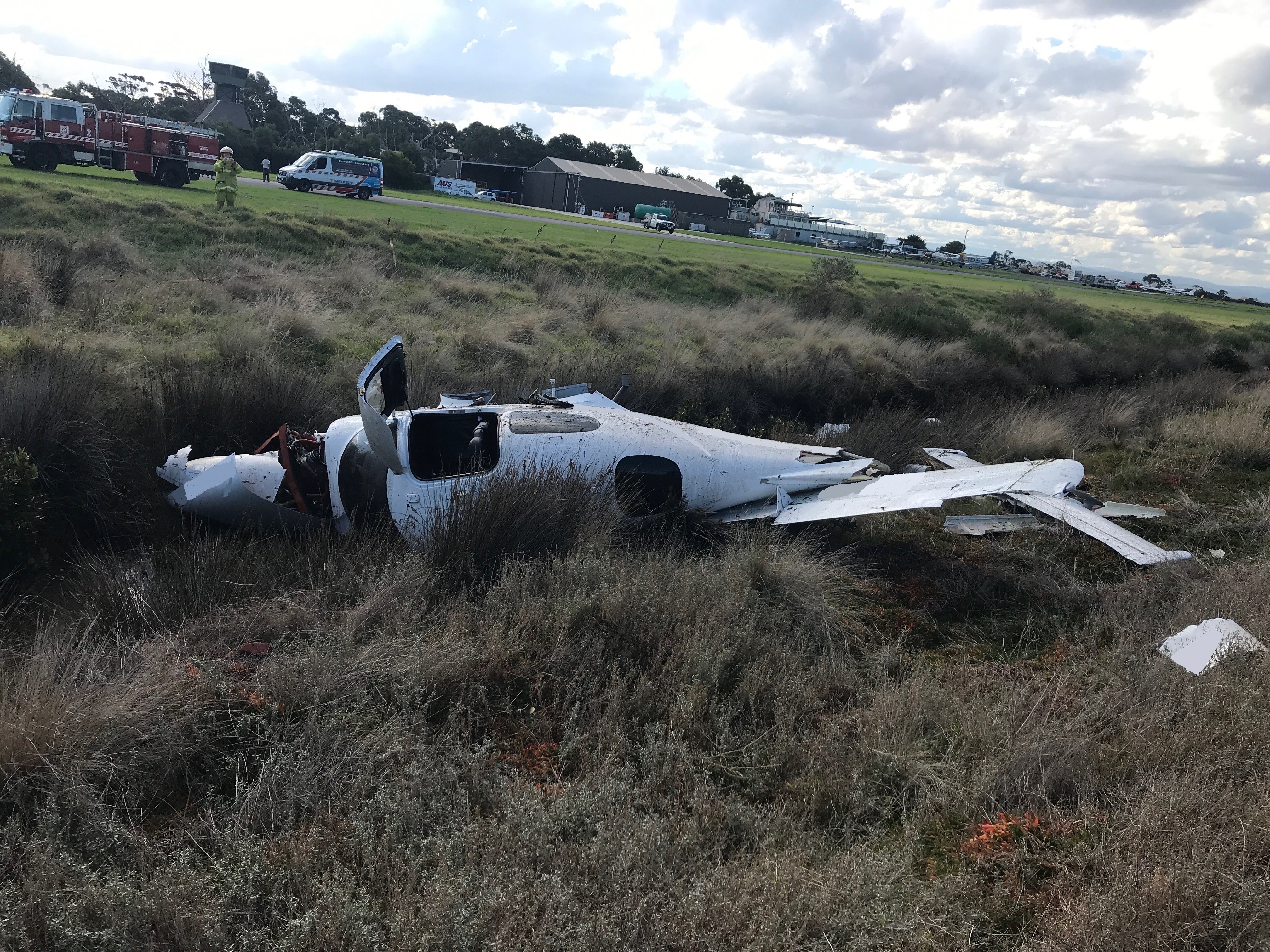
The aircraft yawed to the left and the pilot observed the indicated airspeed to be at 65 kt. The pilot received a stall warning annunciation and assessed that the aircraft had become airborne, and she therefore elected to pitch the nose of the aircraft down to land on the remaining runway. However, the aircraft rolled abruptly to the left and the wing struck the ground. The aircraft then collided with a drainage ditch to the left of the runway and was subsequently destroyed (Figure 1). The pilot and passengers exited without injury.

Operator’s investigation

The operator retrieved and reviewed the data from this private-hire flight and confirmed from the position of the flap transmission worm drive that, during the go-around procedure when full power was applied, the flaps were fully retracted. The pilot operating handbook recommends 50 per cent and indicates approximately 10 kt increase in stall speed from flaps 100 to zero per cent.

The data revealed that upon application of full power, a change of track of 15 degrees to the left of the runway resulting in the aircraft exiting the runway onto soft ground. The aircraft continued to diverge from the runway until it contacted the drainage ditch where it came to rest. The main landing gear tyre tracks were evident in the grass from the runway edge to the accident site, therefore confirming that contrary to the pilot’s recollection of events, the aircraft did not become airborne following execution of the go-around.

The operator advised that upon reviewing the data, it became apparent that during final approach, the pilot was pitching to control airspeed. The pilot reported that she used both power and elevator to land the aircraft.

Figure 1: Aircraft damage

Figure 1: Aircraft damage. Source: Operator

Source: Operator

Safety action

As a result of this occurrence, the aircraft operator has advised the ATSB that they are taking safety actions, including:

  • teaching pilots the correct go-around technique in this aircraft type from a low airspeed situation, such as after a significant bounce or a series of bounces, which requires right rudder pressure to counteract torque roll and p-factor[1]
  • highlighting this situation to pilots during conversion training, in line with recommendations from the manufacturer.

About this report

Decisions regarding whether to conduct an investigation, and the scope of an investigation, are based on many factors, including the level of safety benefit likely to be obtained from an investigation. For this occurrence, no investigation has been conducted and the ATSB did not verify the accuracy of the information. A brief description has been written using information supplied in the notification and any follow-up information in order to produce a short summary report, and allow for greater industry awareness of potential safety issues and possible safety actions.

______

  1. P-factor, also known as asymmetric blade effect and asymmetric disc effect, is an aerodynamic phenomenon experienced by a moving propeller that is responsible for the asymmetrical relocation of the propeller’s centre of thrust when an aircraft is at a high angle of attack.

Occurrence summary

Mode of transport Aviation
Occurrence ID AB-2019-016
Occurrence date 03/05/2019
Location Tooradin Airport
State Victoria
Occurrence class Accident
Aviation occurrence category Loss of control
Highest injury level None
Brief release date 26/07/2019

Aircraft details

Manufacturer Cirrus Design Corporation
Model SR20
Sector Piston
Operation type Private
Departure point Moorabbin, Victoria
Destination Tooradin, Victoria
Damage Destroyed

Loss of control involving VAN’S RV-6A, Lakeland Downs, Queensland, on 5 January 2019

Brief

Occurrence Briefs are concise reports that detail the facts surrounding a transport safety occurrence, as received in the initial notification and any follow-up enquiries. They provide an opportunity to share safety messages in the absence of an investigation.

What happened

On 5 January 2019 at approximately 1045 Eastern Standard Time, the pilot of an amateur built aircraft VAN’S RV-6A took off from an unsealed runway at Lakeland Downs airstrip, Queensland for a private flight with one passenger on board.

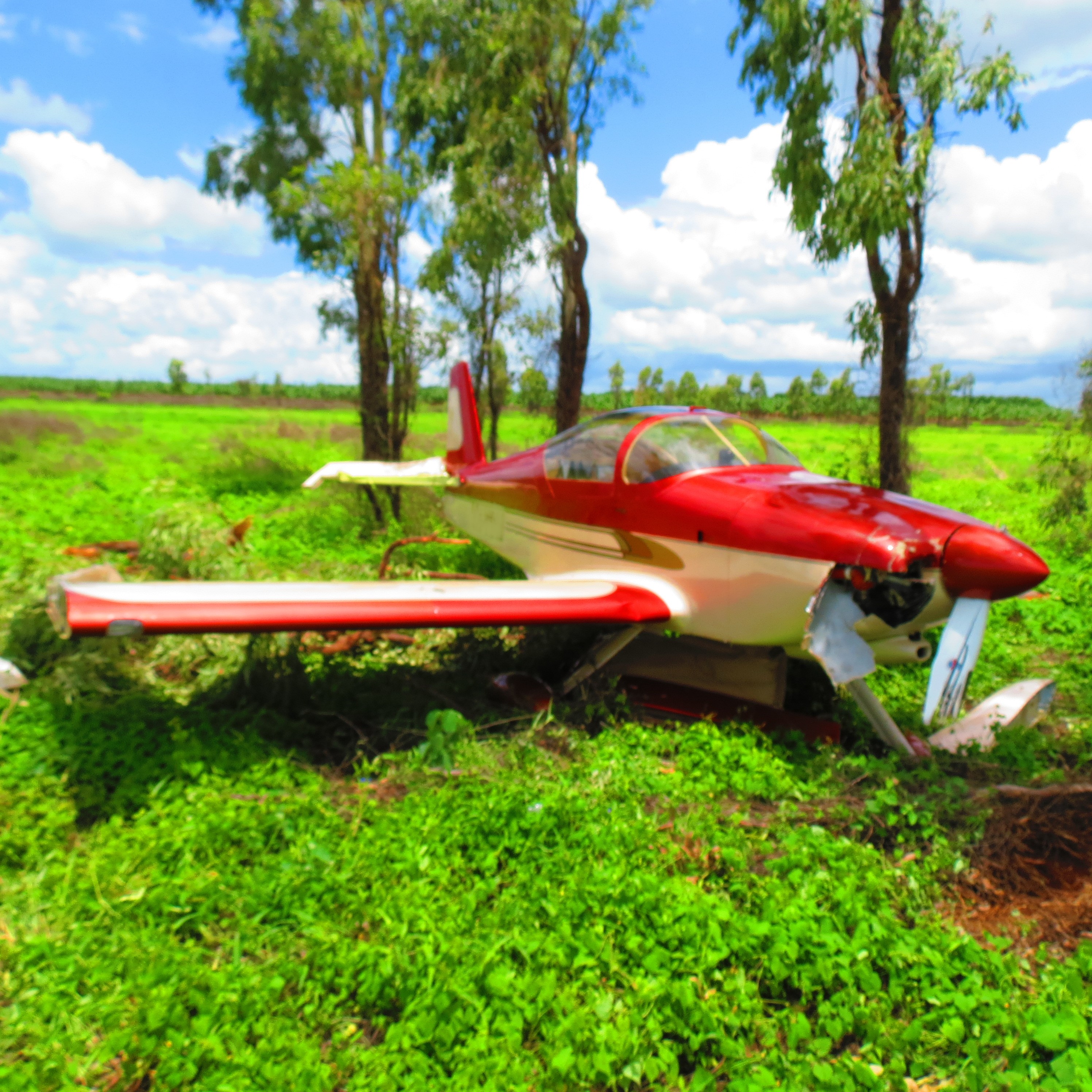
During the take-off run[1], at approximately 250 m down the runway, the aircraft began to deviate to the right uncommanded. The pilot then conducted a rejected take-off and lost directional control resulting in the aircraft veering off the runway and colliding with a tree. The aircraft subsequently sustained substantial damage.

Pilot comments

The pilot advised that there had recently been a lot of rain in the area and the airstrip was mainly clay with overgrown grass. Upon landing at the airstrip, he had noticed that the runway had a rough surface, and during take-off he had tried to follow the same track.

After the accident, the pilot walked back along the tracks the aircraft had taken and found a large rock buried in the runway that the landing gear had struck.

Figure 1: Damage sustained to aircraft

Figure 1: Damage sustained to aircraft. Source: Qld Police

Source: Qld Police

Safety message

This accident highlights the importance of identification and management of any risks that might be associated with an unsealed runway. Potential hazards may be hard to identify, with objects possibly obscured by vegetation. Changes in the runway surface can be hard to detect visually and without a vehicle or some means to apply a similar force to that of a landing aircraft.

Further information on being prepared when operating on remote airstrips can be found on the CASA website, Bush strips.

About this report

Decisions regarding whether to conduct an investigation, and the scope of an investigation, are based on many factors, including the level of safety benefit likely to be obtained from an investigation. For this occurrence, no investigation has been conducted and the ATSB did not verify the accuracy of the information. A brief description has been written using information supplied in the notification and any follow-up information in order to produce a short summary report, and allow for greater industry awareness of potential safety issues and possible safety actions.

__________

  1. Take-off run: Take-off run (ground run) is the portion of the take-off procedure during which the airplane is accelerated from a standstill to an airspeed that provides sufficient lift for it to become airborne.

Occurrence summary

Mode of transport Aviation
Occurrence ID AB-2019-001
Occurrence date 05/01/2019
Location Lakeland Downs
State Queensland
Occurrence class Accident
Aviation occurrence category Loss of control
Highest injury level Minor
Brief release date 30/04/2019

Aircraft details

Manufacturer Amateur Built Aircraft
Model VAN’S RV-6A
Sector Piston
Operation type Private
Departure point Lakeland Downs, Queensland
Damage Substantial