

Flying training schools are urged to consider how their training practices and safety frameworks address the factors common to accidents and incidents in their sector, as detailed by an ATSB data study.
The data report, released today, presents an analysis of the more than 5,000 instructional flying occurrences reported to the ATSB between 2015 and 2024, as published in the Aviation Occurrence Database.
Director of Transport Safety Dr Stuart Godley said the study was designed to help flying training organisations, and other relevant operators, understand the most frequently occurring types of accidents and incidents, and the factors most associated with them.
“Every pilot takes part in instructional flying at some stage, and the activity underpins the entire aviation sector,” Dr Godley said.
“It is therefore important for operators to maintain a robust safety management framework, and routinely consider how their training practices are mitigating risks – and part of that is understanding the common factors in safety occurrences.”
Positively, the ATSB’s study found a downward trend in accident rates for VH-registered aircraft over the decade.
It also noted instructional flying in VH-registered aircraft had a lower accident rate than most other general aviation activities.
“Perhaps unsurprisingly, the greatest accident risk in the sector was aircraft control issues – particularly hard landings and loss of control events,” Dr Godley said. “Over half of these accidents occurred during the landing phase of flight.”
Elsewhere, the analysis noted aircraft separation issues, including near collisions, were the leading factor in serious incidents (that is, where an accident almost occurred).
Dr Godley noted such separation events typically occurred in uncontrolled airspace, and were commonly associated with failures in monitoring and checking, ineffective communication and coordination, inadequate task experience or recency, and increased workload or distractions.
“These results reinforce the importance of maintaining effective lookout, and actively managing separation during instructional flying,” he said.
The study also considered how occurrence rates differed between aircraft types.
Helicopters recorded almost 3 times the rate of accident, double the rate of fatal accidents, and higher rates of serious incidents than aeroplanes for instructional flying.
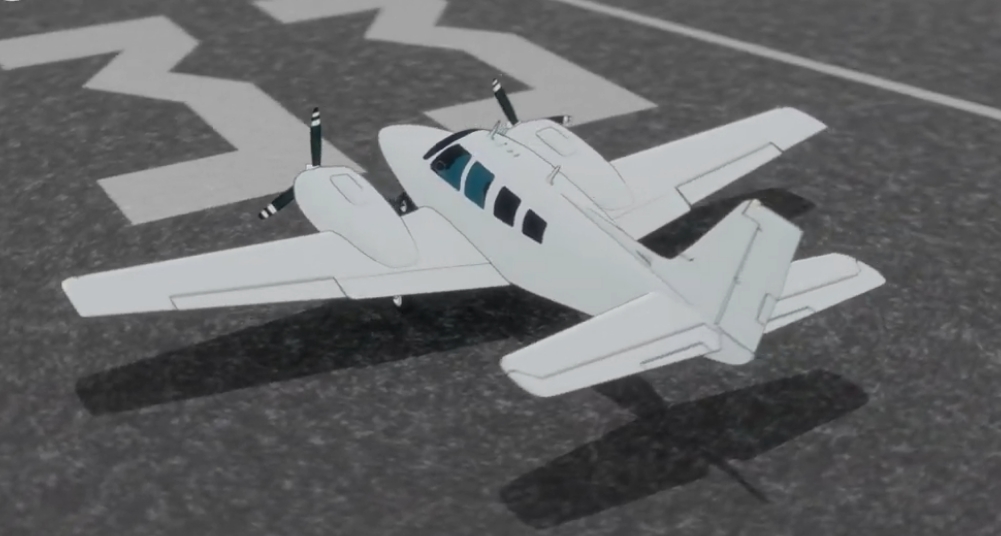
Meanwhile, multi-engined aeroplanes presented a 5 times higher fatal accident rate than single-engined aeroplanes for instructional flying.
“These differences are likely related to training activities and aircraft complexity,” Dr Godley noted.
“Overall, the analyses presented in the report highlight common occurrence factors in the instructional flying sector, as well as some variance depending on activity subtype, aircraft type, and the number of aircraft engines,” he concluded.
“We encourage all operators involved in instructional flying to review this report, maintain awareness of the relevant risks, and apply targeted safety strategies to address them.”
Read the data report: Instructional flying occurrences 2015–2024